
Rights Chief Warns ‘Abominable Atrocities’ Likely Continuing in Sudan’s El Fasher

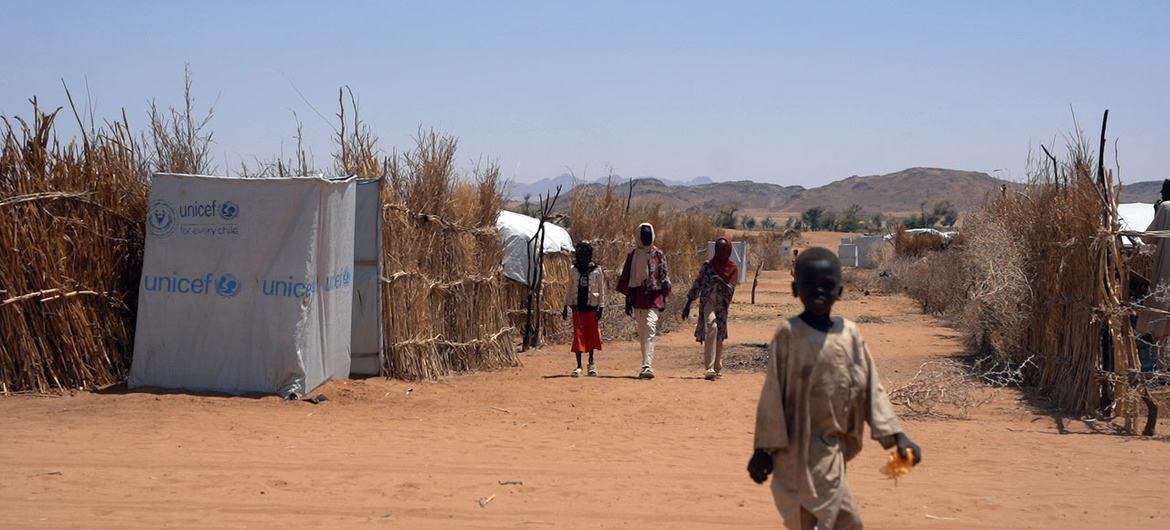
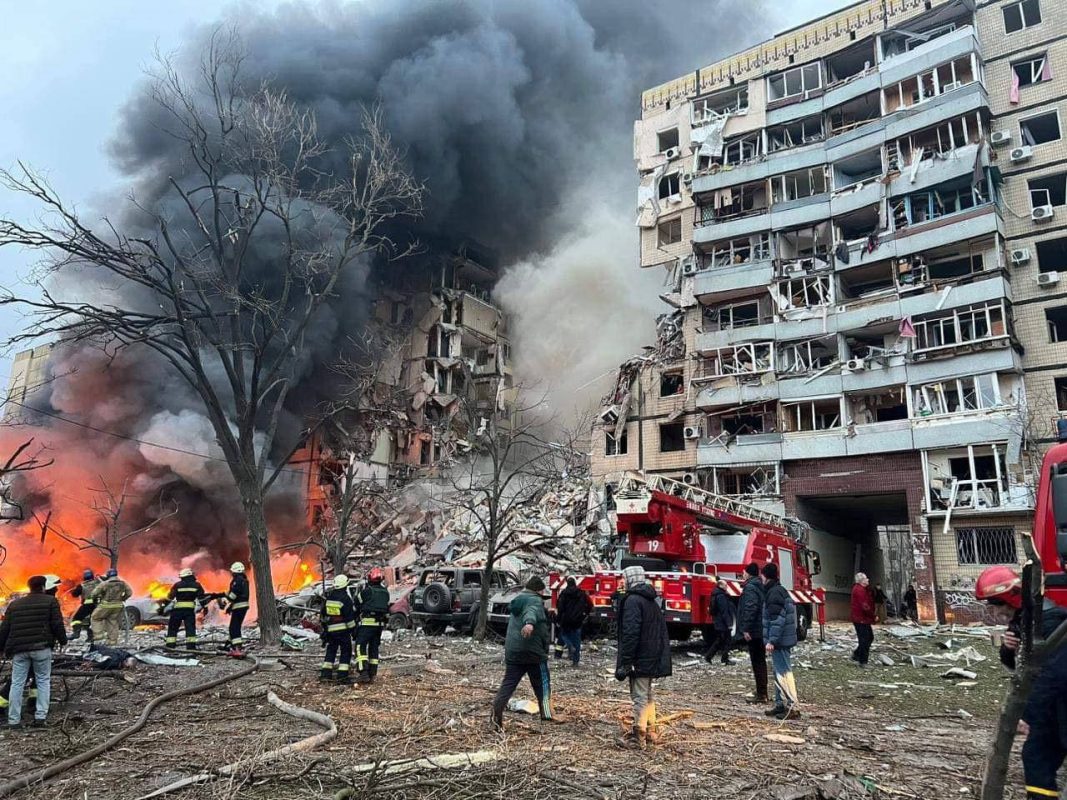
The UN’s top human rights official, Volker Türk, has issued a stark warning that civilians trapped inside Sudan’s El Fasher may still be facing atrocities, despite reports that international mediators have helped broker a ceasefire proposal.

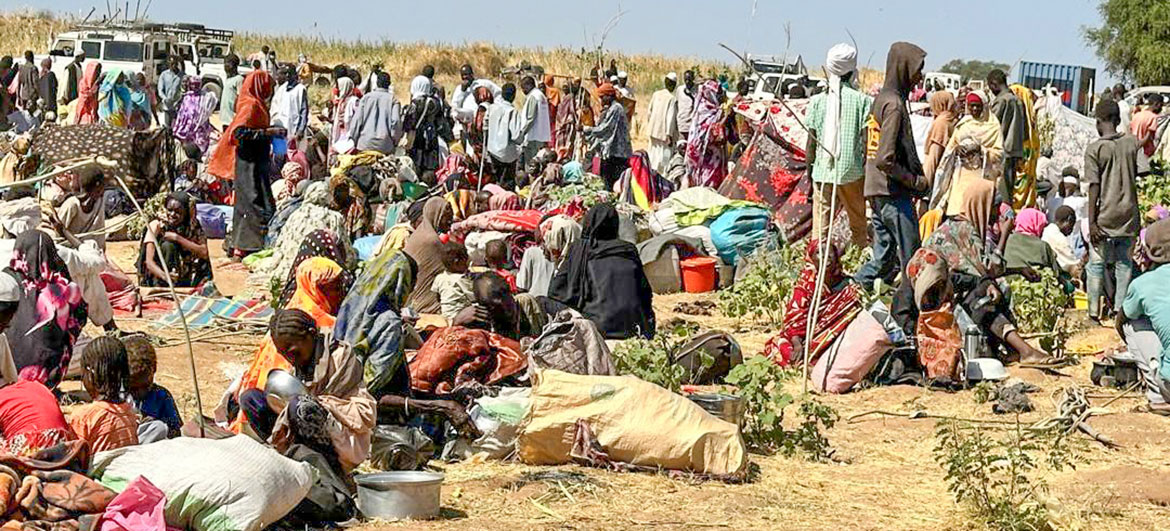
In a statement released Friday, the High Commissioner said that traumatised civilians are being prevented from leaving the city, raising fears that summary executions, rape, and ethnically motivated attacks continue inside El Fasher.

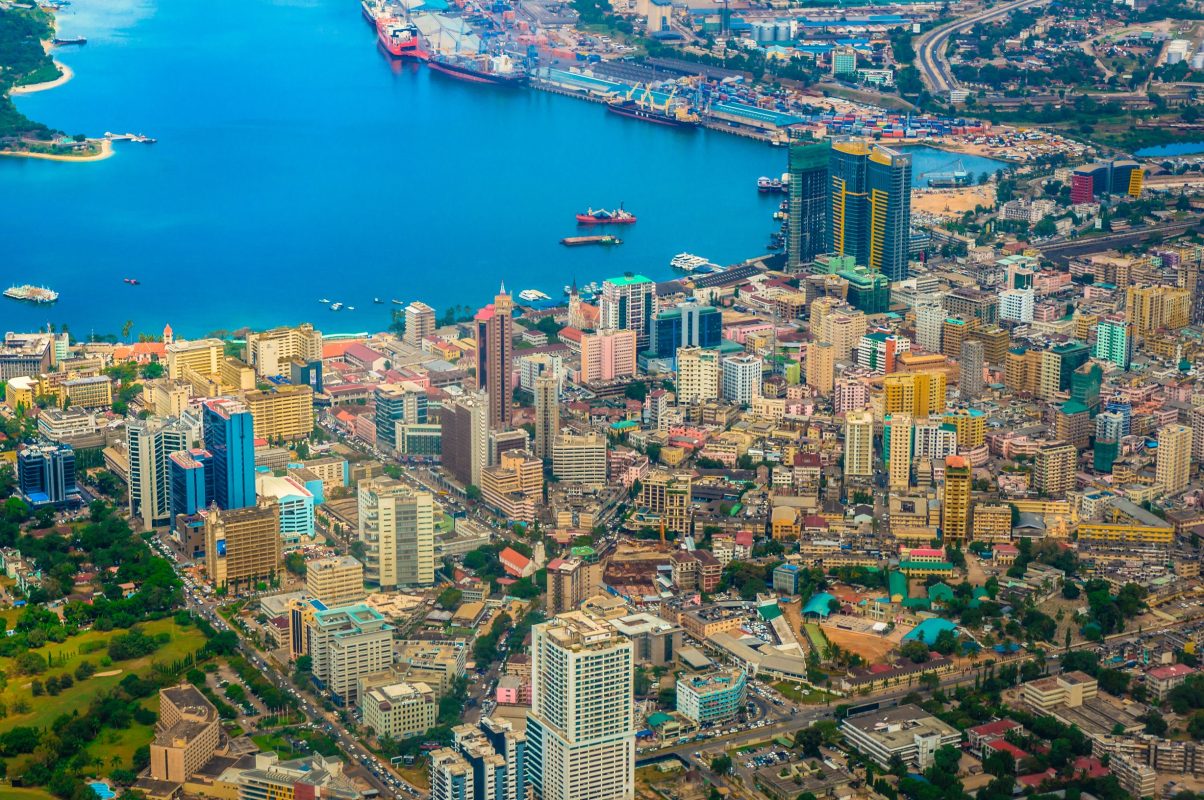
El Fasher, once the last major stronghold of Sudan’s military government in Darfur, fell to the Rapid Support Forces (RSF) militia on 23 October 2025, intensifying a conflict already marked by massive displacement, civilian targeting, and violations of international law.

Atrocities reported inside and outside the city

Türk emphasized that even those who managed to escape the city are encountering “unimaginable cruelty” along the exit routes, which have become hotspots for violence and abuse.

He said that civilian deaths, destruction, and widespread displacement have risen sharply since the RSF takeover. Developments on the ground, he warned, suggest “clear preparations for intensified hostilities,” putting already-suffering civilians at further risk.

Possible war crimes and crimes against humanity

UN Special Adviser on the Prevention of Genocide, Chaloka Beyani, told UN News that credible allegations point to:

  • Massive violations of human rights law
  • Direct attacks on civilians
  • Serious breaches of international humanitarian law

On Friday, UN independent experts said they were “appalled” by reliable reports of ethnically targeted summary executions, along with “sadistic levels” of sexual violence in and around El Fasher.
They stressed that these acts constitute war crimes and may amount to crimes against humanity, calling for urgent, independent investigations.

Ceasefire talks overshadowed by renewed attacks

Media reports say the RSF agreed on Thursday to a ceasefire proposal backed by the United States and Arab countries.
However, Sudan’s national army has not endorsed the deal, and explosions were still being reported around government-held areas of Khartoum.

Arms embargo and urgent international action

Türk reiterated that the UN Security Council’s arms embargo is clear, stating that all military support enabling parties to commit violations must stop immediately.

He called for:

  • An immediate end to violence in Darfur and Kordofan
  • Bold and urgent international action
  • Full accountability for perpetrators

The UN Human Rights Council is scheduled to hold a special session on 14 November to address the situation in and around El Fasher.

Qatar | Press Statement

November 4, 2025

Brussels for Human Rights & Development (BHRD) Affirms the Inseparable Link Between Social Development and Human Rights at the Second World Summit for Social Development in Doha

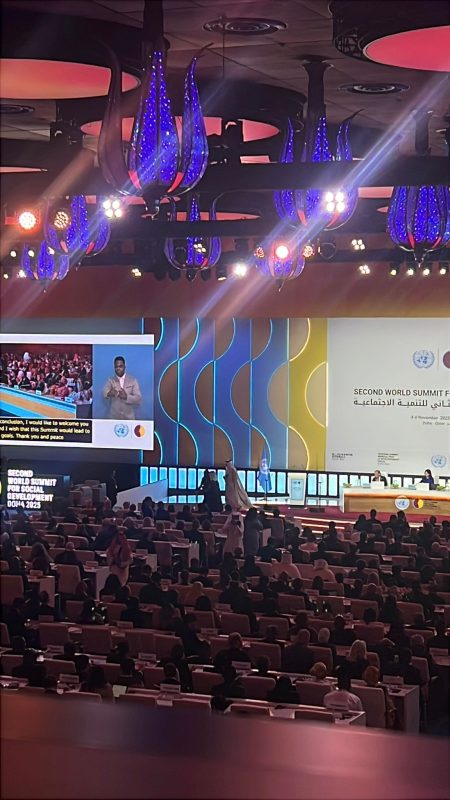
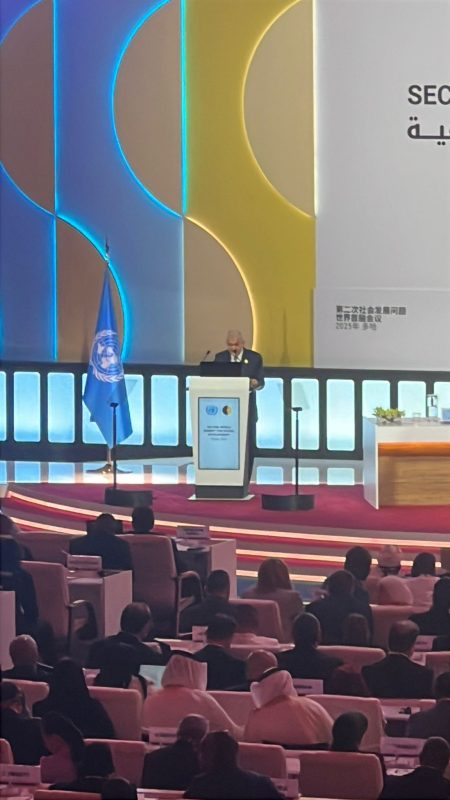
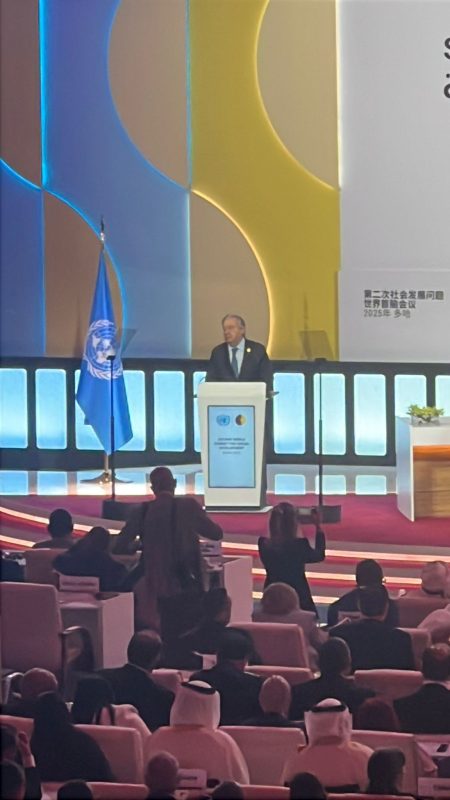
A delegation from Brussels for Human Rights & Development (BHRD)Belgium – participated in the Second World Summit for Social Development – Doha 2025, organized by the United Nations General Assembly and hosted by the State of Qatar.

BHRD emphasized the vital importance of this summit, underscoring that social development is not merely an economic or political objective, but a fundamental pillar of universal and indivisible human rights.


The Importance of Social Development and Human Rights

Comprehensive social development is the path to ensuring human dignity, while combating poverty, hunger, and displacement constitutes a set of basic rights requiring urgent international action.
The right to decent work and the right to a healthy environment are integral components of the fundamental rights every person should enjoy.
Failing to achieve social development is, in essence, a failure to uphold human dignity and protect human rights.


Promoting Cooperation and Strategic Partnerships

The summit comes within the framework of BHRD’s ongoing efforts to build bridges of cooperation and strengthen strategic partnerships with governmental and non-governmental human rights organizations.
The organization stressed that joint efforts and the exchange of expertise remain the most effective means to confront today’s complex humanitarian challenges.


Recognition of UN Leaders’ Participation

The summit witnessed high-level international participation, including:

  • H.E. Annalena Baerbock, President of the 80th Session of the UN General Assembly.
  • H.E. António Guterres, Secretary-General of the United Nations.
  • H.E. Lok Bahadur Thapa, President of the UN Economic and Social Council.

BHRD praised the commitment and vision of global leaders who reaffirmed that social justice and inclusivity are central to sustainable peace and development.


Appreciation to the State of Qatar and a Call for Global Justice

Brussels for Human Rights & Development – Belgium extends its sincere gratitude and appreciation to His Highness Sheikh Tamim bin Hamad Al Thani, Amir of the State of Qatar, for graciously hosting and excellently organizing this world summit, which provided a platform to advance dialogue on social development and global equity.


Qatar’s Address and Human Rights Issues

BHRD commended the powerful message delivered by His Highness the Amir, in which he reaffirmed Qatar’s unwavering support for Palestine and Gaza, describing this stance as a fundamental commitment to the principles of justice and human rights.

The organization also noted His Highness’s strong condemnation of the deteriorating humanitarian situation in Sudan, particularly in El-Fasher, and his urgent appeal to the international community to take immediate action to stop violations and protect civilians.


Brussels for Human Rights & Development (BHRD) reiterates that human rights are universal and indivisible, and that peace and stability cannot be achieved without comprehensive social justice that safeguards human dignity and equality for all.

Brussels for Human Rights & Development – BHRD, Belgium
November 4, 2025

Global Trade, Debt, and Investment Challenges Take Center Stage Amid Economic Uncertainty

Date: 13 October 2025
Category: Economic Development


The world’s poorest and most vulnerable communities are facing mounting pressure from trade instability, heavy debt burdens, and declining investment, according to a new warning from the UN Conference on Trade and Development (UNCTAD).

The statement comes ahead of UNCTAD 16, the organization’s largest ministerial meeting in four years, which will take place from 20–24 October 2025 in Geneva. The high-level event will bring together ministers, economists, and industry leaders to explore concrete strategies to restore global economic stability, relieve debt distress, and redirect investment toward real human and sustainable development.

“We are witnessing a transformational shift in multilateral trade,” said Rebeca Grynspan, UNCTAD’s Secretary-General. “Decisions made during UNCTAD 16 will influence the direction of trade and development policy for years to come.”


Restoring Predictability in Global Trade

Ms. Grynspan cautioned that policy uncertainty and rapid shifts in trade rules can be even more disruptive than tariffs — discouraging investment, eroding competitiveness, and eliminating jobs in developing economies.

Despite the geopolitical turbulence, she noted a degree of resilience in early 2025:

  • Global trade grew by approximately $500 billion in the first half of the year.
  • Goods trade increased by 5%, services by 6%, and South–South trade (excluding China) by 9%.

However, she warned that confidence must be restored if smaller economies are to plan and invest effectively in the years ahead.


The Escalating Debt Crisis

The financial outlook remains deeply concerning.

“Around 3.4 billion people live in countries that spend more on servicing their debt than on health and education,” Ms. Grynspan said.

She called for the creation of a fairer and more predictable financial system, highlighting several initiatives under discussion, including:

  • Establishing a Borrowers’ Club to enhance the negotiating power of developing countries.
  • Expanding access to affordable, long-term capital to support sustainable growth.
  • Building on outcomes from the Financing for Development Conference held in July.

Rethinking Investment Priorities

Ms. Grynspan also warned that foreign direct investment (FDI) in developing nations is not only declining but remains overly concentrated in a few traditional industries and regions.

“The goal is not just to attract investment, but to attract the right kind of investment,” she emphasized.

That means prioritizing sectors that create long-term social and environmental value, including:

  • Sustainable infrastructure and renewable energy
  • Healthcare, education, and clean water access
  • Agriculture, food security, and digital transformation

She also pointed out that digital trade and data flows now underpin over 60% of global GDP growth, but warned that excessive market concentration in cloud computing and AI threatens to exclude developing nations unless inclusivity becomes a policy priority.


UNCTAD 16: A Defining Moment for Global Cooperation

The Geneva conference will host around 100 countries, including 60 ministers and 40 vice-ministers, with 1,700 participants expected. Discussions will focus on trade, finance for development, investment flows, supply chains, and the role of emerging technologies — including AI — in building a more inclusive global economy.

The UN Secretary-General is also expected to deliver a special address during the conference.

“Trade, finance, investment, and technology are the four pillars of development,” Ms. Grynspan said. “We must address them together to ensure the global economy works for everyone — especially for those who are most vulnerable.”

UN Decries Deadly Myanmar Airstrike Amid Rising Military Attacks on Civilians

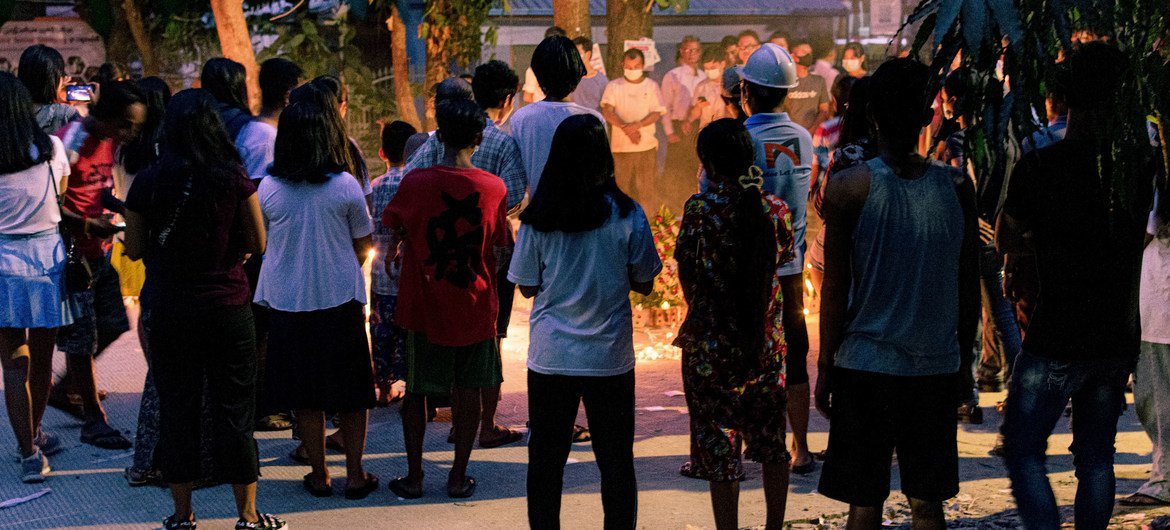
The United Nations has condemned a deadly airstrike in Myanmar’s Sagaing Region that killed dozens of civilians, including children, calling it part of a “disturbing pattern” of indiscriminate military attacks on non-combatants.

According to reports, at least 24 people were killed and over 45 injured on Monday when explosives were dropped on civilians attending a religious festival in Chaung-U township. Witnesses said a motorized paraglider was used to drop two bombs on the crowd gathered to celebrate a national holiday.

“The indiscriminate use of airborne munitions is unacceptable,” said UN Spokesperson Stéphane Dujarric, speaking to journalists in New York. “All parties to the conflict must comply with their obligations under international humanitarian and human rights law.”


A Disturbing Escalation

The attack marks yet another violent episode in the conflict that erupted after the February 2021 military coup, which ousted Myanmar’s elected government and detained key leaders, including President Win Myint and State Counsellor Aung San Suu Kyi.

Sagaing, one of the regions hardest hit by the fighting, is also still reeling from the 7.7-magnitude earthquake that struck earlier this year, compounding already dire humanitarian conditions.

According to the UN Human Rights Office (OHCHR), Sagaing has recorded the highest number of airstrikes and civilian deaths in the country. Between 28 March and 31 May 2025, at least 108 airstrikes were reported there, killing 89 civilians.


Air Power Intensifies Despite Ceasefire Claims

OHCHR reports that Myanmar’s military has increasingly turned to air power and paramotor tactics, capable of carrying 120mm mortar rounds, to strike civilian-inhabited and earthquake-affected areas.

This escalation has continued despite declared temporary ceasefires in April and May, which the military said were intended to facilitate post-earthquake rescue operations.

The UN says these tactics represent a clear disregard for international law and contribute to what it describes as a pattern of deliberate targeting of civilians.


Documented Atrocities and War Crime Concerns

The UN rights office’s September report recorded:

  • 6,764 civilian deaths since the 2021 coup,
  • Over 29,000 political arrests, and
  • Nearly half of all verified civilian deaths (April 2024 – May 2025) caused by airstrikes.

The report documents deliberate attacks on schools, markets, homes, places of worship, and displacement camps.

“Atrocities such as extrajudicial killings, mutilation, and widespread destruction of property have been documented,” OHCHR said. “The use of airstrikes with no discernible military objective raises serious concerns of war crimes.”


A Humanitarian Crisis Deepening

With hundreds of thousands displaced and humanitarian access severely restricted, the UN continues to call for unhindered access to affected populations and international accountability for grave violations.

The situation in Myanmar, particularly in Sagaing, Mandalay, and Shan, remains one of the world’s most urgent humanitarian and human rights crises — where civilians continue to bear the brunt of an intensifying conflict.

In Landmark Labour Case, UN World Court Weighs in on Right to Strike

Date: 6 October 2025


The International Court of Justice (ICJ) opened historic hearings on Monday to determine whether the right to strike is protected under international law — marking the first time the UN’s highest judicial body has been asked to interpret the balance between workers’ rights and employers’ interests.

The case originates from a 2023 request by the International Labour Organization (ILO) Governing Body, seeking an advisory opinion on whether the Freedom of Association and Protection of the Right to Organise Convention, 1948 (No. 87) — a core treaty of international labour law — implicitly includes the right to strike.

Adopted in the wake of World War II, Convention No. 87 guarantees workers and employers the right to form and join organizations of their choice. While it does not explicitly reference strikes, labour advocates have long argued that the right to strike is an essential extension of freedom of association.


ICJ Opens Hearings

Presiding over the session, ICJ President Yūji Iwasawa formally read the question before the Court, emphasizing the ILO’s unique tripartite structure composed of representatives of governments, employers, and workers.

“The participation of organizations of employers and workers is without precedent in the history of this Court,” said Tomi Kohiyama, ILO Legal Adviser, who highlighted the rarity of the ILO’s appearance before the ICJ — the last being in 1932.

The ILO secretariat itself is not taking a position, but will assist the Court in clarifying interpretative principles under the Vienna Convention on the Law of Treaties.


Labour and Employer Perspectives

Paapa Danquah, representing the International Trade Union Confederation (ITUC), told the judges that the right to strike has been a fundamental tool for advancing justice:

“Strike action has been our vital tool to improve labour conditions and defend human dignity,” he said.

Danquah argued that the right to strike is “inherent to freedom of association” and must therefore be recognized as part of the protections enshrined in Convention No. 87.

On the other hand, Roberto Suárez Santos of the International Organisation of Employers (IOE) took a contrasting position. While acknowledging the legitimacy of strikes in principle, he argued that Convention No. 87 neither explicitly nor implicitly enshrines such a right.

He cautioned against judicial overreach:

“Reading a right to strike into the Convention would create prescriptive obligations and disrupt national labour frameworks that have evolved through consensus.”

Suárez Santos urged that any such recognition should arise from tripartite consensus within the ILO, not through unilateral judicial interpretation.


Global Implications

Over three days of hearings, 21 countries and organizations are scheduled to present oral arguments, with 31 written submissions already filed — underscoring the case’s significance for governments, unions, and employers worldwide.

The ICJ’s advisory opinion, expected within months, will not be legally binding. However, experts say it could reshape international labour law, influencing courts, legislatures, and collective bargaining practices around the world.


A Rare Moment in Labour History

This is only the second time in history that the ILO has turned to the World Court for a formal legal interpretation. The outcome could clarify decades of dispute over whether the right to strike forms part of freedom of association — a question that has divided the ILO’s tripartite bodies since 2012, when employer representatives first challenged the interpretation.

As labour unions continue to advocate for recognition of the strike as a human right, and employers call for greater regulatory clarity, the ICJ’s deliberation may define how international law reconciles these competing claims.

Global Human Rights Advocates Called to Unite Against Racism and Injustice

The global fight against anti-Black racism and systemic inequality remains a critical challenge in the 21st century, according to the latest annual report from the United Nations Permanent Forum on People of African Descent.

Speaking at the Human Rights Council in Geneva, the Forum’s chairperson emphasized that the “colour line” — the racial divide that fuels discrimination, segregation, and social inequality — continues to shape the lives of millions across the world.

“We are still seeing deep-rooted hierarchies that deny Black communities equal opportunities and dignity,” the Forum reported. “It’s time for human rights movements to come together more strongly than ever before.”


A Decade of Change and Opportunity

This year marks the beginning of the Second International Decade for People of African Descent, a global initiative that aims to accelerate progress in three key areas:

  • Recognition of systemic racism and the contributions of people of African descent.
  • Justice, particularly in addressing historical and ongoing discrimination.
  • Development, by ensuring inclusive participation in social and economic frameworks.

The Forum is calling for concrete reparatory justice measures, including public acknowledgement of past injustices, legal restitution, and full integration of African-descended populations in decision-making processes.


Digital and Climate Justice Now

As the world advances technologically, the Forum warns that digital systems and artificial intelligence risk replicating and amplifying historical inequities. It has urged global institutions to ensure:

  • Digital equity, especially in the use and design of AI.
  • Protection from racial bias embedded in emerging technologies.
  • Environmental and climate justice for marginalized communities.

The Unique Struggles of African Women and Girls

The report highlights the intersecting discrimination faced by women and girls of African descent, rooted in the legacy of enslavement and continued devaluation. It stresses that:

“True development and justice cannot be achieved without explicit reparatory measures for African women and girls.”


Haiti’s Crisis in Focus

The Forum also spotlighted the crisis in Haiti, linking its current instability to historical injustices such as colonial exploitation and the infamous “independence debt” imposed by France. The Forum calls for:

  • International recognition of these historical wrongs.
  • A reparatory justice framework to address both the past and present.
  • Urgent support tailored to the Haitian people’s unique historical context.

Looking Ahead: Unity for Action

As the Forum concluded its report, it issued a powerful call to action:

“The global African diaspora is crying out for dignity, justice, and freedom. This is a moment for unity — among human rights groups, governments, civil society, and citizens — to uphold the promise of equality for all.”

South Sudan: Government Corruption Deepens Human Rights Crisis, UN Commission Warns

A new report by the UN Commission on Human Rights in South Sudan has exposed the severe impact of entrenched government corruption on the country’s humanitarian and development landscape.

Following two years of investigation and analysis, the Commission revealed that widespread mismanagement of both oil and non-oil revenues is at the heart of a deepening human rights crisis. Political elites continue to benefit from opaque financial schemes and unaccountable spending, while the majority of South Sudanese citizens are deprived of basic public services such as healthcare, education, and clean water.

“Corruption isn’t incidental in South Sudan — it is central to the country’s decline,” said the Commission. “It is fueling hunger, dismantling health systems, causing avoidable deaths, and triggering deadly conflicts over resources.”

Billions Lost, Services Collapsing

Since South Sudan gained independence in 2011, the country has generated over $25 billion in oil revenues. However, the Commission found that these funds have largely failed to benefit the population. Instead, they have been funneled into private hands through politically connected contracts and schemes.

One example is the “Oil for Roads” program, which was meant to improve infrastructure. The initiative fell short of its objectives, with an estimated $2.2 billion diverted into political patronage networks without delivering the promised roadworks.

In the non-oil sector, the report highlights concerning practices by private entities such as Crawford Capital, which collected significant taxes through informal channels. These practices obstructed humanitarian efforts and further strained public services, with little of the revenue reflected in official budgets.

Reform Promises Unfulfilled

Despite a 2018 peace agreement that included commitments to financial reform and anti-corruption measures, the Commission noted that implementation has been insufficient and underfunded. This failure has prolonged the suffering of millions and intensified South Sudan’s vulnerabilities.

“Three out of four child deaths in the country are preventable,” the Commission noted. “Yet funds continue to be siphoned off for political gain instead of being invested in essential medicine, clean water, or education.”

A Call to Action

The Commission’s report outlines 54 recommendations urging the government to prioritize transparency, public service delivery, and accountability. These include the urgent need to prosecute economic crimes and fulfill basic needs to ensure peace and stability.

“When public wealth is treated as private fortune, peace is unsustainable,” the Commission concluded. “To preserve the nation’s fragile transition, South Sudan must invest in human rights and justice.”

Established by the UN Human Rights Council in 2016, the Commission operates independently to monitor and report on the human rights situation in South Sudan. Its latest findings are a stark reminder of the urgent need for reform, accountability, and genuine political will to put citizens before profits.

UN Warns Time Running Out for Families Stranded in Syria Camps

Date: 26 September 2025
Category: Peace and Security


Six years after the territorial defeat of ISIL (Daesh), tens of thousands of people with alleged or actual ties to the terrorist group remain in detention camps across northeast Syria. The United Nations is warning that deteriorating conditions in these facilities present a growing humanitarian and security crisis that could destabilize the region and beyond.

A Humanitarian and Security Emergency

The largest of these facilities, Al-Hol camp, currently holds more than 30,000 people, including suspected foreign terrorist fighters and their families. Strikingly, 60 per cent are children, the majority under the age of 12. Foreign nationals number around 8,500 individuals from over 62 countries.

Conditions in the camps are described as dire and alarming. Detainees face prolonged detention without legal process, women and girls are exposed to sexual violence, and children lack basic necessities and access to education. The UN cautions that these circumstances risk transforming the camps into “incubators of terrorist radicalization”.

Iraq Takes the Lead

Iraq has emerged as a regional leader in repatriation efforts. Since 2021, more than 17,000 Iraqi nationals have been returned home through a comprehensive operation that integrates security, legal, and humanitarian support.

President Abdul Latif Rashid reaffirmed Iraq’s commitment:

“Our aim is to reintegrate them into their communities and ensure a safe future and dignified life in their country.”

He also called on the international community to “turn the page on this inhumane chapter” and ensure all camps are emptied by the end of the year.

A Narrowing Window for Action

According to UN officials, political developments in Syria — including the fall of the Assad regime last December and an agreement signed in March between Damascus and the Kurdish-led Syrian Democratic Forces (SDF) — have created a window of opportunity to advance solutions.

However, this opportunity is fleeting. As UN Under-Secretary-General Guy Ryder warned:

“Whilst the situation in northeast Syria grows more complex with increasing volatility, Daesh attacks and limited humanitarian access, Member States have new avenues now to engage directly with stakeholders. But that window can quickly narrow, and inaction would carry serious consequences.”

Beyond Repatriation

UN officials stress that repatriation alone is not enough. It must be followed by:

  • Accountability for crimes committed,
  • Rehabilitation and reintegration programs tailored to returnees, and
  • Justice for victims and survivors of terrorism.

As Acting Under-Secretary-General Alexandre Zouev emphasized, without such measures the cycle of violence cannot be broken.

UN Security Council Blocks China-Russia Resolution on Iran Sanctions

Date: 26 September 2025
Category: Peace and Security

  • What happened:
    A draft resolution by China and Russia to extend sanctions relief for Iran under the 2015 nuclear deal (JCPOA) failed in the UN Security Council.
  • Voting results:
    • 4 in favor
    • 9 against
    • 2 abstentions
  • What the draft sought:
    • Extend JCPOA and UN resolution 2231 (2015) by six months (until April 2026).
    • Encourage engagement between Iran and the International Atomic Energy Agency (IAEA).
  • Outcome:
    The failure triggers the “snapback mechanism” → sanctions that had been lifted will now be re-imposed starting Saturday evening.
  • European position:
    France, Germany, and the UK earlier notified the Council of Iran’s “significant non-performance”, citing violations.
  • Statements from key members:
    • China: Deep regret, warned that collapse of the nuclear issue risks a new regional security crisis.
    • UK (Barbara Woodward): Voted no, citing Iran’s defiance of the global non-proliferation regime and accumulation of highly enriched uranium without civilian justification.
    • US (Dorothy Shea): Welcomed rejection, calling the draft a “hollow effort” by Russia and China to shield Iran from accountability.
    • Russia (Dmitry Polyanskiy): Criticized opposing nations, saying their assurances of pursuing diplomacy were just “mere noise.”

The rejection underscores widening rifts in the Council over how to handle Iran’s nuclear programme and risks further escalation in the Middle East