
Category Archives: Economic Development

UN Warns Time Running Out for Families Stranded in Syria Camps

Date: 26 September 2025
Category: Peace and Security


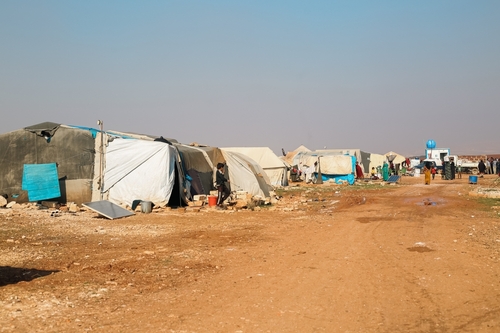
Six years after the territorial defeat of ISIL (Daesh), tens of thousands of people with alleged or actual ties to the terrorist group remain in detention camps across northeast Syria. The United Nations is warning that deteriorating conditions in these facilities present a growing humanitarian and security crisis that could destabilize the region and beyond.

A Humanitarian and Security Emergency

The largest of these facilities, Al-Hol camp, currently holds more than 30,000 people, including suspected foreign terrorist fighters and their families. Strikingly, 60 per cent are children, the majority under the age of 12. Foreign nationals number around 8,500 individuals from over 62 countries.

Conditions in the camps are described as dire and alarming. Detainees face prolonged detention without legal process, women and girls are exposed to sexual violence, and children lack basic necessities and access to education. The UN cautions that these circumstances risk transforming the camps into “incubators of terrorist radicalization”.

Iraq Takes the Lead

Iraq has emerged as a regional leader in repatriation efforts. Since 2021, more than 17,000 Iraqi nationals have been returned home through a comprehensive operation that integrates security, legal, and humanitarian support.

President Abdul Latif Rashid reaffirmed Iraq’s commitment:

“Our aim is to reintegrate them into their communities and ensure a safe future and dignified life in their country.”

He also called on the international community to “turn the page on this inhumane chapter” and ensure all camps are emptied by the end of the year.

A Narrowing Window for Action

According to UN officials, political developments in Syria — including the fall of the Assad regime last December and an agreement signed in March between Damascus and the Kurdish-led Syrian Democratic Forces (SDF) — have created a window of opportunity to advance solutions.

However, this opportunity is fleeting. As UN Under-Secretary-General Guy Ryder warned:

“Whilst the situation in northeast Syria grows more complex with increasing volatility, Daesh attacks and limited humanitarian access, Member States have new avenues now to engage directly with stakeholders. But that window can quickly narrow, and inaction would carry serious consequences.”

Beyond Repatriation

UN officials stress that repatriation alone is not enough. It must be followed by:

  • Accountability for crimes committed,
  • Rehabilitation and reintegration programs tailored to returnees, and
  • Justice for victims and survivors of terrorism.

As Acting Under-Secretary-General Alexandre Zouev emphasized, without such measures the cycle of violence cannot be broken.

AI Must Not Decide Humanity’s Fate, UN Chief Warns Security Council

By Vibhu Mishra
Date: 24 September 2025
Category: Peace and Security


Artificial intelligence (AI) offers unprecedented opportunities but also carries grave risks if left unchecked, UN Secretary-General António Guterres told the Security Council during a high-level debate on Wednesday.

“AI is no longer a distant horizon – it is here, transforming daily life, the information space, and the global economy at breathtaking speed. The question is not whether AI will influence international peace and security, but how we will shape that influence.”

Promise and Peril

Mr. Guterres highlighted AI’s potential to anticipate food insecurity, support de-mining, and detect violence before it erupts. Yet without safeguards, he cautioned, AI can be weaponised.

Recent examples include:

  • AI-enabled targeting in armed conflicts
  • Cyberattacks on critical infrastructure
  • Deepfakes spreading disinformation, polarisation, and diplomatic crises

“The ability to fabricate and manipulate audio and video threatens information integrity… humanity’s fate cannot be left to an algorithm,” he warned.

Four Global Priorities

The UN chief urged governments to:

  1. Maintain human control over the use of force
  2. Develop coherent global regulations for AI
  3. Protect information integrity
  4. Close the “AI capacity gap” between rich and poor nations

He reiterated his call for a ban on lethal autonomous weapons systems that operate without human control, with the goal of adopting a legally binding treaty by next year. Decisions on nuclear weapons, he stressed, “must rest with humans – not machines.”

Governance Efforts Underway

Mr. Guterres pointed to recent steps, including:

  • An independent scientific panel on AI
  • A global dialogue on AI governance, convening in New York

These initiatives aim to connect science, policy, and practice, ensuring all nations have a voice and reducing governance fragmentation.

Calls for Inclusion

Yejin Choi, Senior Fellow at Stanford University’s Institute for Human-Centered AI, warned that current AI progress is concentrated among a few companies and nations.

“When only a few have the resources to build and benefit from AI, we leave the rest of the world waiting at the door.”

She urged investment in smaller, adaptive systems that lower entry barriers, and pressed for stronger linguistic and cultural diversity, noting AI’s persistent underperformance in non-English languages.

Act Without Delay

Closing the session, Mr. Guterres warned that time is running out to establish effective rules.

“From nuclear arms control to aviation safety, humanity has faced destabilising technologies before – and responded with rules, institutions, and respect for human dignity. The window is closing to shape AI – for peace, for justice, for humanity. We must act without delay.”

‘No End’ Expected to Floods and Storms as Global Heating Continues

Date: 18 September 2025
Category: Climate and Environment


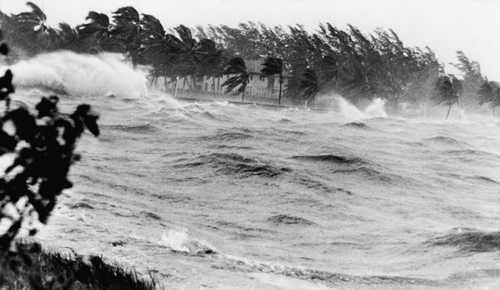
The world’s water systems are under mounting stress from climate change, with floods, storms, and droughts increasingly threatening lives and livelihoods across the globe, the UN World Meteorological Organization (WMO) warned on Thursday.

“Water-related hazards continue to cause major devastation this year,” said Celeste Saulo, WMO Secretary-General. “Unfortunately, we see no end to this trend.”

Rising Temperatures, Rising Risks

The WMO’s latest report on the state of global waterways confirms that 2024 was the hottest year in 175 years of record-keeping, with average surface temperatures 1.55°C above pre-industrial levels (1850–1900).

Hotter air holds more moisture, intensifying rainfall and making severe floods and storms more frequent. Recent disasters include:

  • Monsoon flooding in Pakistan
  • Flash floods in Bali, Indonesia
  • Deadly flooding in South Sudan

Storm Boris and Beyond

The legacy of Storm Boris in September 2024 still looms large. The storm triggered once-in-a-century floods across central and eastern Europe, displacing tens of thousands. Yet experts warn such rare disasters are now likely to occur more often than statistics once suggested.

“A ‘century event’ happened – but statistics show extreme events may become more frequent,” said Stefan Uhlenbrook, WMO Director of Hydrology.

Himalayan and Amazon Disruptions

Other examples of climate-driven disruption include:

  • Himalayan regions (Himachal Pradesh, Jammu & Kashmir): Early and extreme monsoon rains.
  • Amazon Basin: Severe drought worsened by El Niño.
  • North America, Mexico, southern Africa: Below-average rainfall, compounding water insecurity.

While El Niño contributed, WMO scientists stress that climate change is the primary driver of extreme droughts and floods worldwide.

A Connected World, A Broken Cycle

The WMO report found wetter-than-normal conditions in Africa’s Lake Victoria region, Kazakhstan, southern Russia, Pakistan, India, Iran, and northeastern China. At the same time, only one-third of the world’s river basins reported normal levels, underscoring widespread water cycle disruption.

Glaciers are retreating at alarming rates:

  • In 2024, glaciers lost 450 gigatonnes of ice – equal to 180 million Olympic swimming pools.
  • This added 1.2 mm to global sea levels, threatening hundreds of millions in coastal regions.

“2024 was the third straight year with widespread glacial loss,” Ms. Saulo said, warning of growing flood risks worldwide.

The Urgent Need for Data

The WMO emphasized that better monitoring of streamflow, groundwater, soil moisture, and water quality is essential. Many regions remain critically under-monitored, leaving governments and communities unprepared for worsening crises.

Historic Global Deal Reached to Slash Shipping Emissions

In a landmark achievement for climate action, countries have agreed on a new international framework to dramatically cut greenhouse gas emissions from the global shipping industry. After years of negotiations, the agreement was finalized during the latest session of the UN International Maritime Organization (IMO) Marine Environment Protection Committee.

The plan sets ambitious targets: achieving net-zero emissions from maritime shipping by 2050, with formal adoption expected in October 2025 and implementation starting in 2027.


Key Elements of the New Framework

The new measures, which will apply to large vessels over 5,000 gross tonnage (responsible for 85% of maritime CO₂ emissions), include:

  • Mandatory global fuel standards: Shipping companies must progressively lower the greenhouse gas intensity of their marine fuels.
  • Industry-wide carbon pricing: High-emission vessels will be required to purchase “remedial units” to offset their excess emissions, while ships using near-zero or zero-emission technologies will benefit from financial rewards.

This dual system is designed to create strong market incentives for the transition toward cleaner fuels and sustainable shipping practices.


Challenges and Breakthrough

Negotiations in London were intense. Some countries, including the United States, initially opposed the proposal. However, after a decisive vote, the framework passed, signaling a historic shift for the shipping industry.

“The approval of the net-zero framework is a major milestone,” said IMO Secretary-General Arsenio Dominguez, praising the global collaboration that made the agreement possible.
“This demonstrates the IMO’s commitment to modernizing shipping and addressing climate change.”


Supporting Developing Nations

A significant feature of the framework is the creation of the IMO Net-Zero Fund. Financed by revenues from the carbon pricing mechanism, this fund will:

  • Support innovation and infrastructure for greener shipping, especially in developing countries.
  • Mitigate the economic impact on vulnerable nations, such as small island developing States (SIDS) and least developed countries (LDCs), which are disproportionately affected by climate change.

What’s Next?

  • Formal Adoption: Final ratification of the agreement is scheduled for October 2025 during the next IMO session.
  • Implementation: New standards and mechanisms will officially take effect in 2027, allowing the industry time to transition and invest in new technologies.

About the IMO

Founded in 1948 and based in London, the International Maritime Organization is the UN’s specialized agency tasked with ensuring the safety, security, and environmental sustainability of global shipping. It is behind key international treaties like SOLAS (Safety of Life at Sea) and MARPOL (Prevention of Pollution from Ships).


This landmark decision is expected to reshape the future of global shipping, accelerating the sector’s transition toward sustainability while providing critical support to nations most at risk from the impacts of climate change.

Global Inequality Deepens as Billions Struggle Amid Rising Insecurity, Warns New UN Report

A new United Nations report warns that economic uncertainty, conflict, and climate shocks are plunging billions of people into deeper insecurity, fueling a collapse of trust in governments and institutions worldwide.

According to the World Social Report 2025, launched Thursday, fear of job loss and financial instability is no longer confined to poorer regions—it’s now a global phenomenon impacting every corner of the world.

Despite historic gains in education, healthcare, and technology, many people today feel worse off than previous generations, with nearly 60% of surveyed individuals saying they are “struggling” and another 12% describing themselves as “suffering.”


Global Instability: A New Normal

The report highlights a growing sense of vulnerability across all income levels:

  • Even in high-income countries, gig work and the digital economy are creating jobs that offer flexibility at the cost of security, rights, and long-term stability.
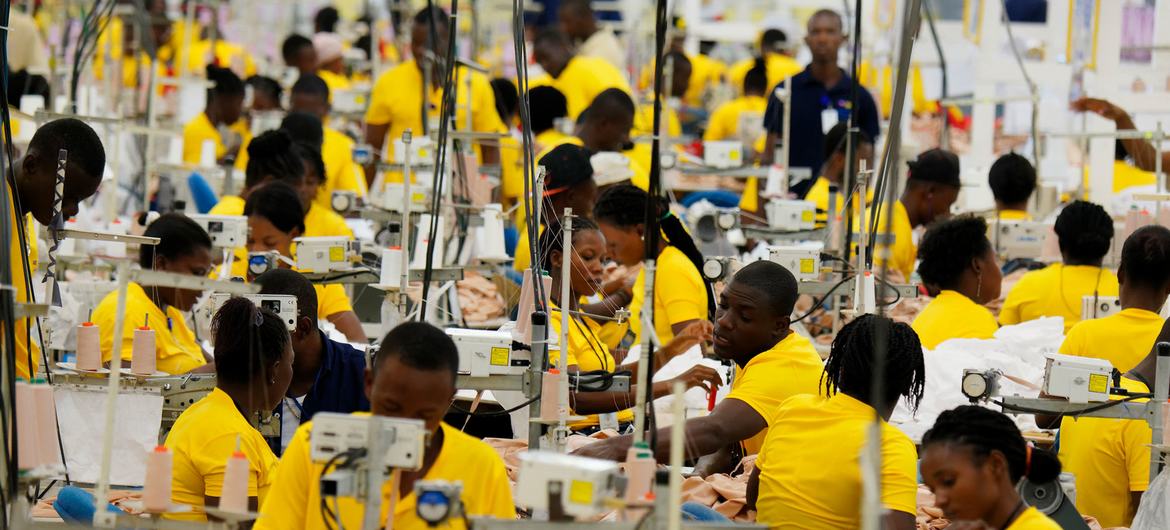
  • Informal employment dominates in many low- and middle-income countries, leaving millions trapped in low-wage, precarious work without social protections.
  • More than 2.8 billion people live on less than $6.85 per day, where any minor economic shock can force families back into extreme poverty.

The challenges are made worse by the increasing impact of climate change, armed conflicts, and widening inequality, particularly across developing regions.


Trust in Freefall

As economic pressures mount, public trust in institutions is crumbling:

  • 57% of the global population now expresses low confidence in their governments.
  • Among younger generations, trust levels are even lower, sparking fears of long-term civic disengagement.
  • Fewer than 30% of people believe that most others can be trusted, eroding social cohesion and making collective action even harder.

The UN report also highlights the toxic role of misinformation spread through digital platforms, where algorithm-driven echo chambers amplify division and radicalize opinions.


A Call for Bold, People-Centered Policies

The World Social Report 2025 calls for urgent action to reverse these damaging trends:

  • Invest in public services: education, healthcare, housing, and social protection must be strengthened.
  • Rebuild trust: by creating inclusive, accountable institutions that genuinely represent and serve their people.
  • Address inequality: by ensuring wealth and power are distributed more fairly across societies.

These steps are essential not just for economic recovery, but for rebuilding public confidence and ensuring inclusive, sustainable growth.


The Path Forward: Global Unity Needed

In his foreword to the report, UN Secretary-General António Guterres emphasized that today’s interconnected challenges can only be solved through collective action:

“Now more than ever, we must strengthen our resolve to come together and build a world that is more just, secure, resilient, and united for each and every one of us.”

As the world prepares for the Second World Summit for Social Development in Doha this November, global leaders are being urged to prioritize solidarity, economic security, and renewed multilateral cooperation to build a better future for all.

Global Trust Eroding as Job Fears Surge, Warns UN World Social Report 2025

Billions around the globe are grappling with economic instability, conflict, and climate shocks, leading to widespread fear over job security and a collapse in trust toward institutions and each other, according to the World Social Report 2025, launched by the United Nations on Thursday.

Despite advances in education, longevity, and connectivity, many people believe life today is worse than it was 50 years ago, with close to 60% of those surveyed reporting that they are “struggling” and 12% describing themselves as “suffering.”


Key Findings of the Report

Economic Insecurity Across All Income Levels

  • Job instability is now a global issue, not confined to low-income regions. Even in wealthier nations, the rise of gig work and digital transitions has led to precarious, low-security jobs.
  • Informal employment remains dominant in many middle- and low-income countries, offering little to no safety nets like healthcare, pensions, or job protections.
  • Over 2.8 billion people live on less than $6.85 per day, meaning even minor financial shocks can trigger a return to extreme poverty.

Impact of Climate Change and Conflict

  • Climate disasters and armed conflicts are undermining local economies, deepening inequality, and further destabilizing job markets—especially in the developing world.

Collapse of Trust in Institutions and Society

The report paints a bleak picture of waning trust globally:

  • 57% of the world’s population now expresses low confidence in their governments.
  • Among young people—those born after 2000—trust levels are even lower, raising serious concerns about future civic engagement and political stability.
  • Only 30% of people in surveyed countries believe that most others can be trusted.

The report also links the rise of misinformation and disinformation, exacerbated by social media algorithms, to further division, radicalization, and the erosion of public trust.

“The spread of misinformation, facilitated by digital technologies, is reinforcing divisions and fuelling distrust,” the report warns.


A Call for Bold Policy Reforms

To reverse these dangerous trends, the UN report calls for ambitious and equity-driven policy actions, emphasizing:

  • Investment in public services such as education, healthcare, housing, and social protection.
  • Strengthening inclusive, accountable institutions to rebuild public trust.
  • Redistributing wealth and power, reducing the extreme concentration of resources at the top of societies.

“These investments are not optional—they are essential for promoting resilience and inclusive growth,” the report stresses.


A Collective Response to Global Challenges

Ahead of the Second World Summit for Social Development in Doha this November, the UN underscores the urgency of collective action.

In a foreword to the report, UN Secretary-General António Guterres called for decisive leadership:

“The global challenges we face demand collective solutions. Now more than ever, we must strengthen our resolve to come together and build a world that is more just, secure, resilient, and united for each and every one of us.”


For continued coverage of the World Social Report 2025, major global summits, and efforts to tackle inequality, insecurity, and climate change, stay connected to our platform. We bring you trusted insights into how today’s challenges can be met with bold, collaborative action.

Youth Unemployment Hits 15-Year Low, But Challenges Persist for Young Workers, Says UN Labour Agency

The global youth unemployment rate has reached a 15-year low, according to the latest report by the UN International Labour Organization (ILO). However, young workers, especially in low-income countries and certain regions like Asia, the Pacific, and Arab States, are struggling to benefit from the post-COVID economic recovery.

Despite a global decline in youth unemployment to 13% in 2023—lower than pre-pandemic levels—the recovery remains uneven, with rising joblessness in East Asia, the Arab States, and Southeast Asia and the Pacific. The ILO’s report highlights significant disparities in job security, with only one in four young workers in low-income countries securing stable employment, compared to three in four in wealthier nations.

The report also sheds light on the challenges faced by young women, who are twice as likely as men to be “NEET” (Not in Employment, Education, or Training). Gender bias remains a significant issue, with the global NEET rate for young women more than double that of young men in 2023.

The ILO emphasizes that creating decent work opportunities is crucial for social justice and the global economy, especially in the face of demographic trends like Africa’s “youthquake.” The report calls for urgent action to address inequalities in the labour market and ensure that young people have the opportunity to build secure futures.

Key findings from the ILO’s Global Employment Trends for Youth 2024 report include a shortage of high-skill jobs, particularly in middle-income countries, and the need for skills development to keep pace with evolving demands in green and digital industries. The ILO underscores that without equal access to education and decent work, millions of young people will miss out on a better future.


The original article

Global Hunger Setback by 15 Years: UN Report Warns of Growing Crisis

Published on July 24, 2024

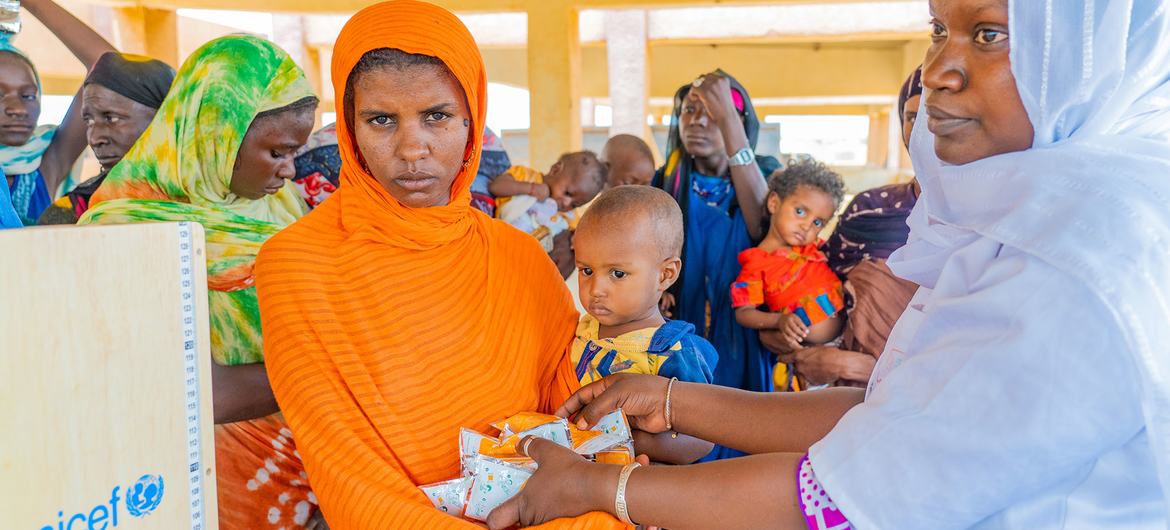
The fight against global hunger has been significantly set back, with around 733 million people experiencing hunger in 2023—equivalent to one in eleven people globally and one in five in Africa, according to the latest UN State of Food Security and Nutrition in the World (SOFI) report. This alarming trend suggests that progress toward the Sustainable Development Goal (SDG) of Zero Hunger by 2030 is severely off track.

Key Findings:

  • Hunger Statistics: Between 713 million and 757 million people were undernourished in 2023, an increase of about 152 million since 2019.
  • Regional Disparities: Africa is the hardest hit, with 20.4% of its population facing hunger, while Asia remains stable at 8.1%. Latin America has seen slight improvements but still faces significant challenges.
  • Drivers of Hunger: Conflict, climate extremes, and economic downturns are the primary drivers of hunger, particularly in Africa.
  • Food Insecurity: In 2023, approximately 2.33 billion people globally were moderately or severely food insecure, nearly matching the numbers seen during the COVID-19 pandemic.
  • Economic Barriers: A staggering 2.8 billion people could not afford a healthy diet in 2022, with stark contrasts between high-income and low-income countries.

Progress and Challenges:

Despite some advances, such as increased exclusive breastfeeding rates and a slight reduction in stunting among children under five, global hunger levels have remained static for three consecutive years. Moreover, adult obesity continues to rise, projected to affect over 1.2 billion adults by 2030.

COVID-19 Impact:

The pandemic has exacerbated food insecurity, particularly in low-income countries. By 2022, the number of people unable to afford a healthy diet reached its highest level since 2017 in these regions, highlighting the widening inequality caused by COVID-19.

Call to Action:

The report emphasizes the need for increased, cost-effective financing and a standardized approach to food security and nutrition. Transforming agrifood systems, addressing inequalities, and making healthy diets affordable and accessible are critical to achieving SDG 2: Zero Hunger. UN agency heads stress that substantial investment is necessary to close the financing gap and enhance global food security efforts.

FAO Chief Economist Maximo Torero highlights the urgency: “We need to understand that our agri-food systems are under increasing risk and uncertainty due to climate change…donors must adopt greater risk tolerance to activate effective finance.”

For more detailed insights, visit the original report on the United Nations website

China Dominates Global Generative AI Patents: UN Report

tech

3 July 2024 – Economic Development

A recent report from the UN World Intellectual Property Organization (WIPO) reveals that China-based inventors are leading in the number of generative artificial intelligence (GenAI) patents filed globally. Between 2014 and 2023, over 38,000 GenAI patents originated from China, which is six times more than those filed by inventors in the United States, the second-highest country in this regard.

GenAI: A Revolutionary Technology

Generative AI, or GenAI, enables users to create various content types, including text, images, music, and software code. This technology powers a wide array of industrial and consumer products, such as chatbots like ChatGPT, Google Gemini, and Baidu’s ERNIE.

According to WIPO Director General Daren Tang, “GenAI has emerged as a game-changing technology with the potential to transform the way we work, live, and play.” The WIPO report highlights that since the introduction of deep neural network architecture in 2017, the number of GenAI patents has surged by over 800 percent through 2023, reflecting significant technological advances and the vast potential of GenAI.

Shaping the Future of GenAI

Tang added that by analyzing patenting trends and data, WIPO aims to provide insights into where this rapidly evolving technology is being developed and its future direction. “This can help policymakers shape the development of GenAI for our common benefit and ensure that we continue to put the human being at the center of our innovation and creative ecosystems,” he said.

Key Findings of the Report

The report notes that GenAI patents currently represent 6 percent of all AI patents globally. The top ten applicants for these patents include:

  1. Tencent (2,074 inventions)
  2. Ping An Insurance (1,564)
  3. Baidu (1,234)
  4. Chinese Academy of Sciences (607)
  5. IBM (601)
  6. Alibaba Group (571)
  7. Samsung Electronics (468)
  8. Alphabet (443)
  9. ByteDance (418)
  10. Microsoft (377)

Geographically, China (38,210 inventions) leads the field, followed by the US (6,276 inventions), Republic of Korea (4,155), Japan (3,409), and India (1,350).

In terms of data types, image and video data dominate GenAI patents (17,996 inventions), followed by text (13,494) and speech or music (13,480). Additionally, patents involving molecule, gene, and protein-based data have grown rapidly, with 1,494 inventions since 2014 and a 78 percent average annual growth over the past five years.

For more details visit the original website