Category Archives: Human Rights

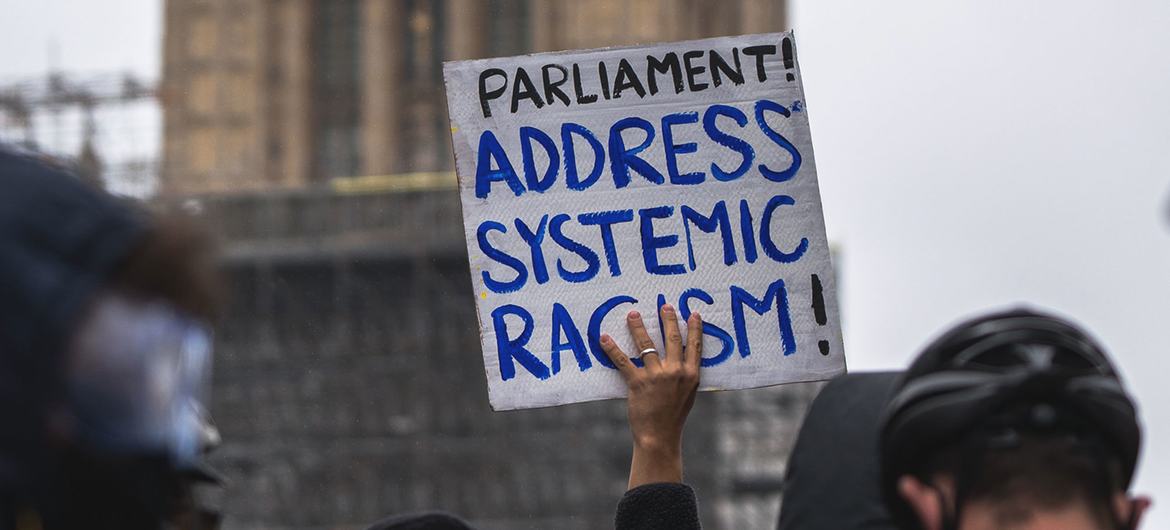
Global Human Rights Advocates Called to Unite Against Racism and Injustice

The global fight against anti-Black racism and systemic inequality remains a critical challenge in the 21st century, according to the latest annual report from the United Nations Permanent Forum on People of African Descent.

Speaking at the Human Rights Council in Geneva, the Forum’s chairperson emphasized that the “colour line” — the racial divide that fuels discrimination, segregation, and social inequality — continues to shape the lives of millions across the world.

“We are still seeing deep-rooted hierarchies that deny Black communities equal opportunities and dignity,” the Forum reported. “It’s time for human rights movements to come together more strongly than ever before.”


A Decade of Change and Opportunity

This year marks the beginning of the Second International Decade for People of African Descent, a global initiative that aims to accelerate progress in three key areas:

  • Recognition of systemic racism and the contributions of people of African descent.
  • Justice, particularly in addressing historical and ongoing discrimination.
  • Development, by ensuring inclusive participation in social and economic frameworks.

The Forum is calling for concrete reparatory justice measures, including public acknowledgement of past injustices, legal restitution, and full integration of African-descended populations in decision-making processes.


Digital and Climate Justice Now

As the world advances technologically, the Forum warns that digital systems and artificial intelligence risk replicating and amplifying historical inequities. It has urged global institutions to ensure:

  • Digital equity, especially in the use and design of AI.
  • Protection from racial bias embedded in emerging technologies.
  • Environmental and climate justice for marginalized communities.

The Unique Struggles of African Women and Girls

The report highlights the intersecting discrimination faced by women and girls of African descent, rooted in the legacy of enslavement and continued devaluation. It stresses that:

“True development and justice cannot be achieved without explicit reparatory measures for African women and girls.”


Haiti’s Crisis in Focus

The Forum also spotlighted the crisis in Haiti, linking its current instability to historical injustices such as colonial exploitation and the infamous “independence debt” imposed by France. The Forum calls for:

  • International recognition of these historical wrongs.
  • A reparatory justice framework to address both the past and present.
  • Urgent support tailored to the Haitian people’s unique historical context.

Looking Ahead: Unity for Action

As the Forum concluded its report, it issued a powerful call to action:

“The global African diaspora is crying out for dignity, justice, and freedom. This is a moment for unity — among human rights groups, governments, civil society, and citizens — to uphold the promise of equality for all.”

UN Warns Time Running Out for Families Stranded in Syria Camps

Date: 26 September 2025
Category: Peace and Security


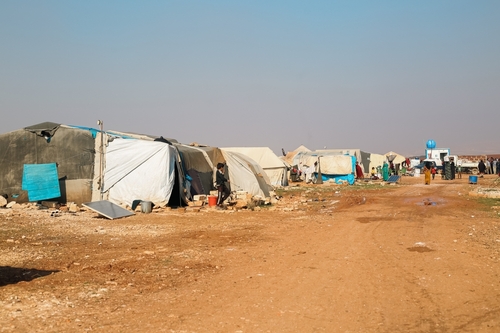
Six years after the territorial defeat of ISIL (Daesh), tens of thousands of people with alleged or actual ties to the terrorist group remain in detention camps across northeast Syria. The United Nations is warning that deteriorating conditions in these facilities present a growing humanitarian and security crisis that could destabilize the region and beyond.

A Humanitarian and Security Emergency

The largest of these facilities, Al-Hol camp, currently holds more than 30,000 people, including suspected foreign terrorist fighters and their families. Strikingly, 60 per cent are children, the majority under the age of 12. Foreign nationals number around 8,500 individuals from over 62 countries.

Conditions in the camps are described as dire and alarming. Detainees face prolonged detention without legal process, women and girls are exposed to sexual violence, and children lack basic necessities and access to education. The UN cautions that these circumstances risk transforming the camps into “incubators of terrorist radicalization”.

Iraq Takes the Lead

Iraq has emerged as a regional leader in repatriation efforts. Since 2021, more than 17,000 Iraqi nationals have been returned home through a comprehensive operation that integrates security, legal, and humanitarian support.

President Abdul Latif Rashid reaffirmed Iraq’s commitment:

“Our aim is to reintegrate them into their communities and ensure a safe future and dignified life in their country.”

He also called on the international community to “turn the page on this inhumane chapter” and ensure all camps are emptied by the end of the year.

A Narrowing Window for Action

According to UN officials, political developments in Syria — including the fall of the Assad regime last December and an agreement signed in March between Damascus and the Kurdish-led Syrian Democratic Forces (SDF) — have created a window of opportunity to advance solutions.

However, this opportunity is fleeting. As UN Under-Secretary-General Guy Ryder warned:

“Whilst the situation in northeast Syria grows more complex with increasing volatility, Daesh attacks and limited humanitarian access, Member States have new avenues now to engage directly with stakeholders. But that window can quickly narrow, and inaction would carry serious consequences.”

Beyond Repatriation

UN officials stress that repatriation alone is not enough. It must be followed by:

  • Accountability for crimes committed,
  • Rehabilitation and reintegration programs tailored to returnees, and
  • Justice for victims and survivors of terrorism.

As Acting Under-Secretary-General Alexandre Zouev emphasized, without such measures the cycle of violence cannot be broken.

AI Must Not Decide Humanity’s Fate, UN Chief Warns Security Council

By Vibhu Mishra
Date: 24 September 2025
Category: Peace and Security


Artificial intelligence (AI) offers unprecedented opportunities but also carries grave risks if left unchecked, UN Secretary-General António Guterres told the Security Council during a high-level debate on Wednesday.

“AI is no longer a distant horizon – it is here, transforming daily life, the information space, and the global economy at breathtaking speed. The question is not whether AI will influence international peace and security, but how we will shape that influence.”

Promise and Peril

Mr. Guterres highlighted AI’s potential to anticipate food insecurity, support de-mining, and detect violence before it erupts. Yet without safeguards, he cautioned, AI can be weaponised.

Recent examples include:

  • AI-enabled targeting in armed conflicts
  • Cyberattacks on critical infrastructure
  • Deepfakes spreading disinformation, polarisation, and diplomatic crises

“The ability to fabricate and manipulate audio and video threatens information integrity… humanity’s fate cannot be left to an algorithm,” he warned.

Four Global Priorities

The UN chief urged governments to:

  1. Maintain human control over the use of force
  2. Develop coherent global regulations for AI
  3. Protect information integrity
  4. Close the “AI capacity gap” between rich and poor nations

He reiterated his call for a ban on lethal autonomous weapons systems that operate without human control, with the goal of adopting a legally binding treaty by next year. Decisions on nuclear weapons, he stressed, “must rest with humans – not machines.”

Governance Efforts Underway

Mr. Guterres pointed to recent steps, including:

  • An independent scientific panel on AI
  • A global dialogue on AI governance, convening in New York

These initiatives aim to connect science, policy, and practice, ensuring all nations have a voice and reducing governance fragmentation.

Calls for Inclusion

Yejin Choi, Senior Fellow at Stanford University’s Institute for Human-Centered AI, warned that current AI progress is concentrated among a few companies and nations.

“When only a few have the resources to build and benefit from AI, we leave the rest of the world waiting at the door.”

She urged investment in smaller, adaptive systems that lower entry barriers, and pressed for stronger linguistic and cultural diversity, noting AI’s persistent underperformance in non-English languages.

Act Without Delay

Closing the session, Mr. Guterres warned that time is running out to establish effective rules.

“From nuclear arms control to aviation safety, humanity has faced destabilising technologies before – and responded with rules, institutions, and respect for human dignity. The window is closing to shape AI – for peace, for justice, for humanity. We must act without delay.”

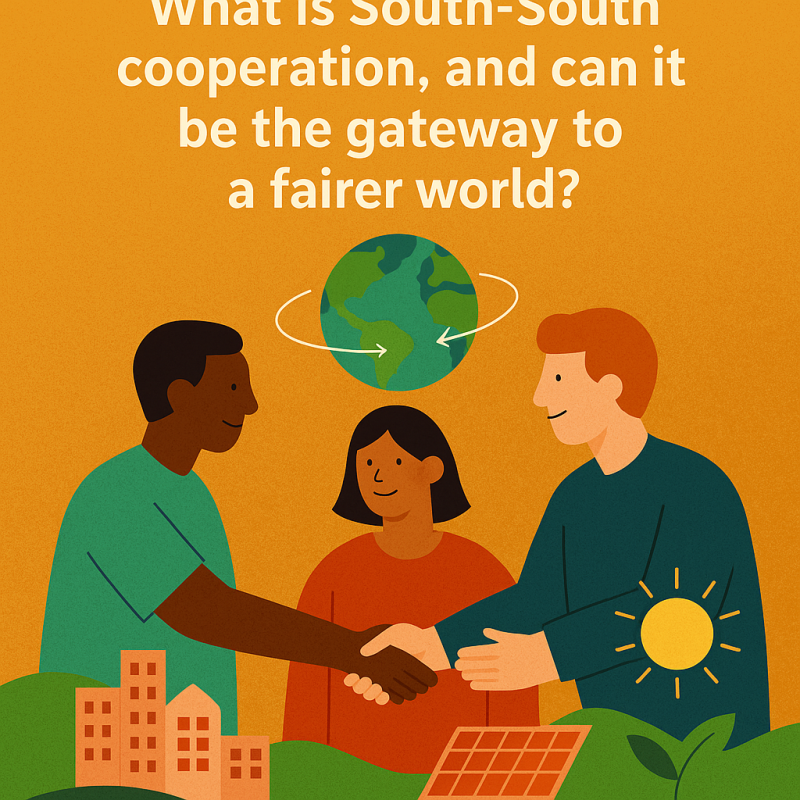
South-South Cooperation: A Pathway to Equitable Global Development

In an era of global uncertainty, many developing nations are discovering that the key to sustainable progress lies not in aid from wealthier states, but in solidarity with one another. Known as South-South cooperation, this model promotes collaboration among developing countries to share resources, expertise, and innovative solutions.

What is South-South Cooperation?

South-South cooperation refers to partnerships between countries in the Global South—regions that share similar post-colonial challenges and development goals. These collaborations span governments, civil society, academia, and the private sector, aiming to exchange knowledge and resources to meet shared objectives such as economic resilience, climate action, and digital transformation.

The UN Office for South-South Cooperation (UNOSSC), established in 1974, supports and promotes these partnerships globally. With 80% of the world’s population living in the Global South, the potential for innovation and inclusive growth is vast.

Turning Challenges into Opportunities

Although nations in the Global South face significant hurdles—geopolitical tensions, limited funding, and a widening digital divide—they also hold enormous untapped potential. By focusing on joint development strategies, countries are transforming adversity into opportunity.

For example:

  • Morocco’s success in solar energy has inspired similar projects across sub-Saharan Africa.
  • Saudi Arabia is sharing its expertise in water desalination with drought-affected nations.
  • The UAE’s Masdar City is pioneering clean technology research for global benefit.
  • The Islamic Development Bank is facilitating knowledge sharing across its 57 member states, driving sustainable agriculture and infrastructure.

The Role of South-South Cooperation in Multilateralism

South-South initiatives like the India-UN Development Partnership Fund highlight the collective power of nations working together to meet the Sustainable Development Goals (SDGs). While not a replacement for North-South partnerships, these alliances demonstrate that collaborative action can lead to meaningful, scalable results.

As tensions rise globally, South-South cooperation offers a hopeful path forward—reaffirming the need to build bridges rather than barriers and fostering a more inclusive and balanced global development system.

UNICEF Calls for Urgent Action to Protect Myanmar’s Children

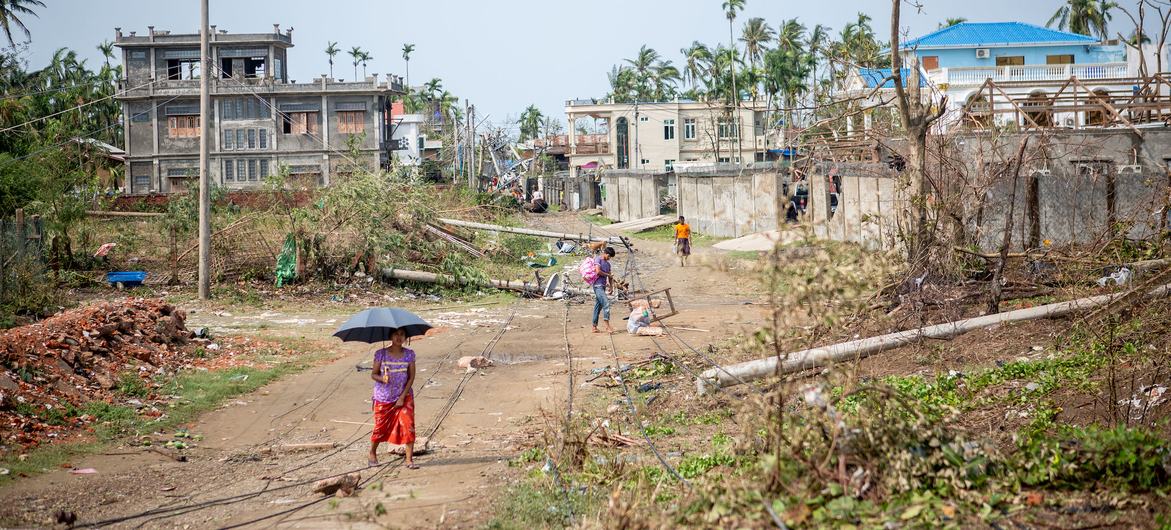
The children of Myanmar are facing an unprecedented crisis, caught in the escalating violence of a deepening conflict, extreme weather events, and a collapsing humanitarian system, according to a report by UNICEF. Speaking on Thursday, UNICEF Deputy Executive Director Ted Chaiban issued a pressing plea for international action, calling the situation “dire” for the country’s youngest and most vulnerable.

A Crisis Deepening Since the Coup

Myanmar has been in turmoil since the military coup in February 2021, which has intensified fighting between military forces and ethnic armed groups. Heavy artillery, airstrikes, and widespread violence have left civilians, particularly children, in extreme danger.

UNICEF reports that at least 650 children have been killed or maimed in 2024 alone. The use of deadly weapons in civilian areas—such as homes, schools, and hospitals—has eradicated safe spaces for children, depriving them of their basic rights to safety and security.

Displacement and Tragedy

Over 3.4 million people have been displaced nationwide, with children accounting for nearly 40% of this figure. In a harrowing incident on November 15, a strike on a church compound in Kachin State killed seven children and two adults as they played football.

Ted Chaiban, who recently visited conflict-affected areas in Kachin, highlighted the plight of children caught in these brutal circumstances:
“I saw firsthand how vulnerable children and other civilians are in conflict-affected areas,” he said, urging all parties to uphold international humanitarian law.

Climate and Aid Challenges

Adding to the devastation, Myanmar has faced severe climate events like Typhoon Yagi, which caused flooding and affected over a million people. Children in these areas are cut off from essential healthcare, education, and other critical services.

Efforts to deliver aid have been severely hindered by ongoing conflict, bureaucratic barriers, and infrastructure challenges. UNICEF’s 2024 humanitarian appeal is alarmingly underfunded, with less than 25% of its target met, even as the needs continue to rise.

Calls for International Action

UNICEF is urging all parties to protect civilians, ensure safe passage for those fleeing violence, and adhere to international humanitarian law. It has also called on the international community to intensify support through funding, advocacy, and solidarity.

“The cost of inaction is far too high. Myanmar’s children cannot afford to wait,” emphasized Mr. Chaiban.

UN Special Rapporteur Tom Andrews added his voice, urging stronger enforcement of sanctions and coordinated international efforts to pressure those responsible for the crisis.

UNICEF’s Commitment

Despite the immense challenges, UNICEF remains committed to delivering lifesaving services, including health, nutrition, and education, particularly in frontline and hard-to-reach areas. The organization continues to advocate for the safety and well-being of Myanmar’s children, determined to address one of the world’s most pressing humanitarian crises.

For more information, visit the UN News article on UNICEF’s efforts in Myanmar

UN Rights Expert Urges Universities to Respect Pro-Palestinian Protests

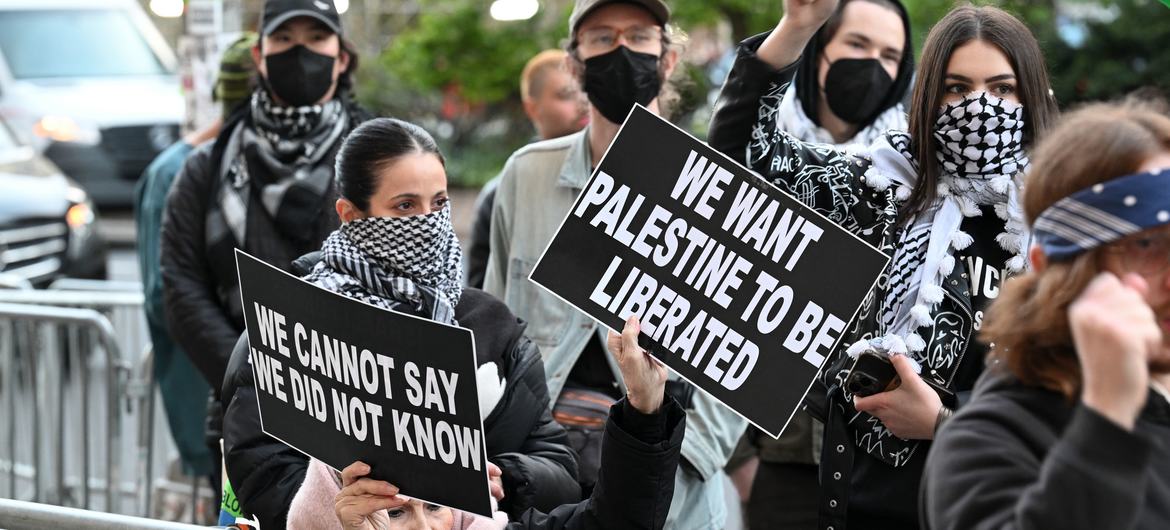
Universities must uphold the right to peaceful activism and review policies that target pro-Palestinian movements on their campuses, said Gina Romero, the UN Special Rapporteur on the rights to freedom of assembly and association, on Friday. Romero warned that the harsh repression of student-led protests is not only a direct threat to democratic institutions but also risks alienating an entire generation from civic engagement and democratic processes.

According to Romero, international solidarity movements supporting the Palestinian people have surged since the war in Gaza began nearly a year ago. University campuses have become focal points for mass demonstrations, sit-ins, and peaceful assemblies, led largely by students advocating for Palestinian rights and self-determination. However, she highlighted that many academic institutions have responded with repressive measures, creating hostile environments that hinder freedom of speech, peaceful assembly, and association.

Romero’s findings are based on extensive discussions with around 150 individuals from 30 countries, including students and faculty members. She concluded that many universities have failed to adequately protect these movements, fostering a climate of stigmatization and hostility that silences activists. “This is a profound failure of responsibility,” she said, “not only to safeguard democratic freedoms but also to prevent atrocity crimes and contribute to global peace.”

As universities worldwide reopen for the new academic year, student-led protests in support of Palestinian rights have resumed, joining a growing global movement. Romero stressed the importance of these peaceful assemblies and the valuable contributions of young people to human rights advocacy. She urged universities to recognize the significance of free and meaningful engagement from youth and to provide support for their activism.

Romero made six key recommendations for academic institutions, emphasizing the need to end the stigmatization and hostility that silence student voices. She called on universities to immediately cease any surveillance or punitive measures against students and faculty who participate in peaceful protests. Instead of resorting to law enforcement, she urged institutions to prioritize negotiation and mediation to resolve conflicts arising from peaceful assemblies.

Additionally, Romero called for independent investigations into human rights violations committed against student protesters, particularly in cases where sanctions were imposed for exercising fundamental freedoms. She emphasized that affected individuals must be granted effective remedies and that universities should revise their policies to align with international human rights standards.

Romero also highlighted the critical role universities play in shaping political discourse and civic education. “Their responsibility extends beyond campus borders,” she said. “The actions taken by universities have the power to shape the future of democracy, freedoms, and human rights globally.” She underscored that respecting dissent is essential to ensuring that universities remain spaces for free thought, academic freedom, and the exercise of fundamental rights.

The UN Special Rapporteur’s statement serves as a reminder of the need for academic institutions to act as defenders of democratic values and protectors of human rights, particularly in times of global unrest.

About UN Special Rapporteurs
Special Rapporteurs are independent experts appointed by the UN Human Rights Council to monitor and report on human rights issues. They do not receive compensation for their work and do not represent the UN or any government. Their role is to provide an impartial analysis of country-specific or thematic human rights concerns based on international law.
check the original topic