US Withdrawal From WHO ‘Risks Global Safety’, Agency Warns in Detailed Rebuttal

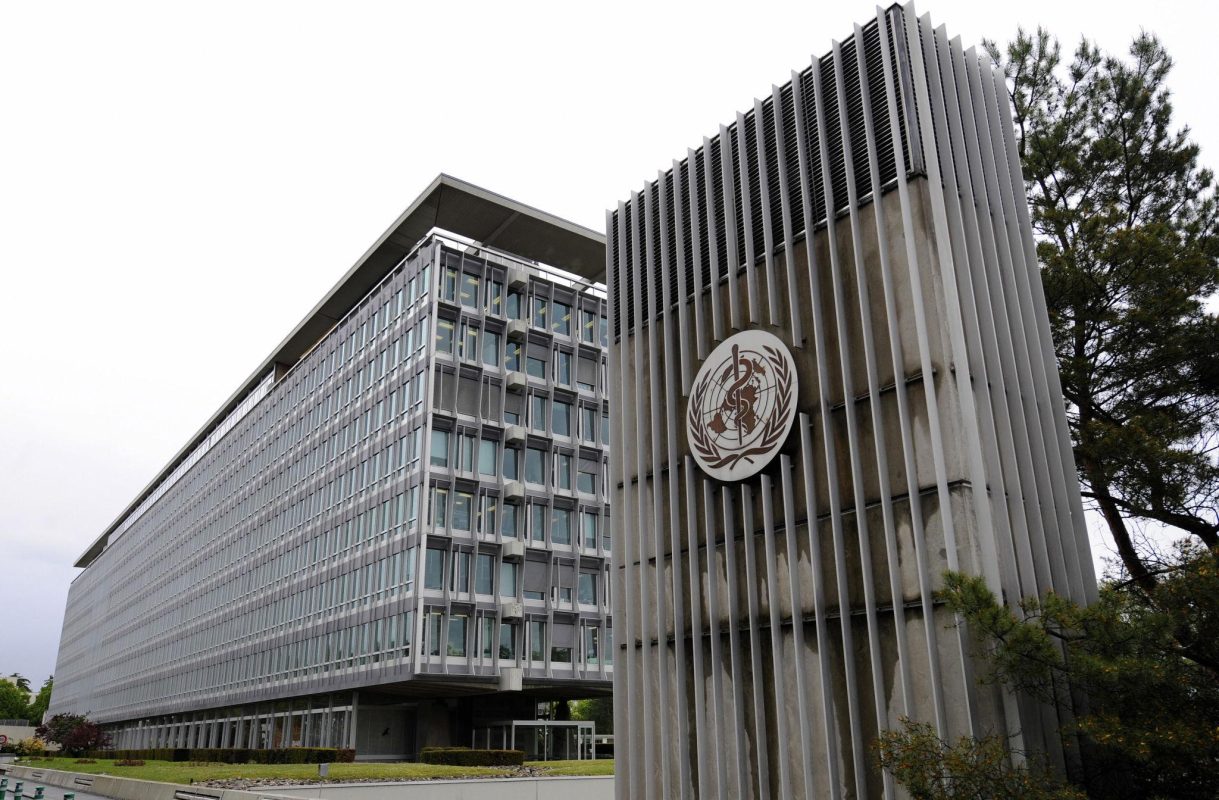
The World Health Organization (WHO) has issued a detailed public response expressing deep regret over the United States’ decision to withdraw from the UN health agency, warning that the move will leave both the US and the global community less safe.

In a statement released on Saturday, WHO directly addressed and rejected claims made by the US administration that the agency had compromised its independence, acted politically, or disrespected US sovereignty.

The agency said the allegations are factually incorrect, stressing that it has always engaged with the United States “in good faith, with full respect for its sovereignty.”

WHO strongly denied claims that it pursued a politicised agenda driven by countries hostile to US interests, reaffirming that it is impartial, science-based, and committed to serving all Member States without fear or favour.


Defending WHO’s COVID-19 response

A significant portion of the statement responds to accusations that WHO mishandled the COVID-19 pandemic or obstructed the timely sharing of information.

WHO countered that it:

  • Acted rapidly and transparently
  • Shared all verified information as soon as it became available
  • Issued guidance based on the best available scientific evidence

The agency clarified that while it recommended masks, vaccines, and physical distancing, it never mandated lockdowns, vaccines, or mask requirements, as such decisions fall under national authority.


Timeline of early pandemic actions

WHO detailed its early response to COVID-19:

  • 31 December 2019: After reports of “pneumonia of unknown cause” in Wuhan, China, WHO requested information from Chinese authorities and activated its emergency incident management system.
  • 11 January 2020: By the time China reported the first death, WHO had already alerted the world through formal channels, public briefings, and social media, convened global experts, and issued technical guidance to countries.
  • 30 January 2020: WHO declared COVID-19 a Public Health Emergency of International Concern (PHEIC)—the highest level of global health alarm—when there were fewer than 100 cases outside China and no reported deaths.

During the early months of the crisis, the WHO Director-General repeatedly warned countries that “the window of opportunity is closing,” calling COVID-19 “public enemy number one.”


Learning and reform

WHO acknowledged that the pandemic prompted multiple independent reviews of the global response, including the agency’s own performance. In response, WHO said it has:

  • Strengthened internal systems
  • Supported countries to improve pandemic preparedness
  • Enhanced surveillance, data-sharing, and emergency coordination mechanisms

The agency stressed that these systems have contributed to global safety before, during, and after the pandemic—including for the United States.


Door remains open for US return

Despite the withdrawal notice, WHO said it remains committed to cooperation and hopes the United States will re-engage in the future.

The agency highlighted the recent adoption of the WHO Pandemic Agreement, calling it a landmark international legal instrument designed to strengthen prevention, preparedness, and response to future global health threats.

As a founding member of WHO, the United States has played a central role in some of the organisation’s greatest achievements, including:

  • The eradication of smallpox
  • Progress against polio, HIV, Ebola, influenza, tuberculosis, malaria
  • Efforts to combat antimicrobial resistance, food safety threats, and neglected tropical diseases

WHO’s closing message

The statement concluded with a reaffirmation of WHO’s core mission:

“WHO remains steadfastly committed to working with all countries to advance the highest attainable standard of health as a fundamental right for all people.”

UN Warns of Rising Internet Shutdowns as Digital Blackouts Spread Worldwide

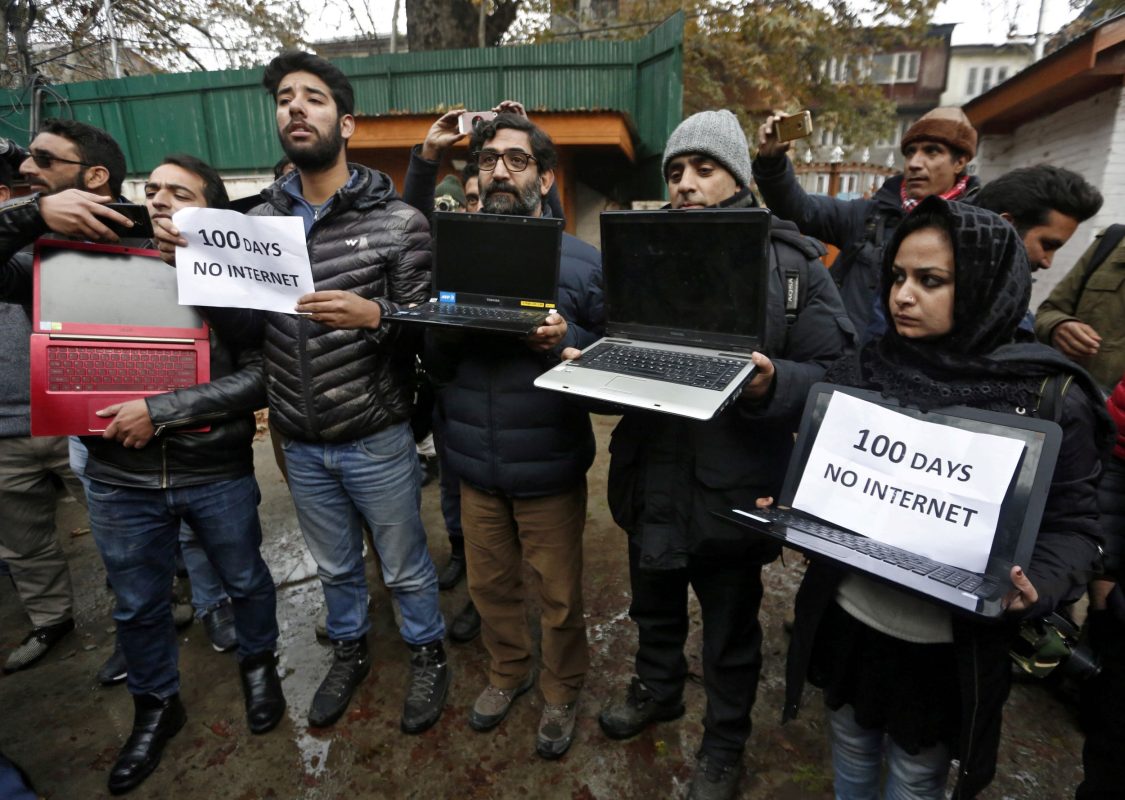
The United Nations is raising alarm over a sharp increase in government-imposed internet shutdowns, warning that digital blackouts are becoming a widespread tool that undermines freedom of expression, access to information, and basic human rights.

According to the United Nations Educational, Scientific and Cultural Organization (UNESCO), at least 300 state-sponsored internet shutdowns were recorded across more than 54 countries over the past two years.

In a statement released this week, UNESCO said governments are increasingly cutting internet access during protests, elections, and periods of political crisis, despite the essential role connectivity plays in democratic participation and daily life.


A record-breaking trend

UNESCO cited data from civil-society watchdog Access Now, which found that 2024 was the worst year on record for internet shutdowns since monitoring began in 2016.

The agency warned that the trend has continued into 2026, with blanket shutdowns already imposed in several countries facing major demonstrations or electoral processes.

“Access to information is an integral part of the universal right to freedom of expression,” UNESCO said, emphasizing that internet connectivity also underpins rights to education, assembly, association, and participation in public life.

Rather than restricting access, UNESCO urged governments to adopt policies that expand connectivity and protect digital civic space.


Fuel for misinformation

UN experts warn that shutdowns often worsen the very crises they claim to address.

When journalists, public authorities, and humanitarian actors are cut off from digital communication:

  • Verified information becomes scarce
  • Rumours and disinformation spread more easily
  • Public trust erodes

Digital blackouts, UNESCO noted, create information vacuums that are quickly filled by unverified or misleading content.


Shutdowns during protests and elections

Recent months have seen a surge in high-profile shutdowns and platform bans:

  • Iran: In January 2026, authorities imposed a near-total nationwide blackout during renewed protests, with internet traffic dropping to minimal levels and severe disruption to businesses, media, and civil society.
  • Afghanistan: The Taliban ordered a nationwide shutdown between September and October 2025, further restricting humanitarian aid, journalism, and access to education—particularly for women and girls.
  • Nepal: Authorities suspended access to 26 social media and messaging platforms in September 2025 amid political unrest.
  • Sri Lanka: A 2024 law granting sweeping powers to restrict online content has raised concerns about shrinking digital civic space.
  • Cameroon and Tanzania: Election-related internet disruptions were reported around national polls in October 2025, drawing criticism over broader crackdowns on civil freedoms.

Severe human-rights consequences

The warnings echo findings from a 2022 report by the Office of the United Nations High Commissioner for Human Rights (OHCHR), which examined the global impact of internet shutdowns.

The report documented how shutdowns can:

  • Prevent hospitals from contacting doctors in emergencies
  • Deprive voters of information about candidates
  • Cut small businesses off from customers and income
  • Leave protesters unable to call for help during violent crackdowns

OHCHR concluded that internet shutdowns rarely meet international human-rights standards, particularly the principles of legality, necessity, and proportionality.

Because of their indiscriminate nature, shutdowns often affect millions of people unrelated to the stated security concern, deepening digital divides and undermining social and economic development.


A growing global challenge

As governments increasingly turn to digital blackouts as a control mechanism, UN agencies warn that the world risks normalizing a practice that weakens democracy, restricts rights, and harms the most vulnerable.

UNESCO and human-rights experts continue to call for:

  • Stronger international norms against shutdowns
  • Judicial oversight and transparency
  • Recognition of internet access as a cornerstone of modern human rights

UN Rights Chief Bears Witness to Trauma and Resilience in Sudan

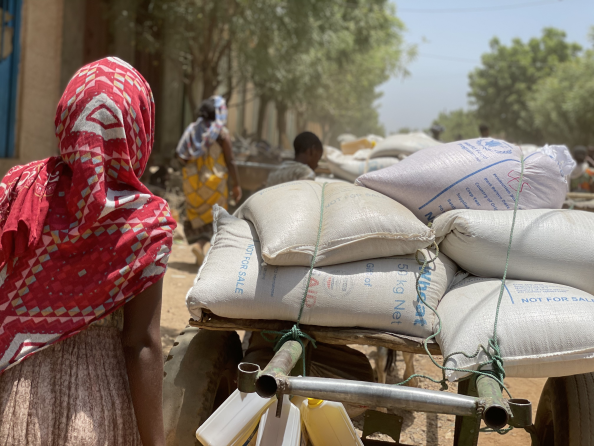
After nearly three years of devastating conflict, Sudan has fallen into what the UN human rights chief describes as “an abyss of unimaginable dimensions.” Yet amid the suffering, he says, the resilience of the Sudanese people endures.

Speaking in Nairobi after a five-day mission to Sudan, Volker Türk, the UN High Commissioner for Human Rights, said he had witnessed “a chronicle of cruelty unfolding before our very eyes”, while also encountering extraordinary courage and solidarity among civilians.

He urged all actors with influence—including regional players and those supplying weapons or profiting from the conflict—to take urgent action to end the war.


A people not broken

Mr. Türk last visited Sudan in November 2022, when he was inspired by civil society leaders, particularly women and young people who led the 2018 revolution.

Today, he said, the war between the Sudanese Armed Forces (SAF) and the Rapid Support Forces (RSF) has affected every part of the country. Yet the core aspirations of the Sudanese people—for peace, justice and freedom—remain intact.

“I bore witness in Sudan to the trauma of unspeakable brutality,” he said,
“but also to the resilience and defiance of the human spirit.”


Young people on the frontlines of aid

During his visit, Mr. Türk met volunteers—many of them young—who are organising and delivering humanitarian assistance under extreme conditions.

Often facing bureaucratic obstruction, detention, and violence, they continue to support their communities.

One volunteer told him:

“The price of war is being paid by young people. Sudanese youth are on the frontlines, serving those most in need.”


Attacks on civilian infrastructure

The High Commissioner strongly condemned attacks on essential civilian infrastructure, including the Merowe dam and hydroelectric power station, which once supplied 70 per cent of Sudan’s electricity.

Repeated drone strikes—attributed to the RSF—against such facilities, he warned, are serious violations of international law and may amount to war crimes.

He called on both parties to immediately halt attacks on:

  • Markets
  • Health facilities
  • Schools
  • Shelters
  • Other objects indispensable to civilian survival

Displacement, grief and shattered childhoods

Mr. Türk met people displaced from El Fasher in North Darfur, now living more than 1,200 kilometres away in camps such as Al Afad.

Among them:

  • A four-year-old child who lost his hearing due to bombardment
  • A three-year-old who no longer smiles
  • A woman who saw her husband and only son killed and remains bedridden from trauma and a gunshot wound

“These are wounds that go far beyond the physical,” he said.


Sexual violence as a weapon of war

The rights chief described systematic sexual violence as one of the most horrifying features of the conflict.

“In Sudan, women and girls’ bodies have been weaponized,” he said.

He shared the testimony of *Aisha (20)**, who was abducted while fleeing El Fasher. Her brother was shot when he tried to protect her, and her mother beaten as she begged the attackers to take her instead.

Sexual violence, Mr. Türk stressed, is being used deliberately as a weapon of war—a grave crime under international law.


Risk of further atrocities

Mr. Türk warned that crimes committed in El Fasher risk being repeated in the Kordofan region, where fighting has intensified.

This comes amid:

  • Famine conditions in Kadugli
  • High risk of famine in Dilling and surrounding areas

He also condemned the growing use of advanced weaponry, including drones, saying it is “despicable” that vast sums are spent on arms instead of relieving civilian suffering.


Militarisation and shrinking civic space

The High Commissioner raised alarm over:

  • Arming of civilians
  • Recruitment and use of children
  • Targeting of journalists and civil society through intimidation and smear campaigns

Such trends, he warned, are accelerating the breakdown of Sudanese society.


A plea to put people first

Mr. Türk concluded by urging all parties to:

  • Protect civilians and civilian infrastructure
  • Guarantee safe passage for those fleeing conflict
  • Allow unimpeded humanitarian access
  • Release civilians detained for alleged “collaboration”
  • Account for missing persons and treat detainees humanely

“I urge all those involved to set aside power games and personal interests,” he said,
“and focus on the common interests of the Sudanese people.”

Human rights, he emphasized, must be central to ending the war and building sustainable peace.

“This is difficult,” he acknowledged,
“but certainly not impossible—with the resilience and power of the Sudanese people.”

*Name changed for protection.

Gaza: Winter Storms Deepen an Already Dire Humanitarian Crisis, UN Warns

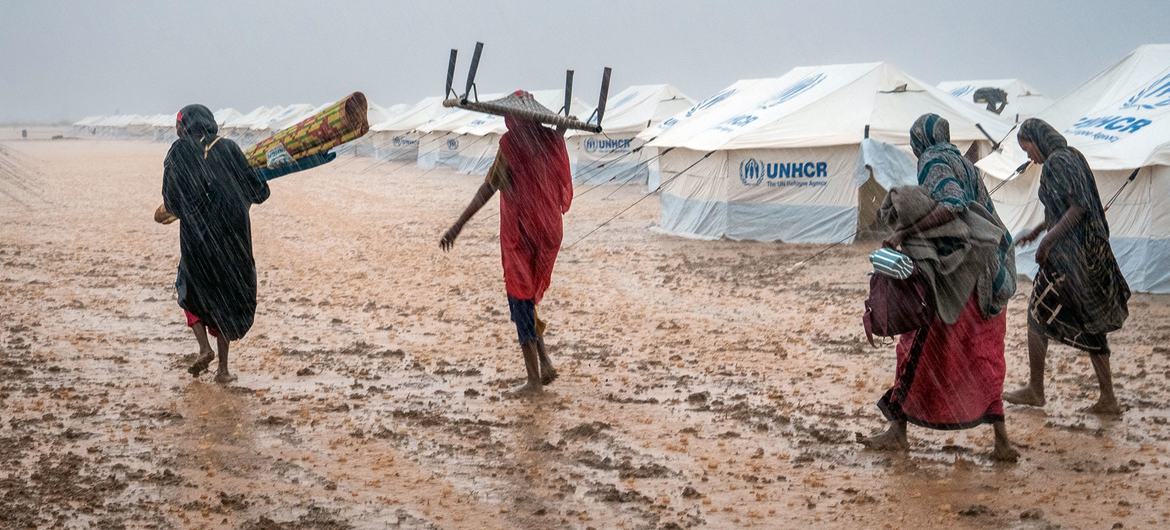
The humanitarian situation across the Gaza Strip remains extremely critical, with severe winter storms threatening to undo recent progress in aid delivery, the United Nations warned on Monday.

Briefing journalists in New York, Stéphane Dujarric, spokesperson for the United Nations Secretary-General, said heavy rains and strong winds are damaging and destroying fragile shelters, leaving tens of thousands of displaced people exposed to cold, mud, and flooding.

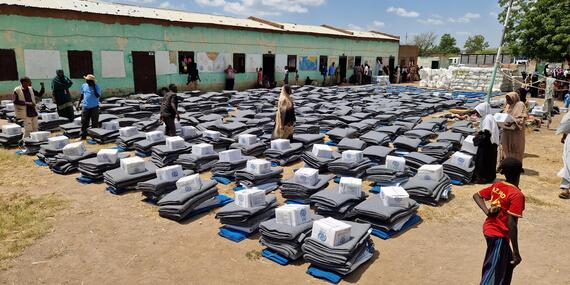
“During the past week, our partners delivered supplies to 28,000 families, including 1,600 tents, 16,000 tarpaulins and 27,000 blankets,” he said, stressing that needs remain overwhelming.


More than a million still in urgent need

Despite ongoing relief efforts, at least 1.1 million people—nearly half of Gaza’s population—continue to require urgent humanitarian assistance as weather conditions worsen.

A new storm that struck on Friday once again flooded makeshift camps, destroying tents and leaving thousands without protection. UN teams and humanitarian partners are assessing damage and prioritising the most vulnerable, but they warn that tents are only a temporary solution.

According to the UN, durable shelter solutions are urgently needed, including:

  • Construction toolkits and building materials
  • Cement and heavy machinery to clear rubble
  • Sustained funding to move from emergency aid to early recovery

Infant deaths linked to hypothermia

Children remain among the hardest hit by the crisis.

Health partners report that another infant has died from hypothermia, bringing the total number of reported weather-related infant deaths to four, all of them very young children, according to figures from Gaza’s Ministry of Health.

Since the ceasefire and through the end of 2025, humanitarian partners have:

  • Distributed over 310,000 winter clothing kits for children
  • Provided 112,000 pairs of shoes
  • Installed 150 specialised tents serving as child-friendly and safe spaces

Malnutrition and health concerns

Nutrition teams screened more than 76,000 children last month alone, identifying:

  • Around 4,900 cases of acute malnutrition
  • Including over 820 cases of severe acute malnutrition

In total, nearly 95,000 cases of acute malnutrition were identified across Gaza during 2025, underscoring the scale of the public-health emergency.


Education under threat

Despite the crisis, education partners continue efforts to protect children’s right to learn.

Last week, 18 new temporary learning spaces opened, supporting about 35,000 students. Gaza now has 440 operational temporary learning spaces, serving approximately 268,000 children.

However, the UN reports that education supplies are still being blocked from entering Gaza by Israeli authorities, who argue that education is not a priority during the first phase of the ceasefire.

“We do believe that it is a critical activity,” Mr. Dujarric said.


A race against time

As winter conditions intensify, UN officials warn that without sustained access, funding, and durable shelter solutions, Gaza’s humanitarian situation could deteriorate even further—especially for children, the displaced, and those already weakened by hunger and illness.

At the Heart of Change: Spotlight Initiative Showcases Breakthroughs in Ending Gender-Based Violence

Putting women and girls “at the heart of every decision” is essential to ending gender-based violence, according to Spotlight Initiative Global Coordinator Erin Kenny.

Since its launch in 2017, the UN–EU partnership has worked across regions to prevent and respond to gender-based violence (GBV), including sexual violence, femicide, human trafficking, and labour exploitation.

The urgency remains stark: one in three women worldwide has experienced physical or sexual violence, with even higher rates in some countries.

A new Spotlight report highlights how community-driven, survivor-centred approaches are delivering real change.


Empowerment and Inclusion in Zimbabwe

In rural Zimbabwe, Ndakaitei Matare, a woman with a physical disability, is helping transform lives by leading disability support groups that raise awareness about GBV, rights, and inclusion.

Through a partnership between Spotlight and the government, women with disabilities—long excluded from services—are now organizing, sharing knowledge, and advocating for equal access to education, healthcare, and economic opportunities.

“We are capable of doing a lot if we unite and work together,” Matare said.


Improved Access to Justice for Survivors

Spotlight has strengthened survivor-friendly justice systems, expanding Victim-Friendly Courts that provide safe, supportive spaces for women and children.

In Zimbabwe, judicial authorities now offer transport and food allowances to survivors and have expanded courts equipped with separation rooms, reducing retraumatisation and barriers to justice.


Supporting Child Survivors in Haiti

In Haiti, Spotlight has supported survivors like Taïna, who was kidnapped and raped by gang members at age 15.

With Spotlight’s support, she received medical care, trauma counselling, safe housing, education support, livelihood training, and emergency relocation.

“In this environment, I could finally breathe,” she said.

Despite the scale of violence—more than one in three Haitian women has experienced partner violence—Spotlight’s integrated services are helping survivors rebuild their lives and futures.


Protecting Migrant Women Workers in Thailand

Women migrant workers remain among the most vulnerable to exploitation.

In Thailand, Spotlight has helped women like Namwaan, who migrated from Myanmar and endured long hours, low pay, and abuse in factory work.

Through awareness campaigns, airport help desks, and training for service providers, women migrant workers are learning about their rights and how to seek help.

“This programme gives millions of women hope for decent work free from violence,” Namwaan said.


Ending Corporal Punishment in Tajikistan

In 2023, Tajikistan became the 66th country worldwide to ban corporal punishment—an achievement supported by Spotlight.

The initiative helped establish:

  • 15 victim support rooms offering medical, psychological, and referral services
  • Community-level prevention, including religious leaders as advocates for gender equality
  • A national school incident-reporting mechanism, now adopted by the government and set to expand nationwide by 2030

A Proven Model for Lasting Change

Across continents, Spotlight’s work shows that lasting change happens when women and girls lead, institutions are strengthened, and communities are engaged.

By centring survivors, building inclusive systems, and shifting harmful norms, the initiative demonstrates that ending gender-based violence is not only possible—but already underway.

Global Economy Shows Resilience but Growth Remains Subdued, UN Report Finds

The global economy has shown notable resilience over the past year despite trade tensions, shifting policies, and geopolitical uncertainty. However, growth remains weak and well below pre-pandemic levels, according to the UN’s flagship World Economic Situation and Prospects 2026 report, released on Thursday.

The report projects global economic growth of 2.7 per cent in 2026, slightly below the 2.8 per cent recorded in 2025 and far under the pre-pandemic average of 3.2 per cent.

While the sharp rise in United States tariffs created new trade frictions, the absence of broader escalation helped prevent major disruptions to global commerce, the report noted.


Resilience masks deeper vulnerabilities

Short-term resilience has been supported by solid consumer spending, easing inflation, and looser financial conditions. Yet the UN warns that structural weaknesses persist.

Low investment levels, tight fiscal space, and elevated uncertainty could lock the global economy into a prolonged period of slower growth than before the COVID-19 pandemic.

Although trade tensions have eased somewhat, the full impact of higher tariffs and macroeconomic uncertainty is expected to become more visible in 2026.

Financial conditions have improved due to monetary easing, but risks remain high—particularly from elevated asset prices, especially in sectors linked to rapid advances in artificial intelligence (AI).


Developing countries under pressure

High debt levels and borrowing costs continue to constrain many developing economies.

UN Secretary-General António Guterres warned that:

“A combination of economic, geopolitical and technological tensions is reshaping the global landscape, generating new economic uncertainty and social vulnerabilities.”

He cautioned that many developing countries are still struggling, putting progress toward the Sustainable Development Goals (SDGs) at serious risk.


Uneven regional outlook

The report highlights significant regional disparities:

  • United States: Growth projected at 2.0% in 2026 (up from 1.9% in 2025), supported by monetary and fiscal easing, though labour-market softening may weigh on momentum.
  • European Union: Growth expected at 1.3%, down from 1.5%, as higher US tariffs and geopolitical uncertainty weaken exports.
  • East Asia: Growth projected at 4.4%, down from 4.9%, with China expected to grow 4.6%, supported by targeted policy measures.
  • South Asia: Growth forecast at 5.6%, led by India’s 6.6% expansion, driven by strong consumption and public investment.
  • Africa: Output projected at 4.0%, a slight improvement, but debt and climate shocks remain major risks.
  • Latin America & Caribbean: Growth expected at 2.3%, reflecting moderate consumer demand and cautious investment recovery.

Trade slows as uncertainties persist

Global trade expanded by a stronger-than-expected 3.8 per cent in 2025, driven by early shipment front-loading and robust services trade. However, momentum is expected to slow, with trade growth projected at 2.2 per cent in 2026.

Investment remains subdued across most regions due to geopolitical tensions and limited fiscal capacity, though AI-driven capital spending has boosted investment in some large economies.

The report cautions that AI-related gains may be unevenly distributed, potentially widening existing inequalities.


High prices still hurting the vulnerable

While inflation continues to decline globally, high prices remain a major challenge.

  • Headline inflation fell from 4.0% in 2024 to 3.4% in 2025
  • It is projected to ease further to 3.1% in 2026

Despite this trend, Junhua Li, UN Under-Secretary-General for Economic and Social Affairs, warned:

“Even as inflation recedes, high and still rising prices continue to erode the purchasing power of the most vulnerable.”

He stressed the need to protect essential spending, strengthen competition, and address the structural causes of recurring price shocks.


Call for coordinated global action

The report urges stronger international coordination to address trade realignments, persistent inflation pressures, debt vulnerabilities, and climate-related shocks.

It highlights that poorer countries, landlocked developing States, and small island developing States remain especially constrained and require greater international support.

As a roadmap, the report points to the Sevilla Commitment, adopted at the Fourth International Conference on Financing for Development, as a blueprint for:

  • Reforming the global financial architecture
  • Scaling up development finance
  • Strengthening multilateral cooperation

‘Do Not Give Up on Children’: Displaced by Violence, a Haitian Girl Finds Hope at School

Forced to flee her home due to gang violence in Haiti’s capital, 13-year-old Dieussika has a simple but powerful message for adults and leaders: “Do not give up on children.”

Dieussika was living peacefully with her family in Port-au-Prince when escalating insecurity forced them to flee. During the chaos, her sister nearly died after suffering a severe asthma attack.

“We had to leave our home,” she said. “But despite everything, I wanted to continue going to school.”


A country in crisis

Haiti remains gripped by a severe security crisis, with armed gangs battling for territorial control across the capital and beyond. The violence has displaced hundreds of thousands of people, worsening an already fragile humanitarian and economic situation.

For children, the impact has been devastating. During the 2024–2025 school year, more than 1,600 schools were closed, while dozens were damaged or occupied by armed groups. In displacement sites and overcrowded shelters, children often lack textbooks, learning materials, and trained teachers, making education nearly impossible.


Life in displacement

Dieussika and her family moved between multiple temporary shelters, facing poor sanitation, insects, and illness.

“There are diseases and insects that bite,” she said. “But I still wanted to go to school.”

At one displacement site, she was finally able to resume learning through catch-up classes organised by the United Nations Children’s Fund (UNICEF).

One night, heavy rain soaked her belongings, destroying her books and clothes. Dieussika spent the entire night drying them—determined not to miss school.

“School means so much to me. Without education, my dream would be lost.”


School as a lifeline

With five months of accelerated learning supported by Education Cannot Wait, the UN’s global fund for education in emergencies, Dieussika was able to sit for her exams and return to formal schooling.

Alongside academic lessons, she also received vocational training in crochet, leatherwork, and cosmetology—skills that helped rebuild her confidence.

“I had lost hope,” she said. “But these classes gave me confidence again.”

Her favourite subjects are French and mathematics, and she says she feels proud each time she brings good grades home to her parents.


Dreams rebuilt through learning

Now back in school, Dieussika actively participates in class and dreams of becoming someone who can help children and raise awareness about rejecting armed violence.

“Without school, we cannot achieve our dreams,” she said. “I want to become someone important to help people.”

Her message to decision-makers is heartfelt and direct:

“Do not give up on children. Love them even more and give them opportunities to learn and dream.”


Education under threat—but hope remains

Across Haiti, many adolescent girls drop out of school due to safety risks, caregiving responsibilities, or lack of menstrual hygiene supplies.

Despite these challenges, UN agencies and partners, working with Haitian authorities, have provided educational and psychosocial support to more than 17,500 children, including 10,500 girls.

For Dieussika—and thousands like her—education is more than learning. It is protection, hope, and a pathway out of fear.

At UN, Nations Pledge a People-First Digital Future and Stronger AI Safeguards

UN Member States have pledged to close widening digital divides and introduce stronger safeguards around artificial intelligence (AI), as the UN General Assembly concluded a major global review of digital governance and technology cooperation.

The high-level meeting marked the close of the WSIS+20 review, assessing two decades of progress since the launch of the World Summit on the Information Society (WSIS)—a UN-led process created in the early 2000s when internet access was still limited to a small share of the world’s population.

Today, delegates said the challenge is no longer simply connecting people, but ensuring that rapidly evolving digital technologies—especially AI—are governed in ways that protect human rights, build trust, and promote inclusion.


Why WSIS Still Matters

WSIS was launched in 2003 to guide international cooperation on information and communication technologies (ICTs), using a multi-stakeholder approach that brings together governments, the private sector, civil society, academia, and technical experts.

That model remains central today as digital technologies shape nearly every aspect of life—from economies and education to healthcare and public services—while millions remain digitally excluded.


Digital Divides Are Growing

Addressing the General Assembly, its President Annalena Baerbock warned that although internet access is now essential, progress remains uneven.

Globally, around two-thirds of people are online, but access is far lower in many developing countries. Women and girls continue to be disproportionately excluded.

“Two decades later, our shared vision of a people-centred, inclusive and development-oriented information society remains unfinished,” she said.

She stressed that access alone is insufficient, highlighting the urgent need for responsible governance of AI and emerging technologies, particularly as innovation continues to outpace regulation.


New Commitments for a Human-Centred Digital Era

The meeting concluded with the adoption of an outcome document reaffirming a commitment to a people-centred digital future rooted in human rights and the UN Charter.

Key priorities include:

  • Accelerating efforts to close digital divides
  • Investing in digital infrastructure and skills
  • Creating stable and predictable digital policy environments
  • Strengthening data governance and AI safeguards

The document builds on commitments under the Global Digital Compact and calls for enhanced international cooperation on AI capacity-building, particularly for developing countries. This includes training programmes, access to technical resources, and support for small and medium-sized enterprises.

Member States also agreed to:

  • Establish an Independent International Scientific Panel on AI
  • Launch a Global Dialogue on AI Governance in 2026

Industrialisation Without Destruction: A UN Blueprint for the Future

Since the 19th century, industrialisation has reshaped societies—creating jobs, boosting productivity, and lifting millions out of poverty. Yet it has also fuelled environmental degradation, polluted air and water, and accelerated the climate crisis now threatening communities worldwide.

According to the United Nations Industrial Development Organization (UNIDO), this destructive trajectory is not inevitable. With the right policies, technologies, and partnerships, industrial development can be inclusive, resilient, and environmentally sustainable.

Speaking at the Global Industry Summit in Riyadh, Fatou Haidara, UNIDO’s Deputy Director-General for Global Partnerships and External Relations, explained how the agency’s mission has evolved as it approaches its 60th anniversary.


From Pollution to Transformation

When UNIDO was founded in 1966, industry was widely viewed as a major polluter and industrial policy carried negative connotations. Today, Haidara said, industrialisation is understood as a systemic process—from policymaking and institutional capacity-building to supporting small and medium-sized enterprises (SMEs).

This complexity means no single actor can succeed alone.

“The crucial element is partnerships,” she said, highlighting collaboration with governments and the private sector to create the right conditions for sustainable investment and modern technologies.

At the heart of UNIDO’s work lies a dual imperative: protect the planet while lifting as many people as possible out of poverty.


Supporting Development Amid Conflict

Unlike many institutions, UNIDO continues operating even in conflict-affected countries such as Sudan. Haidara stressed that these are precisely the situations where development support is most needed.

By working remotely with governments on industrial strategies and long-term planning, UNIDO helps lay the groundwork for recovery—even when direct field operations are impossible.


Tailored Climate-Smart Industrial Strategies

Environmental sustainability is central to UNIDO’s approach, but Haidara emphasized that there is no one-size-fits-all solution.

  • In some countries, the priority is access to energy
  • In others, it is decarbonising heavily polluting industries
  • Elsewhere, the focus may be energy efficiency or clean technologies

Climate considerations are embedded across all strategies, adapted to each country’s development stage and industrial profile.


Why UNIDO—and the UN—Still Matter

Responding to critics who question the relevance of UN institutions, Haidara argued that the UN is more necessary than ever.

“We are living in a rapidly changing world facing multiple crises. The UN is a neutral, multilateral platform where countries can talk to each other.”

UNIDO’s unique strength, she added, lies in its ability to integrate economic growth, environmental protection, and social inclusion, drawing on six decades of global experience and best practices.

“We are not a humanitarian institution,” Haidara concluded, “but we remain on the side of the people.”

Myanmar Elections Marked by Fear as UN Warns Civilians Are Coerced From All Sides

As Myanmar heads toward elections scheduled for 28 December, the United Nations has warned that civilians are being coerced and intimidated from multiple directions, leaving no space for free or meaningful political participation.

The UN High Commissioner for Human Rights, Volker Türk, said the military-controlled vote is taking place in a climate of violence, repression, and fear, with civilians pressured by the authorities to participate while armed opposition groups threaten those who do.

“These elections are clearly taking place in an environment of violence and repression,” Türk said, stressing that conditions do not exist for the exercise of freedom of expression, association, or peaceful assembly.


A Vote Under Military Control

The first phase of voting is being organised by Myanmar’s military authorities more than four years after the 2021 coup, which dismantled the elected government, dissolved major political parties, and jailed thousands of political opponents.

Senior political figures remain imprisoned, including former State Counsellor Aung San Suu Kyi.

Since the coup, Myanmar has descended into widespread armed conflict, mass displacement, and economic collapse—conditions further aggravated by powerful earthquakes in March 2025, which intensified humanitarian needs across the country.


Dissent Criminalised

According to the Office of the United Nations High Commissioner for Human Rights (OHCHR), dozens of people have been detained in recent weeks under a new “election protection law” aimed at silencing criticism.

Among the most severe cases:

  • Three young people in Yangon’s Hlaingthaya Township were sentenced to 42–49 years in prison for hanging anti-election posters.
  • Prominent cultural figures—including film director Mike Tee, actor Kyaw Win Htut, and comedian Ohn Daing—were each jailed for seven years after criticising a pro-election propaganda film.

Displaced communities face additional pressure. OHCHR reports that internally displaced people in areas such as Mandalay Region were warned their homes could be seized or airstrikes would continue if they failed to return to vote.

“Forcing displaced people to undertake unsafe and involuntary returns is a human rights violation,” Türk said.


Threats From Armed Opposition Groups

At the same time, armed groups opposing the military have issued their own warnings against participation.

In mid-November, nine women teachers travelling to ballot-training sessions in Mon Region were reportedly abducted and later released with threats not to engage in the election process. In Yangon, a group calling itself the “Yangon Army” carried out bomb attacks on local administrative offices involved in election preparations, injuring election staff and vowing further assaults.

UN officials have also raised alarm over the introduction of electronic-only voting, combined with expanded surveillance systems using artificial intelligence and biometric tracking, warning these tools could further erode trust and facilitate repression.


Diplomatic Efforts Continue

At UN Headquarters, spokesperson Stéphane Dujarric said the UN Special Envoy for Myanmar, Julie Bishop, recently completed her third visit to the country.

During the visit, she again met with junta leader Senior General Min Aung Hlaing, urging an end to violence to allow humanitarian access and recovery. She also briefed the UN Security Council in closed consultations on the deteriorating situation.


Fears of Deepening Instability

UN officials have repeatedly cautioned that the planned vote is unlikely to restore democracy. Instead, they warn it may entrench instability and prolong conflict.

In October, the Secretary-General cautioned that elections held under current conditions risk “further exclusion and instability”—a warning that UN human rights officials say remains highly relevant.