
Category Archives: Topics

Historic Global Deal Reached to Slash Shipping Emissions

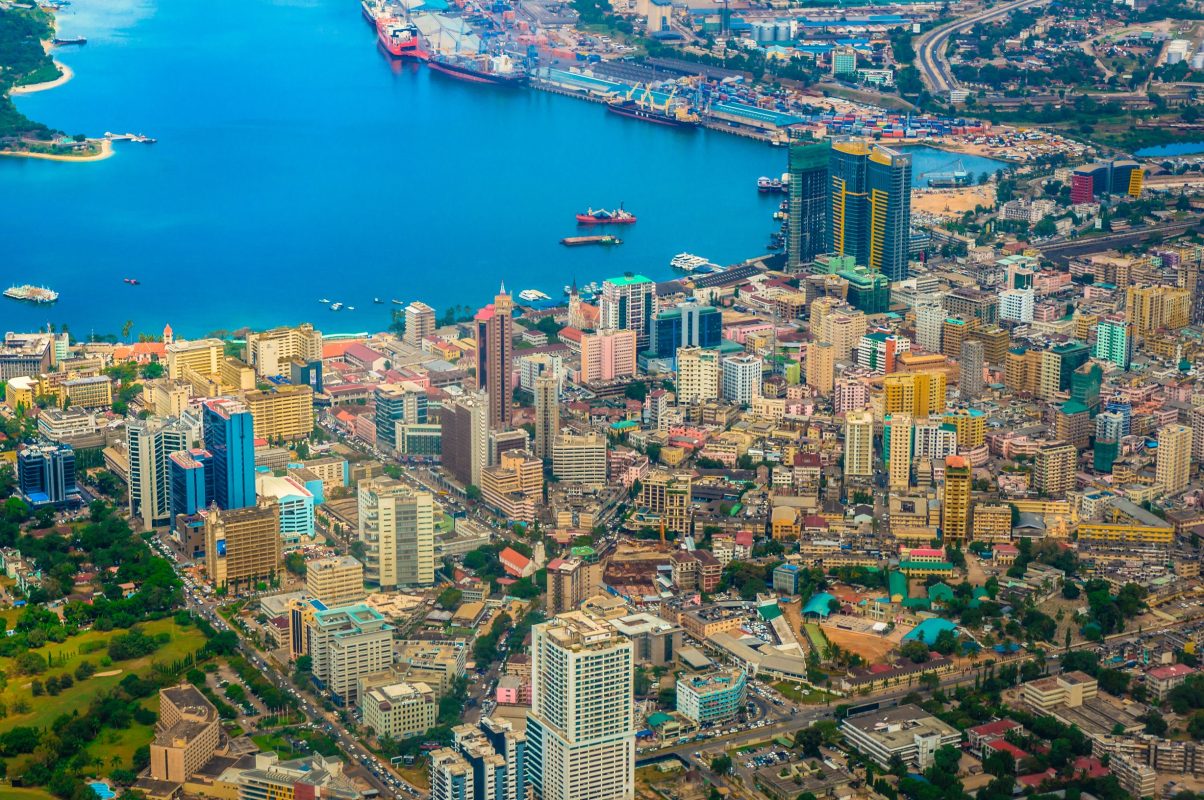
In a landmark achievement for climate action, countries have agreed on a new international framework to dramatically cut greenhouse gas emissions from the global shipping industry. After years of negotiations, the agreement was finalized during the latest session of the UN International Maritime Organization (IMO) Marine Environment Protection Committee.

The plan sets ambitious targets: achieving net-zero emissions from maritime shipping by 2050, with formal adoption expected in October 2025 and implementation starting in 2027.


Key Elements of the New Framework

The new measures, which will apply to large vessels over 5,000 gross tonnage (responsible for 85% of maritime CO₂ emissions), include:

  • Mandatory global fuel standards: Shipping companies must progressively lower the greenhouse gas intensity of their marine fuels.
  • Industry-wide carbon pricing: High-emission vessels will be required to purchase “remedial units” to offset their excess emissions, while ships using near-zero or zero-emission technologies will benefit from financial rewards.

This dual system is designed to create strong market incentives for the transition toward cleaner fuels and sustainable shipping practices.


Challenges and Breakthrough

Negotiations in London were intense. Some countries, including the United States, initially opposed the proposal. However, after a decisive vote, the framework passed, signaling a historic shift for the shipping industry.

“The approval of the net-zero framework is a major milestone,” said IMO Secretary-General Arsenio Dominguez, praising the global collaboration that made the agreement possible.
“This demonstrates the IMO’s commitment to modernizing shipping and addressing climate change.”


Supporting Developing Nations

A significant feature of the framework is the creation of the IMO Net-Zero Fund. Financed by revenues from the carbon pricing mechanism, this fund will:

  • Support innovation and infrastructure for greener shipping, especially in developing countries.
  • Mitigate the economic impact on vulnerable nations, such as small island developing States (SIDS) and least developed countries (LDCs), which are disproportionately affected by climate change.

What’s Next?

  • Formal Adoption: Final ratification of the agreement is scheduled for October 2025 during the next IMO session.
  • Implementation: New standards and mechanisms will officially take effect in 2027, allowing the industry time to transition and invest in new technologies.

About the IMO

Founded in 1948 and based in London, the International Maritime Organization is the UN’s specialized agency tasked with ensuring the safety, security, and environmental sustainability of global shipping. It is behind key international treaties like SOLAS (Safety of Life at Sea) and MARPOL (Prevention of Pollution from Ships).


This landmark decision is expected to reshape the future of global shipping, accelerating the sector’s transition toward sustainability while providing critical support to nations most at risk from the impacts of climate change.

The Chinamperos of Xochimilco: Can This Ancient Farming Tradition Survive?

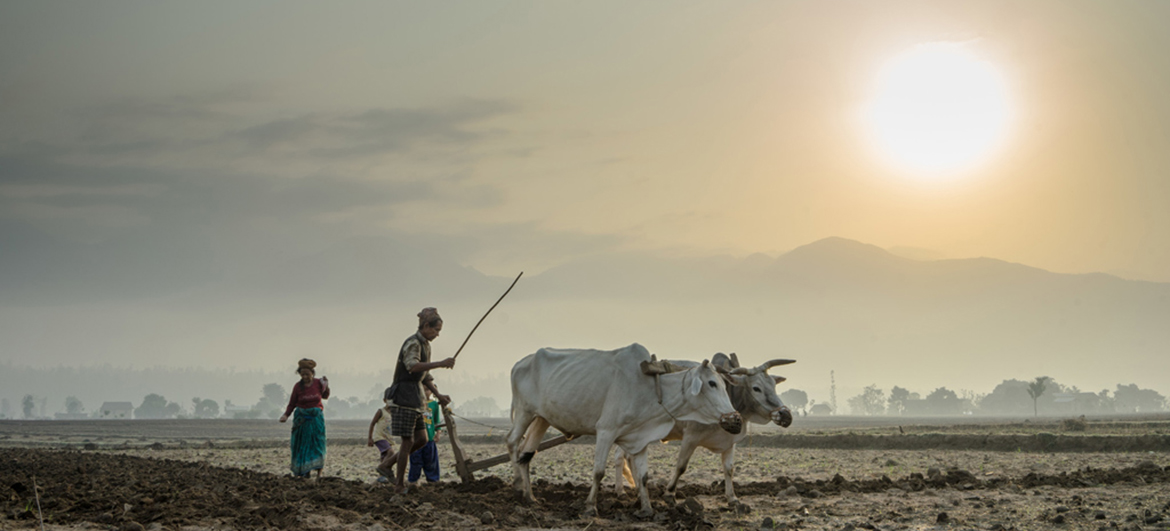
In the heart of Mexico City, a centuries-old agricultural tradition is fighting for survival. The chinamperos of Xochimilco, farmers who cultivate crops on floating gardens called chinampas, have been sustaining the city for generations. But today, urban sprawl, environmental degradation, and climate change are threatening their ancestral way of life.

Ahead of the release of the 2025 Interconnected Disaster Risks report, a team from the United Nations University visited Xochimilco to hear firsthand how the chinamperos are working to preserve their heritage.


A Rich Agricultural Legacy

The practice of creating chinampas dates back to the Aztecs, who ingeniously layered mud, plants, and branches over shallow lake beds to form fertile floating islands. This system created a unique and sustainable method of farming, resulting in a sprawling network of nearly 180 kilometers of canals and gardens.

“I was born and raised in Xochimilco,” says Lauro Rivera, a 72-year-old beekeeper. “This place exists because of the hard work of our ancestors. They built the chinampas and anchored them with trees like the ahuejote. Their efforts still shape the land today.”


Modern Challenges for Ancient Traditions

While the chinampas once teemed with freshwater clams, fish, turtles, and axolotls, pollution and water scarcity have taken a toll.

“There were even freshwater clams here,” recalls Samuel Luna, a 67-year-old vegetable farmer. “Now we are trying to return to more eco-friendly farming methods with fewer pesticides. Maybe we can’t bring everything back, but we can preserve what remains.”

Today’s chinamperos, like Samuel’s grandson Eric Enríquez, are determined to continue the tradition, even as climate change makes farming unpredictable.

“You no longer know when it will rain or when it will be cold,” Eric explains. “Technology offers solutions, but not everyone can afford the necessary tools. Farming the chinampas is hard, beautiful work—and we can’t let it disappear.”


Preserving a Way of Life

The chinampa tradition is not only about food production but also about cultural identity. Mariana Cruz, a 29-year-old historian, highlights the vital role women have played in this heritage.

“My great-grandmother farmed the chinampas. She and many women worked alongside men to build this community,” Mariana shares. “There’s a stereotype that farming equals poverty, but we are proud to come from chinamperos. Their work is as vital as that of any doctor.”

She believes education is key to preserving Xochimilco’s importance, teaching others why protecting its canals, water systems, and agricultural legacy matters not just for locals but for the entire city’s future.


A Future in the Balance

The chinamperos stand at a crossroads. Without significant efforts to protect the environment, revitalize traditional farming, and attract new generations to agriculture, a vital part of Mexico City’s cultural and ecological heritage could vanish.

Their story is a reminder that sustainability, resilience, and respect for ancestral knowledge are critical—not just for the chinamperos, but for all communities facing the growing impacts of climate change.

Myanmar Earthquake Survivors Face Rising Health Crisis Amid Pre-Monsoon Rains

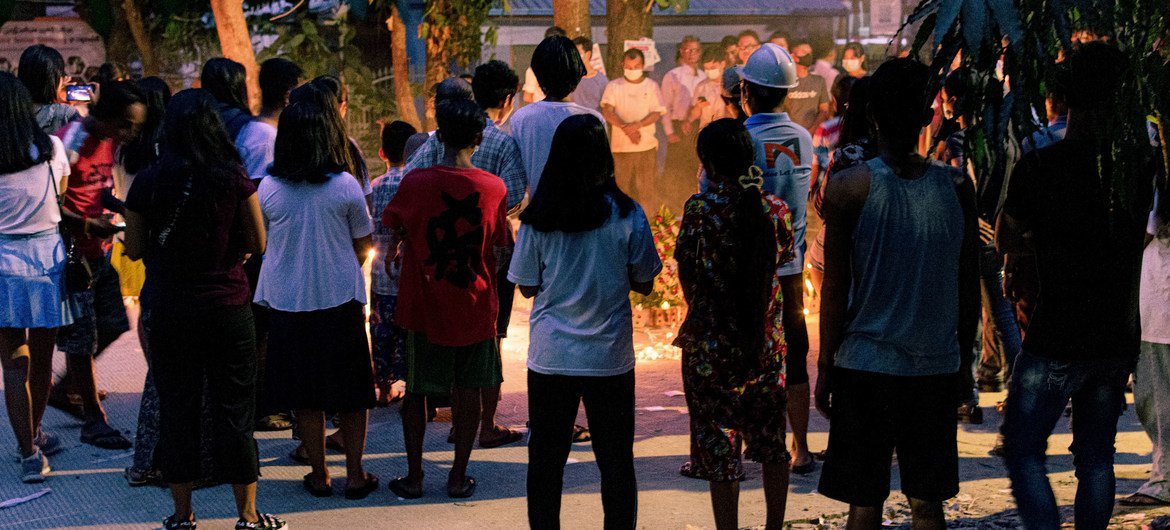
One month after the devastating earthquakes struck central Myanmar, tens of thousands of survivors are still living in fragile conditions, with destitution, disease, and despair stalking their daily lives, according to United Nations agencies on the ground.

With many families still sheltering under makeshift tents of plastic sheeting, vulnerable communities are now facing pre-monsoon storms, stagnant water, and increasing risks of waterborne diseases.


Living in Fear and Hardship

Describing the grim situation, Dr. Thushara Fernando, WHO Representative in Myanmar, said:

“When it rains, they can’t sleep. When the rain stops, they still can’t sleep because they fear the wind might blow their only shelter away.”

He warned that contaminated water sources, overwhelmed toilets, and the absence of basic protection like mosquito nets are exposing survivors to cholera, dengue, and acute watery diarrhoea. A cholera outbreak had already been reported in Mandalay prior to the earthquakes.


The Humanitarian Toll

The earthquakes, which struck on 28 March 2025, killed at least 3,700 people, injured 5,100, and left 114 still missing, though actual numbers are feared to be much higher due to underreporting.
Since the initial quake, survivors have endured over 140 aftershocks, some as strong as magnitude 5.9, adding to trauma and complicating relief efforts.


WHO and UNICEF Response Efforts

To meet the urgent needs:

  • WHO has delivered around 170 tonnes of emergency medical supplies, supporting 450,000 people for at least three months.
  • More than 220 emergency medical teams have been deployed to the earthquake-affected zones.
  • Dengue prevention initiatives are underway, with 4,500 rapid diagnostic kits and hundreds of insecticide-treated nets distributed.

Despite these efforts, services such as trauma care, mental health support, and maternal health services are operating at a very limited scale due to funding shortfalls.

“Without urgent, sustained funding, the risks of secondary health crises will erupt,” warned Dr. Fernando.

UNICEF also raised alarms about deteriorating conditions:

  • Access to food, healthcare, and clean water remains severely disrupted.
  • Early signs of acute watery diarrhoea are emerging.
  • Malnutrition rates are worsening, particularly among young children.
  • Low immunization coverage threatens to spark preventable disease outbreaks, particularly as monsoon rains approach.

Urgent Action Needed

As Myanmar’s earthquake survivors brace for even harsher conditions during the coming monsoon season, UN agencies are calling for immediate international support to prevent a full-scale humanitarian health disaster.

“Urgent action is needed to protect children and families already on the brink,” said Eliana Drakopoulos from UNICEF.

The situation remains critical—and without expanded funding and humanitarian access, Myanmar could soon face secondary health crises that would claim even more lives.

Global Inequality Deepens as Billions Struggle Amid Rising Insecurity, Warns New UN Report

A new United Nations report warns that economic uncertainty, conflict, and climate shocks are plunging billions of people into deeper insecurity, fueling a collapse of trust in governments and institutions worldwide.

According to the World Social Report 2025, launched Thursday, fear of job loss and financial instability is no longer confined to poorer regions—it’s now a global phenomenon impacting every corner of the world.

Despite historic gains in education, healthcare, and technology, many people today feel worse off than previous generations, with nearly 60% of surveyed individuals saying they are “struggling” and another 12% describing themselves as “suffering.”


Global Instability: A New Normal

The report highlights a growing sense of vulnerability across all income levels:

  • Even in high-income countries, gig work and the digital economy are creating jobs that offer flexibility at the cost of security, rights, and long-term stability.
  • Informal employment dominates in many low- and middle-income countries, leaving millions trapped in low-wage, precarious work without social protections.
  • More than 2.8 billion people live on less than $6.85 per day, where any minor economic shock can force families back into extreme poverty.

The challenges are made worse by the increasing impact of climate change, armed conflicts, and widening inequality, particularly across developing regions.


Trust in Freefall

As economic pressures mount, public trust in institutions is crumbling:

  • 57% of the global population now expresses low confidence in their governments.
  • Among younger generations, trust levels are even lower, sparking fears of long-term civic disengagement.
  • Fewer than 30% of people believe that most others can be trusted, eroding social cohesion and making collective action even harder.

The UN report also highlights the toxic role of misinformation spread through digital platforms, where algorithm-driven echo chambers amplify division and radicalize opinions.


A Call for Bold, People-Centered Policies

The World Social Report 2025 calls for urgent action to reverse these damaging trends:

  • Invest in public services: education, healthcare, housing, and social protection must be strengthened.
  • Rebuild trust: by creating inclusive, accountable institutions that genuinely represent and serve their people.
  • Address inequality: by ensuring wealth and power are distributed more fairly across societies.

These steps are essential not just for economic recovery, but for rebuilding public confidence and ensuring inclusive, sustainable growth.


The Path Forward: Global Unity Needed

In his foreword to the report, UN Secretary-General António Guterres emphasized that today’s interconnected challenges can only be solved through collective action:

“Now more than ever, we must strengthen our resolve to come together and build a world that is more just, secure, resilient, and united for each and every one of us.”

As the world prepares for the Second World Summit for Social Development in Doha this November, global leaders are being urged to prioritize solidarity, economic security, and renewed multilateral cooperation to build a better future for all.

Global Trust Eroding as Job Fears Surge, Warns UN World Social Report 2025

Billions around the globe are grappling with economic instability, conflict, and climate shocks, leading to widespread fear over job security and a collapse in trust toward institutions and each other, according to the World Social Report 2025, launched by the United Nations on Thursday.

Despite advances in education, longevity, and connectivity, many people believe life today is worse than it was 50 years ago, with close to 60% of those surveyed reporting that they are “struggling” and 12% describing themselves as “suffering.”


Key Findings of the Report

Economic Insecurity Across All Income Levels

  • Job instability is now a global issue, not confined to low-income regions. Even in wealthier nations, the rise of gig work and digital transitions has led to precarious, low-security jobs.
  • Informal employment remains dominant in many middle- and low-income countries, offering little to no safety nets like healthcare, pensions, or job protections.
  • Over 2.8 billion people live on less than $6.85 per day, meaning even minor financial shocks can trigger a return to extreme poverty.

Impact of Climate Change and Conflict

  • Climate disasters and armed conflicts are undermining local economies, deepening inequality, and further destabilizing job markets—especially in the developing world.

Collapse of Trust in Institutions and Society

The report paints a bleak picture of waning trust globally:

  • 57% of the world’s population now expresses low confidence in their governments.
  • Among young people—those born after 2000—trust levels are even lower, raising serious concerns about future civic engagement and political stability.
  • Only 30% of people in surveyed countries believe that most others can be trusted.

The report also links the rise of misinformation and disinformation, exacerbated by social media algorithms, to further division, radicalization, and the erosion of public trust.

“The spread of misinformation, facilitated by digital technologies, is reinforcing divisions and fuelling distrust,” the report warns.


A Call for Bold Policy Reforms

To reverse these dangerous trends, the UN report calls for ambitious and equity-driven policy actions, emphasizing:

  • Investment in public services such as education, healthcare, housing, and social protection.
  • Strengthening inclusive, accountable institutions to rebuild public trust.
  • Redistributing wealth and power, reducing the extreme concentration of resources at the top of societies.

“These investments are not optional—they are essential for promoting resilience and inclusive growth,” the report stresses.


A Collective Response to Global Challenges

Ahead of the Second World Summit for Social Development in Doha this November, the UN underscores the urgency of collective action.

In a foreword to the report, UN Secretary-General António Guterres called for decisive leadership:

“The global challenges we face demand collective solutions. Now more than ever, we must strengthen our resolve to come together and build a world that is more just, secure, resilient, and united for each and every one of us.”


For continued coverage of the World Social Report 2025, major global summits, and efforts to tackle inequality, insecurity, and climate change, stay connected to our platform. We bring you trusted insights into how today’s challenges can be met with bold, collaborative action.

Sudan: 15 Million Children Now in Need of Aid as Conflict Enters Third Year

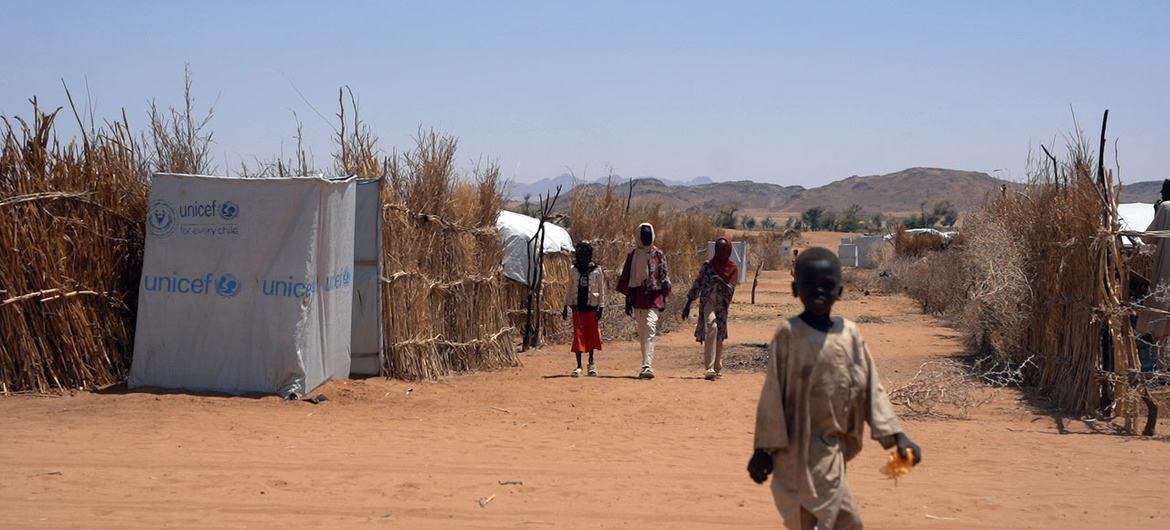
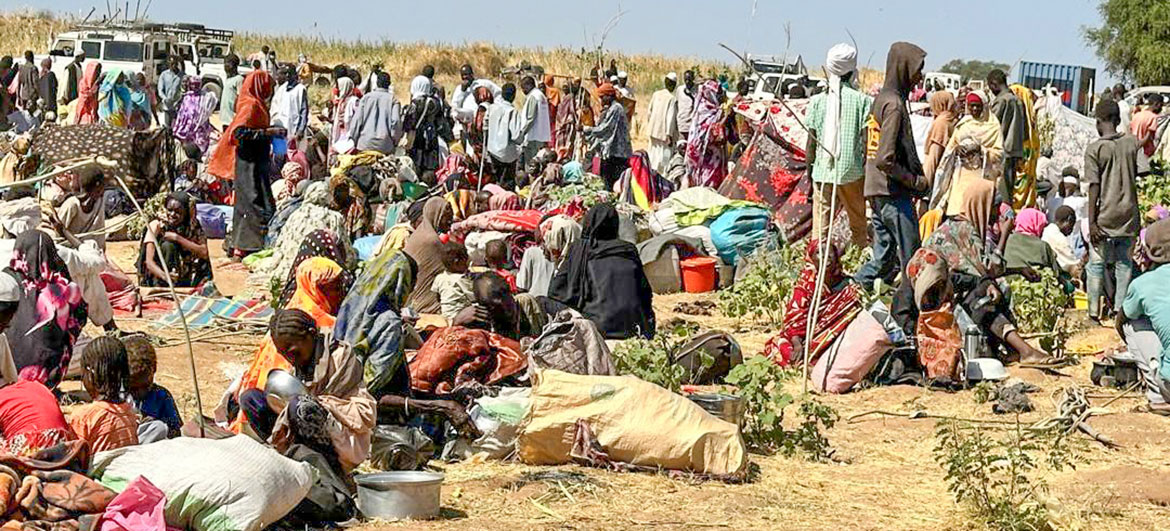
As Sudan’s brutal civil war enters its third year, the number of children requiring urgent humanitarian support has doubled to 15 million, according to a new warning from the UN Children’s Fund (UNICEF). This alarming figure underscores the intensifying humanitarian catastrophe in what is now the world’s largest child displacement crisis.

Rising Humanitarian Needs Amid Ongoing Conflict

Since fighting broke out in April 2023 between the Sudanese Armed Forces (SAF) and the Rapid Support Forces (RSF), violence, disease, and displacement have surged. With the rainy season approaching in May, UNICEF warns that delivering aid will become even more difficult, especially for children already suffering from malnutrition, disease, and trauma.

“With the rainy season around the corner, children who are already reeling from malnutrition and disease will be harder to reach,” said UNICEF Executive Director Catherine Russell. “We must act now.”

Key Figures and Trends

  • 15 million children need humanitarian assistance (up from 7.8 million in 2023).
  • 30 million people in total require aid in Sudan this year.
  • 12.4 million displaced, including millions of children, nearly a third under the age of five.
  • 90% of children are currently out of school.
  • Famine confirmed in 10 areas, with more at risk.
  • Over 49,000 cholera and 11,000 dengue fever cases reported last year, mostly impacting children and mothers.
  • Grave violations against children—including killings, abductions, and attacks on schools and hospitals—have increased tenfold and now span more than half of Sudan’s 18 states.

UNICEF’s Appeal and Response

UNICEF is urgently calling for $1 billion to fund its operations in Sudan for 2025. That’s just 26 cents per day per person, yet only $266.6 million is currently available—most of which was carried over from 2024. A mere $12 million in new funding has been received this year.

Despite these constraints, UNICEF’s 2024 impact included:

  • Supporting 2.7 million children and caregivers with psychosocial, educational, and protection services.
  • Providing safe drinking water to nearly 10 million people.
  • Screening 6.7 million children for malnutrition and treating 422,000 with lifesaving support.

Access Barriers and Bureaucratic Delays

Conflict intensity, bureaucratic impediments, and access restrictions imposed by both government forces and armed groups have severely hampered aid delivery. With worsening security and limited humanitarian corridors, many vulnerable populations remain beyond reach.

A Plea for Global Solidarity

UNICEF is urging the international community to act swiftly and decisively:

“Sudan is the biggest humanitarian crisis in the world today, but it is not getting the world’s attention,” said Russell.
“We cannot abandon the children of Sudan. We have the expertise and the resolve to scale up our support, but we need access and sustained funding. Most of all, children in Sudan need this horrific conflict to end.”

Chek more on this topic here

Haiti on the Brink: UN Expert Warns of Worsening Crisis

Haiti is in freefall as gangs tighten their grip on the capital, violence spreads, and the country teeters on the edge of collapse, according to William O’Neill, the UN-designated human rights expert on Haiti.

After his fourth visit to assess conditions, O’Neill briefed journalists at UN Headquarters in New York, painting a dire picture of suffering and despair.

“I hate to sound like a broken record,” he admitted, “but the situation is more dire each time I go.”

Gangs Expand Control Amid Lawlessness

Despite the efforts of the Haitian National Police (PNH) and the Multinational Security Support (MSS) Mission, gang rule is expanding beyond Port-au-Prince, threatening to engulf the entire country.

✔ Gangs kill, rape, and terrorize communities with impunity.
✔ Homes are set on fire, and entire neighborhoods are forced to flee.
Powerful actors may be complicit in enabling gang operations.

“These violent criminal groups infiltrate all spheres of society,” O’Neill warned, raising concerns over corruption at the highest levels.

Harrowing Testimonies: Haiti’s Children at the Center of Crisis

O’Neill shared firsthand testimonies from survivors, including children who have endured unimaginable horrors.

A 16-year-old girl, raped and orphaned by gang violence:
“Seven masked gunmen broke into my home in Kenscoff, raped and beat me and my stepmother. Then they killed my father in front of me.”

Despite her trauma, she still dreams of becoming a psychologist for young survivors. However, resources for victims remain severely inadequate.

A 12-year-old boy, forced into a gang, now in prison:
“I don’t want any more bandits in my country. Later, I’ll be a pilot.”

His words underscore the urgent need for reintegration programs to save children trapped in Haiti’s cycle of violence.

Over a Million Haitians Displaced with Nowhere to Go

Haiti’s crisis has displaced more than a million people, with thousands more fleeing in recent weeks.
IDP camps are overcrowded, with sexual violence and hunger rampant.
Community tensions are rising, as even students have attacked displaced families seeking shelter.

“The desperate are turning against the more desperate,” O’Neill said, describing a nation breaking under the weight of suffering.

A Call for Urgent Action: ‘Haiti’s Survival Is at Stake’

Political unity and solidarity must drive immediate action.
Fighting corruption and impunity is critical to dismantling gangs.
Responses to gang violence must respect human rights, including the right to life.

“There is not a day to lose. There is no alternative,” O’Neill declared.
“Haiti’s survival is at stake.”

What’s Next?

The UN, regional allies, and international organizations must step up efforts to:
✔ Provide security and humanitarian aid to displaced populations.
✔ Strengthen law enforcement and justice to combat criminal networks.
✔ Invest in rebuilding communities and supporting survivors.

Haiti stands at a breaking point, and the world cannot afford inaction.

Ukrainians Continue to Flee as War Enters Fourth Year

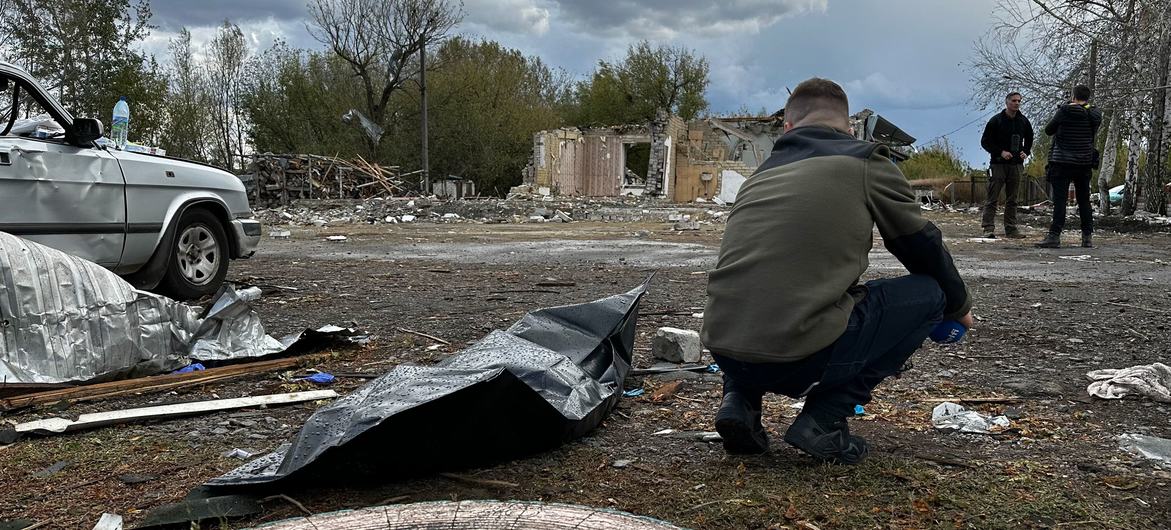
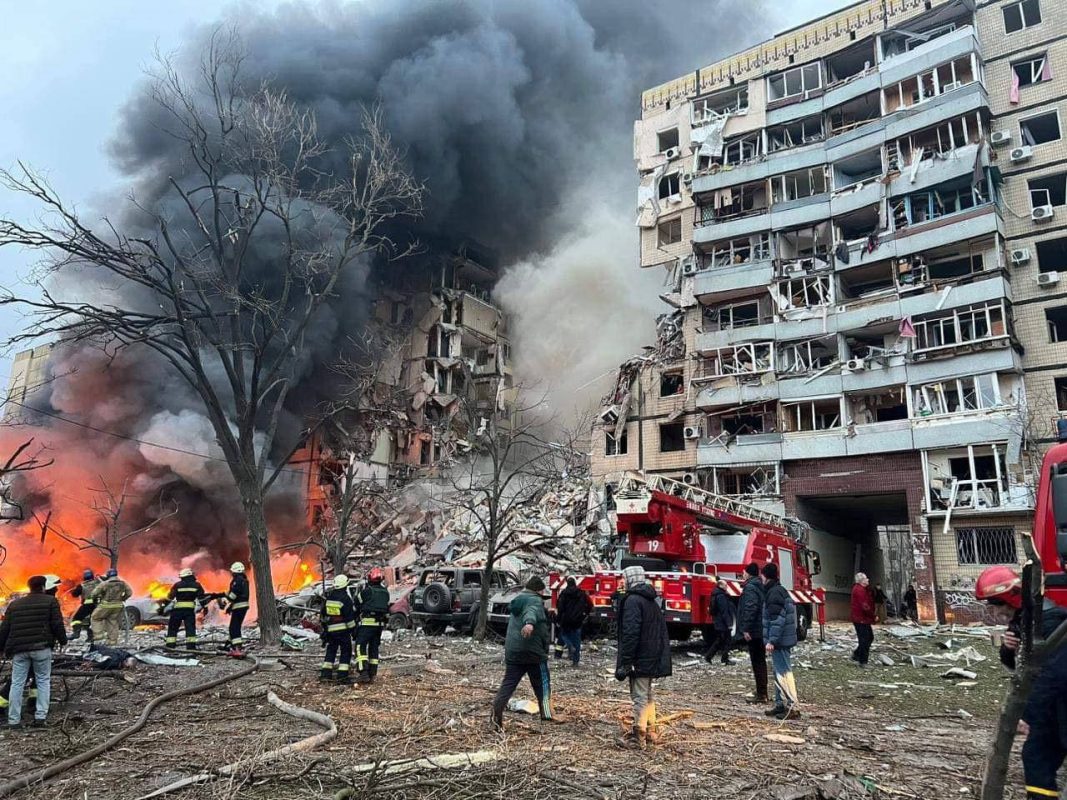
As Russia’s full-scale invasion of Ukraine stretches into its fourth year, the displacement crisis persists, with civilians facing daily attacks, destruction, and forced evacuations.

Filippo Grandi, UN High Commissioner for Refugees, marked the three-year anniversary of the war on February 24, revealing that:

  • Over 200,000 people have been evacuated from frontline areas in the east and north in the past six months alone.
  • Since the invasion began, 10.6 million people have been displaced, with millions still fleeing ongoing violence.

Frontline Evacuations Amid Relentless Attacks

Many displaced Ukrainians first arrive at transit centers, where they receive temporary shelter, clothing, and cash assistance.

Serhii Zelenyi, a small-scale farmer from Pokrovsk, Donetsk region, was one of the last in his neighborhood to leave.

“Drones were swarming over the city every day, from morning till late at night,” Zelenyi recalls.
“Sometimes there was a two-hour pause, then bombardments started again. It was impossible.”

After weeks of relentless attacks, no electricity, food shortages, and the constant fear of death, he fled to Pavlohrad, where he now must rebuild his life from scratch.

Trauma and Emotional Toll on Civilians

The psychological impact of war remains severe, as those arriving from the frontlines are in acute distress.

Alyona Sinaeva, a psychologist with Proliska (a UNHCR partner organization in Pavlohrad), describes the extreme emotional exhaustion of evacuees:
“They come from cities where active fighting is taking place. In this space, they can relax and cry. These are emotions they have not been able to show until now.”

The UN Refugee Agency (UNHCR) and its partners are providing:
Emergency cash assistance for basic necessities.
Hygiene kits, food aid, and legal support.
Psychosocial services for trauma recovery.

The Scale of the Humanitarian Crisis

  • 12.7 million people—about one-third of Ukraine’s population—now require urgent humanitarian assistance.
  • 11 years since the start of conflict in eastern Ukraine and Crimea, destruction and mass displacement remain a daily reality.

A Call for Sustained Support

As Ukraine’s war continues, millions of displaced families need ongoing humanitarian aid to survive and rebuild. The UN, local NGOs, and international donors must work together to:
✔ Ensure safe evacuations for those in active conflict zones.
✔ Provide long-term housing and employment solutions for displaced families.
✔ Strengthen mental health support for trauma survivors.

The world must not turn away from Ukraine’s humanitarian crisis—for those still fleeing, every moment matters.

Global Biodiversity Agreement Secures $200 Billion Annual Boost for Nature Protection

In a landmark decision, governments have agreed to mobilize $200 billion annually to strengthen biodiversity protection and restore fragile ecosystems by 2030. This breakthrough was achieved at the UN Biodiversity Conference (COP16.2) in Rome, following previous setbacks in Cali, Colombia, last November.

Urgent Need for Biodiversity Funding

The agreement under the UN Convention on Biological Diversity (CBD) is a crucial step toward addressing:

  • Massive biodiversity loss, with over one million species threatened with extinction.
  • Environmental destruction from deforestation, mining, pollution, and climate change.
  • The impact of conflicts on natural ecosystems, as war zones suffer extensive ecological damage.

UN Secretary-General’s Spokesperson Stéphane Dujarric welcomed the decision, emphasizing the urgency:
“We need to mobilize at least $200 billion a year by 2030 to close the global biodiversity finance gap.”

Key Outcomes from COP16.2

After days of intense negotiations, governments reached decisions on:
Biodiversity finance mechanisms to ensure long-term funding.
Monitoring and reporting frameworks to track biodiversity progress.
Concrete targets for restoring degraded ecosystems and protecting 30% of the planet by 2030.

Currently, only 17% of land and 8% of marine areas are protected, making this agreement a major step toward reversing nature loss.

Commitment to Indigenous Rights & Conservation

The agreement also reinforces commitments made under the Kunming-Montreal Global Biodiversity Framework (2022), which:

  • Prioritizes Indigenous Peoples and local communities in conservation efforts.
  • Calls for restoration of 30% of degraded ecosystems by 2030.
  • Recognizes Indigenous land rights and traditional knowledge as vital to protecting biodiversity.

“Only by working together can we make peace with nature a reality,” said COP16 President Susana Muhamad.

The Cali Fund: A New Era for Biodiversity Financing

At the COP16.2 sidelines, the Cali Fund, established in Colombia in late 2024, was officially launched. This innovative fund is designed to generate sustainable financing for biodiversity conservation through private sector contributions.

How the Cali Fund Works:

  • Companies profiting from genetic resources in nature (e.g., pharmaceuticals, cosmetics, biotech) must contribute a portion of their revenue to the fund.
  • Funds will be used to implement the UN Biodiversity Convention and the Kunming-Montreal framework.
  • 50% of Cali Fund resources will be allocated directly to Indigenous and local communities, recognizing their role as biodiversity custodians.

Elizabeth Mrema, UNEP Deputy Executive Director, called on businesses to step up:
“Those who pay into the fund will go down in history as pioneers and will reap the benefits as the public increasingly recognizes the importance of giving back to nature.”

“Multilateralism Works”: A Win for Global Cooperation

Astrid Schomaker, Executive Secretary of the UN Convention on Biological Diversity, hailed the agreement as proof that multilateralism is effective.

“We now have a clear mandate to close the biodiversity finance gap,” she said. “With this agreement, the world has given itself the means to protect nature for future generations.”

Looking Ahead: Next Steps for Biodiversity Action

With COP16.2 setting the stage for major conservation efforts, the focus now shifts to implementation and accountability.
Ensuring the $200 billion commitment is fulfilled annually.
Scaling up private sector contributions through the Cali Fund.
Strengthening biodiversity laws and national policies.
Enhancing Indigenous-led conservation efforts.

The agreement marks a turning point for global biodiversity protection, demonstrating that international cooperation can deliver tangible solutions for the planet.

Guterres Urges Caribbean Leaders to Push for Peace, Climate Action, and Economic Reform

UN Secretary-General António Guterres addressed Caribbean leaders in Barbados on Wednesday, outlining urgent global and regional challenges, including Haiti’s escalating crisis, climate justice, and financial reform. Speaking at the Caribbean Community (CARICOM) Heads of Government Meeting, Guterres called for unity and decisive action to address these pressing issues.

Haiti: A Call for Effective Security Action

Guterres announced a potential plan to support an “effective force” in Haiti as the country continues to face brutal gang violence, political instability, and a humanitarian crisis. He praised CARICOM’s role in supporting Haiti’s peace efforts and urged continued efforts toward a Haitian-led political process that restores democratic institutions through elections.

To support stability:

  • A UN-backed Multinational Security Support Mission is already assisting the Haitian National Police.
  • Guterres plans to propose a UN financial mechanism similar to Somalia, where the UN covers structural and logistical costs, while salaries are paid through an existing trust fund.
  • He hopes the UN Security Council will approve this plan, ensuring a strong, effective force to help Haiti reclaim security and democracy.

“If the Security Council accepts this proposal, we will have the conditions to finally defeat the gangs in Haiti and create the conditions for democracy to thrive,” he declared, drawing applause from Caribbean leaders.

The Climate Crisis: An Opportunity for the Caribbean

Guterres emphasized the climate crisis as an injustice, noting that Caribbean nations have contributed almost nothing to global emissions but are among the most vulnerable to climate disasters.

Urgent Climate Actions Needed

  • Countries must deliver new climate action plans ahead of COP30 later this year, aligning with the 1.5°C temperature goal.
  • The G20 nations must lead by example, committing to deep emission cuts and transitioning to clean energy.
  • The $1.3 trillion in climate finance agreed at previous COP summits must be mobilized immediately.
  • Developed nations must honor commitments to the Loss and Damage Fund, which aims to compensate vulnerable nations for climate-related destruction.

Guterres pointed out the absurdity of current financial priorities, stating:
“When the Fund was created, the pledges made were equivalent to the new contract for just one baseball player in New York City.”

He urged Caribbean leaders to embrace clean energy, reduce reliance on costly fossil fuel imports, and tap into the region’s vast renewable energy potential.

Financing Sustainable Development

The Sustainable Development Goals (SDGs) remain severely underfunded as debt servicing drains resources from Caribbean nations. Guterres praised the region for leading bold financial reforms, including:

  • The Pact for the Future – A UN-backed initiative advocating for financial reforms to support developing nations.
  • The Bridgetown Initiative – A Caribbean-led proposal to reshape global finance, increase debt relief, and ensure fairer access to funding for sustainable development.

Caribbean countries have been at the forefront of the fight for financial reform, securing commitments such as:
A $500 billion annual SDG Stimulus to support development projects.
Reforming international financial institutions to allow greater participation by developing nations.

A Call for Unity and Action

Guterres concluded by urging Caribbean leaders to keep pushing for global accountability, stating:
“A unified Caribbean is an unstoppable force. I urge you to keep using that power to push the world to deliver on its promises.”

From Haiti’s crisis to climate resilience and economic justice, the Caribbean continues to play a critical role in shaping global solutions. For continued updates on regional diplomacy, climate action, and financial reforms, stay connected to our platform.