Category Archives: Topics

Global Refugee Crisis: Challenges, Solutions, and the Role of International Organizations

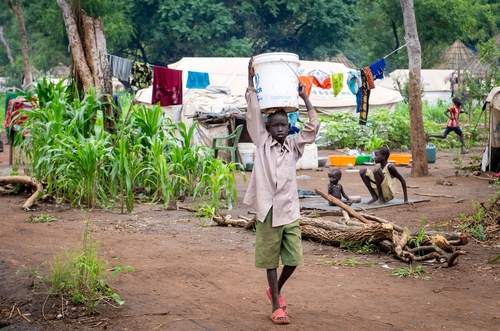
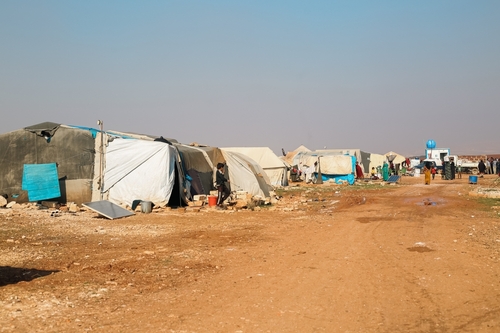
The global refugee crisis continues to escalate, with 110 million people forcibly displaced worldwide as of mid-2023 due to conflict, persecution, human rights violations, and environmental disasters. Among them:

  • 36.4 million refugees, including 30.5 million under UNHCR’s mandate and 5.94 million Palestine refugees under UNRWA.
  • 62.1 million internally displaced people who have fled violence but remain within their home countries.
  • 6.08 million asylum seekers waiting for refugee status.
  • 5.6 million Venezuelan refugees or others in need of international protection.

These figures reflect an alarming trend, with displacement far outpacing solutions. In the 1990s, about 1.5 million refugees were able to return home annually; today, that number has fallen to 385,000 per year.

Defining a Refugee

Under international law, a refugee is someone who has fled their country due to a well-founded fear of persecution based on race, religion, nationality, political opinion, or membership in a particular social group. Stateless individuals who are outside their country of habitual residence and unable to return also qualify for refugee protection.

Key Displacement Situations

In 2023, approximately 90% of newly displaced people came from just seven major crises:

  • Afghanistan
  • Democratic Republic of the Congo (DRC)
  • Latin America and the Caribbean
  • Myanmar
  • Somalia
  • Sudan
  • Ukraine

The five largest refugee populations by country of origin:

  1. Syria (6.5 million refugees)
  2. Afghanistan (6.1 million)
  3. Ukraine (6 million)
  4. Venezuela (5.6 million)
  5. South Sudan (2.2 million)

The UN Refugee Agency (UNHCR)

Established in 1950, UNHCR was originally mandated for only three years to assist Europeans displaced by World War II. However, with new crises emerging, its mission has expanded globally. Today, UNHCR:

  • Operates in 135 countries with over 18,000 staff.
  • Provides protection and assistance to nearly 59 million people, including refugees, internally displaced persons (IDPs), and stateless individuals.
  • Is active in Asia and Africa, where the majority of refugees originate and reside.

The Role of UNRWA

The United Nations Relief and Works Agency for Palestine Refugees (UNRWA) was established in 1949 to provide services to Palestine refugees in Gaza, the West Bank (including East Jerusalem), Jordan, Lebanon, and Syria. The agency delivers:

  • Education, healthcare, and social services.
  • Emergency assistance during crises.
  • Infrastructure and development projects for refugee communities.

As of 2023, UNRWA serves nearly 6 million Palestine refugees.

Funding Challenges

Following allegations of UNRWA staff involvement in the October 7, 2023, attacks on Israel, several nations suspended funding. UN officials warned that cutting funding would have catastrophic consequences for the 1.1 million displaced people in Gaza.

Global Compact on Refugees (2018)

The Global Compact on Refugees provides a framework for equitable responsibility-sharing in refugee protection. Its four objectives:

  1. Reduce pressures on host countries.
  2. Enhance refugee self-reliance.
  3. Expand third-country resettlement opportunities.
  4. Support safe and dignified voluntary return.

At the 2023 Global Refugee Forum, over 1,600 pledges were made, including:

  • $2.2 billion in new financial commitments.
  • $250 million from private sector donors.

Refugees and Climate Change

While conflict and persecution remain the primary causes of displacement, climate change is an emerging driver of forced migration. In 2022, 84% of refugees came from countries highly vulnerable to climate change, compared to 61% in 2010.

The effects of climate change include:

  • Droughts, floods, and rising sea levels forcing people to leave their homes.
  • Increased food and water shortages, worsening already fragile regions.
  • Limited options for displaced persons to return home, as climate disasters destroy livelihoods.

Support for Refugee Camps

  • UN peacekeepers provide security in refugee camps.
  • The Inter-Agency Standing Committee (IASC) coordinates humanitarian aid.
  • UNHCR, IOM, and the Red Cross lead emergency shelter, camp management, and protection services.

Nansen Refugee Award

Since 1954, UNHCR has awarded the Nansen Refugee Award to individuals and organizations making exceptional contributions to refugee protection.

Notable recipients include:

  • Eleanor Roosevelt (1954), First Lady of the United States and human rights advocate.
  • Over 60 humanitarian leaders and organizations dedicated to refugee rights.

Looking Forward: Addressing the Refugee Crisis

With protracted conflicts, economic inequality, and climate disasters fueling displacement, the global community faces an urgent need for long-term solutions.

Key Actions Moving Forward

Strengthening international cooperation to provide sustainable refugee solutions.
Expanding financial and humanitarian support for refugees and host countries.
Addressing climate-driven displacement by integrating climate action into refugee policies.
Ensuring the protection of refugee rights, including safe return, asylum, and resettlement.

World Refugee Day: A Call to Action

Observed annually on June 20, World Refugee Day highlights refugee stories, challenges, and the need for stronger international solidarity.

For more insights into refugee policies, global displacement trends, and humanitarian responses, stay connected to our platform.

UNICEF Warns of Growing Child Crisis Amid Escalating Violence in Eastern DR Congo

The UN Children’s Fund (UNICEF) has raised alarm over the worsening humanitarian crisis in eastern Democratic Republic of the Congo (DRC), where ongoing attacks by M23 rebels have led to mass displacement, grave human rights violations, and a dire situation for children and families.

Worsening Violence and Human Rights Abuses

Speaking on Thursday, UNICEF Executive Director Catherine Russell described the escalating violence as unprecedented in recent years.

  • Hundreds of civilians have been killed, with tens of thousands forced to flee as rebels seize control of towns and villages.
  • In North and South Kivu provinces, reports of rape and sexual violence against children have skyrocketed.
  • The crisis has spread beyond the Kivus: In Ituri province, at least 28 children were among 52 people killed in a brutal attack in Djugu territory, where attackers used machetes, guns, and fire to target families.

Five-Fold Increase in Sexual Violence

UNICEF has reported a dramatic rise in rape cases, particularly after the M23 group, backed by Rwanda, captured the regional capital Goma in late January.

  • Between January 27 and February 2, rape cases treated at 42 UNICEF-supported health centers surged five-fold.
  • 30% of victims were children, highlighting the horrifying scale of sexual violence.
  • Actual figures are likely much higher, as many survivors fear coming forward.
  • Medical partners are running out of essential drugs, including those used to prevent HIV infection after sexual assault.

Child Recruitment by Armed Groups

Even before this latest escalation, child recruitment into armed groups was a major concern. A UN report from 2024 documented at least 4,006 cases of children recruited or used by armed groups.

  • Reports now suggest recruitment is accelerating, with some children as young as 12 being coerced into combat.
  • With calls for the mobilization of young fighters, there are growing fears that more children will be drawn into the conflict.
  • UNICEF has identified 1,100 unaccompanied children in North and South Kivu within just two weeks, as families are torn apart by violence.

Crisis for Pregnant Women and Mothers

The UN Population Fund (UNFPA) warned that pregnant women are among the most vulnerable, many having been displaced multiple times.

  • Some are giving birth while fleeing bombardments, with little to no medical care.
  • Only a third of hospitals remain functional, and one in five health centers have been forced to close.
  • 220,000 pregnant women in North and South Kivu face severe risks, with 12,000 currently displaced and without access to healthcare.
  • 88,000 women and girls are at risk of gender-based violence, while unintended pregnancies are expected to rise due to the collapse of health services.

Emergency Health Response Under Strain

Despite the severe challenges, UNFPA is operating eight mobile health clinics staffed by 27 midwives, providing:

  • Prenatal care and safe deliveries
  • Family planning services
  • Critical maternal health support for over 8,000 women

However, the scale of need is outpacing available resources, with thousands of women facing childbirth under bombardment, unsure if they or their babies will survive the night.

A Call for Immediate Action

UNICEF and UNFPA have called on all parties to:

  • Cease attacks on civilians and stop grave violations against children.
  • Ensure the protection of hospitals, clinics, and civilian infrastructure.
  • Provide urgent humanitarian aid to the millions affected by violence.

The crisis in eastern DRC is spiraling out of control, and without immediate action, more children, women, and families will suffer devastating consequences.

For continued updates on this humanitarian emergency, follow our platform as we track developments and international response efforts.

for the infographic visit this link

Multilateralism: What It Is and Why It Matters

Multilateralism is a core principle of international cooperation, shaping how countries work together to solve global challenges, promote peace, and facilitate trade and development. It is more than just diplomacy at the United Nations (UN); it impacts everyday life, from global travel and communication to climate action and economic stability.

What Is Multilateralism?

The term “multilateral” originally meant “many-sided” in geometry, but today it refers to international relations involving multiple nations collaborating to achieve common goals.

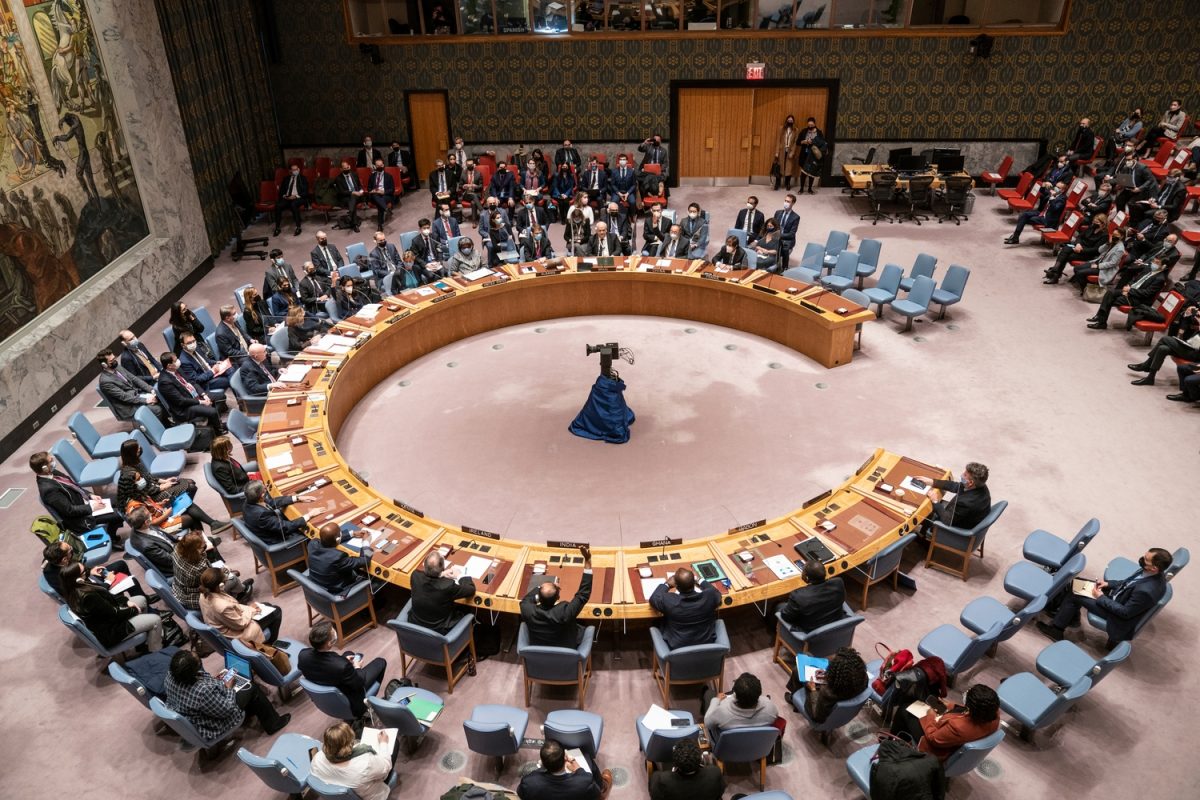
The United Nations (UN) is the world’s primary multilateral platform, where countries convene to negotiate policies, create agreements, and address pressing global issues. The UN hosts summits, forums, and discussions that help harmonize international actions on everything from economic development to security and environmental protection.

The Three Pillars of Multilateralism

Effective multilateralism relies on three key principles:

  1. Cooperation – Countries work together to tackle shared problems.
  2. Compromise – Nations make concessions to achieve mutual benefits.
  3. Coordination – Governments and institutions align their efforts for effective solutions.

These principles help resolve conflicts peacefully, create economic opportunities, and establish global standards for trade, health, and human rights.

How Multilateralism Shapes the Modern World

Multilateral agreements and organizations ensure international cooperation in critical areas, such as:

  • Global Travel & Communication – Unified airline regulations, postal systems, and telecommunications standards make international travel and communication seamless.
  • Public Health – The World Health Organization (WHO) coordinates responses to global health crises like COVID-19 and polio eradication.
  • Trade & Economy – The World Trade Organization (WTO) and the International Monetary Fund (IMF) regulate economic policies and facilitate fair trade among nations.

Historic Multilateral Organizations

Many multilateral organizations predate the UN but have since become part of its system, including:

  • International Telecommunication Union (ITU) – Established in 1865 to standardize telegraph networks, now governing radio frequencies, satellites, and the internet.
  • International Labour Organization (ILO) – Founded in 1919 to promote workers’ rights and fair employment conditions worldwide.

Multilateralism and the UN: A Platform for Global Policy

Since its founding in 1945, the United Nations has been the central body for multilateral diplomacy, helping countries negotiate international agreements and resolve conflicts.

The UN General Assembly: Equal Representation for All

The General Assembly serves as the UN’s main policy-making body, where each of the 193 Member States has an equal vote—whether it’s a small country like Monaco or a global power like China.

Global Achievements of Multilateralism

Multilateral efforts have led to some of the most important global agreements, including:

  • The Universal Declaration of Human Rights (1948) – A landmark document that established fundamental human rights protections worldwide.
  • Disarmament & Arms Control Treaties – The UN has played a key role in preventing nuclear war and regulating arms control.
  • Climate Action Agreements – Global pacts like the Paris Agreement aim to combat climate change and promote sustainable development.

Multilateralism in the Cold War and Beyond

During the Cold War (1940s–1990s), the UN helped de-escalate conflicts, prevent global war, and mediate diplomatic solutions. Even with ideological divisions between the United States and the Soviet Union, multilateral platforms provided a space for dialogue and negotiation.

Today, multilateralism continues to be the foundation for global problem-solving, addressing new challenges such as:

  • Climate Change – Coordinating global efforts to reduce emissions and protect vulnerable nations.
  • Artificial Intelligence (AI) – Creating ethical guidelines and regulations for AI governance.
  • Economic Inequality – Reforming global financial institutions to ensure fair economic growth for all.

Strengthening Multilateralism for the Future

While multilateralism remains vital, global institutions must evolve to address 21st-century challenges. In 2020, UN Member States asked Secretary-General António Guterres to develop a vision for stronger global governance, resulting in:

  • Our Common Agenda – A roadmap for UN reforms in peacekeeping, finance, education, and technology.
  • The Pact for the Future (2024) – A commitment by world leaders to modernize multilateral institutions for stronger global cooperation.

A Call to Action for Global Unity

Guterres has urged a stronger commitment to a rules-based order, emphasizing that multilateralism must be more inclusive, incorporating voices from:

  • Civil society organizations
  • Youth movements
  • Business and private sector leaders

He advocates for “networked multilateralism”—a more connected and coordinated approach that ensures global policies are fair, effective, and forward-looking.

Why Multilateralism Matters More Than Ever

In a world facing growing geopolitical tensions, economic uncertainty, and environmental crises, multilateralism remains the best hope for global stability and progress. By working together, nations can build a more just, peaceful, and sustainable future for all.

For more insights into global cooperation and international diplomacy, stay connected with our platform as we track multilateral efforts shaping the world’s future.

Guterres: Africa is ‘Brimming with Hope and Possibility’ at African Union Summit

At the 2025 African Union Summit in Addis Ababa, UN Secretary-General António Guterres highlighted Africa’s immense potential, urging global reforms to correct historical injustices and unlock the continent’s economic and technological future. Speaking before African leaders, diplomats, and business figures, he emphasized the strength of the UN-AU partnership and Africa’s position as a key driver of global growth.

Africa’s Potential: A Young Population and Economic Transformation

Guterres praised Africa’s booming youth population, its rich renewable resources, and the promise of the African Continental Free Trade Area (AfCFTA), which seeks to enhance intra-African trade and economic cooperation. He called on the global community to support Africa’s efforts to modernize its economies, invest in clean energy, and embrace digital innovation.

However, he also stressed that structural global inequalities—including unfair financial systems and historical injustices—continue to hold Africa back.

Calls for Reparations and Global Reform

Referring to the summit’s theme, “Justice for Africans and People of African Descent Through Reparations,” Guterres acknowledged that decolonization and independence did not erase the deep scars left by colonialism and the trans-Atlantic slave trade.

He described these as “colossal and compounded injustices”, pointing out that many African nations were still colonies when the United Nations and multilateral systems were established in the 20th century.

Guterres made two major reform commitments:

  1. Permanent African Representation at the UN Security Council – Calling the current exclusion of Africa from the Security Council’s permanent membership “inexcusable,” he pledged to work with the AU to secure two permanent seats for Africa.
  2. Financial System Overhaul – He reiterated his calls for reforming global financial institutions, which force African countries into high-interest debt and limit their ability to invest in education, healthcare, and infrastructure.

Conflict in Sudan and the Democratic Republic of the Congo (DRC)

While celebrating Africa’s potential, Guterres also addressed ongoing conflicts, particularly in Sudan and the DRC.

  • Sudan is facing the world’s largest displacement and famine crisis, with millions at risk. He called for an AU-UN-led coalition to end the war.
  • DRC is on the brink of regional catastrophe as M23 rebels advance, with reports of their entry into Bukavu, DRC’s second-largest city. He warned that escalating violence could destabilize the entire region and reaffirmed the UN peacekeeping mission MONUSCO’s continued support.

Africa’s Future: Clean Energy, Digital Innovation, and Gender Equality

Guterres emphasized that Africa must lead the transition to a clean, low-carbon global economy. Currently, the continent receives just 2% of global renewable energy investment, despite its vast potential. Financial reforms and investment could transform Africa into a global clean energy leader.

Additionally, he highlighted the digital divide, noting that nearly two-thirds of Africans lack reliable internet access. By 2035, more young Africans will enter the job market annually than the rest of the world combined, making education and digital skills critical.

To bridge this gap, the UN will launch new initiatives, including:

  • A Global Dialogue on AI Governance to help Africa harness AI for economic growth.
  • A proposal for an International Scientific Panel on AI to ensure ethical AI development.
  • A report on AI’s role in empowering the Global South.

A Call for Action: The Pact for the Future

Guterres tied his vision to the Pact for the Future, a 2024 UN-led agreement that commits wealthier nations to providing a $500 billion annual development stimulus for low- and middle-income countries, including African nations.

His message was clear: Africa’s future is bright, but achieving progress requires global cooperation, financial justice, and investment in Africa’s youth and digital transformation.

Looking Ahead

The 2025 African Union Summit reinforced the need for global collaboration to unlock Africa’s full potential. With strong leadership, reforms, and investment, Africa could become a leader in economic growth, renewable energy, and digital innovation.

For more insights into Africa’s development, international reforms, and the UN’s role in shaping the future, stay connected to our platform.

WHO Chief Warns of Global Health Risks as US Funding Cuts Take Effect

The World Health Organization (WHO) has issued a stark warning about the consequences of US funding cuts, which are threatening critical global health initiatives. WHO Director-General Tedros Adhanom Ghebreyesus expressed deep concern at a press briefing, highlighting the immediate impact on HIV treatment, polio eradication, and responses to infectious disease outbreaks.

HIV Treatment Disruptions and Public Health Setbacks

Among the most significant consequences is the suspension of funding to PEPFAR (the President’s Emergency Plan for AIDS Relief), which has caused:

  • Immediate halts to HIV treatment, testing, and prevention services across 50 countries.
  • Clinic closures and job losses among health workers.
  • Exclusion of prevention programs for at-risk groups, despite exemptions for life-saving treatment.

Tedros urged the US government to reconsider its funding approach, warning that without alternative solutions, millions of vulnerable people will lose access to essential health services.

Ebola Outbreak in Uganda

Turning to the Ebola outbreak in Uganda, Tedros reported nine confirmed cases and one death. In response, WHO has:

  • Deployed emergency teams to support treatment, surveillance, and infection control.
  • Launched a vaccine trial within four days of the outbreak.
  • Allocated $2 million from its emergency fund, in addition to $1 million previously provided.

Approval for therapeutics trials is still pending, but WHO is working urgently to contain the outbreak.

Health Crisis in the Democratic Republic of the Congo (DRC)

In the Democratic Republic of the Congo (DRC), escalating violence in the east has led to more than 900 deaths and over 4,000 injuries. The humanitarian crisis has significantly weakened the health system:

  • Only one-third of those in need can access health services in North and South Kivu.
  • Infectious diseases like mpox and cholera pose increasing risks.
  • Severe shortages of medicines and fuel are hindering WHO’s ability to respond effectively.

Progress in Childhood Cancer Treatment

Amid the challenges, WHO announced a major breakthrough in childhood cancer treatment in low and middle-income countries. As part of the Global Initiative on Childhood Cancer, WHO has begun distributing free cancer medications to:

  • Mongolia and Uzbekistan (first recipients).
  • Four additional countries in the coming months.

The program, developed in partnership with St. Jude Children’s Research Hospital, aims to reach 120,000 children in 50 countries over the next five to seven years, bridging the survival gap between high-income and low-income nations.

A Call for Immediate Action

WHO has called on the global community to step up support, especially as US funding cuts threaten progress in global health. Tedros emphasized that consistent financial commitment is crucial to maintaining disease control efforts, ensuring essential treatment access, and responding to emerging health threats.

For continued updates on global health initiatives and WHO’s response efforts, follow our platform as we track these critical developments.

UN Secretary-General António Guterres addresses the AI Action Summit in Paris, France

AI Summit in Paris: Guterres Calls for Global AI Governance, Pharrell Williams Weighs in on Tech’s Future

At the AI Action Summit in Paris, UN Secretary-General António Guterres called for urgent global cooperation to prevent artificial intelligence from deepening inequalities and geopolitical divides. Speaking to a high-profile audience of world leaders, tech CEOs, and even musician Pharrell Williams, Guterres warned that AI’s immense power is currently concentrated “in the hands of a few,” posing significant risks if left unchecked.

A Call for Global AI Guardrails

Against the backdrop of the Grand Palais, Guterres emphasized that AI must serve humanity as a whole, rather than benefit only a select few nations and corporations. He urged world governments to:

  • Establish global guardrails to ensure AI is developed and used responsibly.
  • Share best practices and technology to bridge the gap between developed and developing nations.
  • Ensure AI accelerates the Sustainable Development Goals (SDGs) rather than exacerbating inequality.

AI’s Strain on the Planet

The UN chief also raised alarms about the environmental impact of AI, particularly the massive energy consumption of data centers and training models. He stressed the need for:

  • AI-powered smart grids to optimize energy use.
  • Sustainable AI infrastructure that reduces carbon footprints.
  • Transitioning AI operations to clean energy sources to prevent further climate damage.

“From data centers to training models, AI must run on sustainable energy so that it fuels a more sustainable future,” he insisted.

Pharrell Williams: AI Won’t Replace Creativity

Music icon Pharrell Williams joined the discussion, countering fears that AI will replace human creativity. “There’s just too much fear around it,” he said.

Williams dismissed the idea that AI could compose music as authentically as humans, saying, “We wouldn’t use AI to help us write a song… It wouldn’t replace creativity.”

Drawing parallels with past technological anxieties, he added, “You know, there was a whole thing around the year 2000 as well, but we’re fine, we survived that.”

The U.S. Perspective: Balancing Innovation and Regulation

Representing the United States, Vice-President JD Vance announced a $450 billion investment in the AI sector but warned against overregulation. He cautioned that “excessive regulation of the AI sector could kill a transformative industry as it’s taking off.”

While acknowledging the need for oversight, Vance stressed that the U.S. aims to maintain its competitive edge in AI innovation.

A Global AI Roadmap

The Paris summit underscored the growing tension between AI’s transformative potential and the need for ethical governance. With AI reshaping industries, economies, and societies at an unprecedented pace, world leaders must find a delicate balance between innovation, equity, and responsible oversight.

As AI continues to evolve, the conversation about its future—both its opportunities and risks—will shape global policies and economies for years to come. Stay tuned for more updates on AI governance, technology trends, and the intersection of ethics and innovation.

World Cancer Day 2025: Closing the Care Gap for a Healthier Future

Every year on February 4, the world unites to observe World Cancer Day, a global initiative led by the World Health Organization (WHO) and the Union for International Cancer Control (UICC) to raise awareness, promote prevention, and advocate for better access to treatment. This year’s theme, “Close the Care Gap,” highlights the urgent need to eliminate inequalities in cancer care and ensure that everyone, regardless of background or location, has access to early detection, treatment, and support.


The Global Cancer Burden

According to WHO, cancer remains one of the leading causes of death worldwide, with millions of new cases diagnosed each year. The impact of cancer is not just a health issue but also a social and economic crisis, disproportionately affecting low- and middle-income countries. Some key facts from WHO:

  • 10 million people die from cancer every year.
  • One-third of cancer cases could be prevented through lifestyle changes, early screening, and vaccination.
  • Many cancers are treatable if detected early, yet millions lack access to life-saving care.

By raising awareness and taking action, we can reduce the global cancer burden and improve survival rates.


Closing the Care Gap: A Call for Global Action

1. Early Detection Saves Lives

Many cancers, including breast, cervical, colorectal, and skin cancer, have higher survival rates when detected early. However, millions of people worldwide lack access to proper screening and diagnostics due to financial and healthcare barriers. Governments and healthcare systems must expand screening programs and improve access to medical services.

2. Prevention is Key

WHO estimates that 30-50% of cancers are preventable by reducing risk factors such as:
✅ Tobacco and alcohol use
✅ Unhealthy diets and obesity
✅ Physical inactivity
✅ Exposure to carcinogens and infections (e.g., HPV and Hepatitis B)

Vaccination against HPV and Hepatitis B plays a critical role in preventing cervical and liver cancer, respectively. Public health campaigns must continue to emphasize these preventive measures.

3. Advancing Research & Treatment Access

Significant advancements in cancer research have led to innovative treatments, but these are not accessible to all. Many low-income regions lack access to basic cancer medications and therapies, leading to preventable deaths. WHO urges countries to invest in cancer research and healthcare infrastructure to make treatments available and affordable for everyone.

4. Support for Patients & Survivors

Cancer does not just affect patients; it impacts families, caregivers, and communities. Psychosocial support, financial assistance, and palliative care are essential components of cancer care that need to be prioritized.


How You Can Make a Difference

🔹 Get Screened: Regular check-ups and cancer screenings can detect cancer early and save lives.
🔹 Adopt a Healthy Lifestyle: Avoid smoking, maintain a balanced diet, and stay physically active.
🔹 Support Cancer Research & Advocacy: Donate to organizations supporting cancer patients and research efforts.
🔹 Raise Awareness: Share credible information from WHO and cancer organizations to educate others.


A Future Without Cancer Disparities

On World Cancer Day 2025, let’s commit to closing the care gap and ensuring that cancer prevention, treatment, and support are available to all. With global collaboration, investment in healthcare, and community-driven efforts, we can create a future where everyone has an equal chance to fight and survive cancer.

💙 Join the movement. Spread awareness. Take action.
SEE MORE ON WCD
#WorldCancerDay #CloseTheCareGap #CancerAwareness #WHO #HealthForAll

Gaza Aid Blocked Amid Escalating Humanitarian Crisis and Fuel Shortages

Archive

The humanitarian crisis in Gaza deepens as critical aid deliveries remain blocked, and fuel shortages threaten to collapse lifesaving services. The UN Office for the Coordination of Humanitarian Affairs (OCHA) reported significant challenges in gaining access to North Gaza, compounded by ongoing violence and deteriorating conditions.

Aid Movements Denied

On Thursday, Israeli authorities permitted only 10 of 21 planned humanitarian movements. Seven were denied outright, three faced impediments, and one was canceled due to security and logistical challenges, according to UN Spokesperson Stéphane Dujarric.

Fuel Shortages Paralyze Essential Services

Fuel shortages are crippling essential services across Gaza:

  • Telecommunications providers warn of service disruptions starting Saturday.
  • Al Awda Hospital, the last partially functioning hospital in North Gaza, is critically low on fuel and medical supplies. The facility is overwhelmed with patients from areas besieged for over three months, including Beit Lahiya, Beit Hanoun, and Jabalya refugee camps.

Repeated attacks have forced the closure of Kamal Adwan and Indonesian hospitals, leaving Al Awda as the only remaining option in the region. Efforts by the World Health Organization (WHO) to deliver supplies and assess damages have been thwarted by damaged roads and restricted access.

Mr. Dujarric called for immediate steps to make roads passable and ensure access to critical health facilities.

Escalation in the West Bank

The crisis extends beyond Gaza to the West Bank, where violence continues to escalate:

  • Israeli forces killed three Palestinians, including a child, and injured 38 others in the first week of the year.
  • Israeli settlers injured 18 Palestinians, and armed Palestinians killed three Israeli settlers and injured eight others near Qalqiliya.
  • Over 50 Palestinians have been displaced due to home demolitions, particularly in East Jerusalem’s Silwan neighborhood.

In Jenin refugee camp, clashes between Palestinian Authority security forces and militant factions have restricted access, leaving 3,400 people in dire conditions while displacing over 2,000 families to Jenin city. OCHA has mobilized partners to assist these families both inside and outside the camp.

Lebanon: $30 Million for War Victims

In neighboring Lebanon, the UN allocated $30 million from the Lebanon Humanitarian Fund to address the severe impact of the recent conflict between Hezbollah and Israeli forces. The funding will support:

  • Food security
  • Shelter and protection
  • Nutrition and healthcare
  • Water, sanitation, and education

Although a ceasefire is now in effect, the destruction of civilian infrastructure and basic services has left communities struggling to recover.

A Call for Urgent Action

The UN has called for immediate measures to ensure humanitarian access, restore fuel supplies, and protect healthcare facilities and personnel in Gaza. These efforts are essential to prevent further tragedy and alleviate the suffering of affected populations in Gaza, the West Bank, and Lebanon.

Stay informed on these critical issues by following our platform, where we provide detailed reporting on global humanitarian crises and solutions to address them.

Gaza: UN Calls for Immediate Ceasefire Amid Growing Tragedy and Attacks on Healthcare

Archive

The ongoing conflict in Gaza has reached unprecedented levels of suffering, with daily reports of devastation, attacks on civilians, and a healthcare system on the brink of collapse. Commissioner-General Philippe Lazzarini of the UN Palestine refugee agency (UNRWA) reiterated the urgent need for a ceasefire, stating, “Every day without a ceasefire will bring more tragedy.”

Escalating Violence and Lack of Safe Zones

In a statement shared on social media, Lazzarini highlighted that no place in Gaza is safe. Recent attacks, such as the one on Al Mawasi, which claimed dozens of lives, underscore the absence of humanitarian or safe zones in the region.

The ongoing violence, which began in October 2023, has left Gaza in a humanitarian crisis, with children and families living in unsanitary and dangerous conditions.

Restrictions on Media Freedom

UNRWA also condemned the restriction of international journalists from reporting freely within Gaza, calling on Israeli authorities to grant access. Simultaneously, the suspension of Al Jazeera operations in the West Bank by the Palestinian Authority (PA) has raised concerns about freedom of expression in the Occupied Palestinian Territory.

The UN Office of the High Commissioner for Human Rights (OHCHR) urged the PA to reverse its decision, emphasizing the importance of upholding international obligations to protect press freedom.

Healthcare Under Attack

Healthcare services in Gaza face relentless assaults, as illustrated by the raid on Kamal Adwan Hospital. Two UN Special Rapporteurs, Dr. Tlaleng Mofokeng and Francesca Albanese, condemned the attack and the arbitrary arrest of the hospital’s director, Dr. Hussam Abu Safiya, who defied evacuation orders to continue treating patients amid bombings. Tragically, Dr. Abu Safiya’s son was killed, and he himself was injured while on duty.

The situation at Kamal Adwan Hospital is emblematic of the broader assault on healthcare in Gaza:

  • Over 1,057 Palestinian health and medical professionals have been killed.
  • 22 hospitals have been destroyed, with Kamal Adwan being one of the last remaining facilities under constant threat.
  • Arbitrary arrests and extrajudicial executions of healthcare workers continue unabated.

International Law and Protections

Under international humanitarian law, medical personnel and facilities enjoy special protections and cannot be targeted or detained for carrying out their duties. The UN experts called for:

  • The immediate release of Dr. Abu Safiya and other arbitrarily detained healthcare workers.
  • An end to attacks on healthcare personnel and facilities.

“The heroic actions of Palestinian medical colleagues in Gaza teach us what it means to uphold the medical oath, even under dire circumstances,” the experts said, urging the global community to act decisively to protect these essential workers.

A Call for Change in 2025

The ongoing violence and destruction in Gaza highlight the urgent need for global solidarity and action. UN officials stressed the importance of beginning the new year under different circumstances, with a renewed commitment to ceasefire negotiations and respect for human rights.

For further updates on Gaza and efforts to address the humanitarian crisis, follow our platform, where we provide detailed reporting and analysis on critical global issues.

2024 to Become Hottest Year on Record, UN Warns of “Climate Breakdown in Real Time”

The World Meteorological Organization (WMO) has announced that 2024 is poised to become the warmest year on record, concluding a decade of unprecedented heat driven by human activities. Secretary-General António Guterres described this stark reality as “climate breakdown — in real time,” urging immediate action to avert further climate disasters.

A Decade of Deadly Heat

Reflecting on the past decade, Mr. Guterres noted that all ten of the hottest years on record occurred within this period, including 2024. He stressed the urgent need to “exit this road to ruin” by slashing emissions and accelerating the transition to renewable energy.

WMO will release the final global temperature data for 2024 in January 2025, followed by the comprehensive State of the Global Climate 2024 report in March.

Climate Catastrophes and Extremes in 2024

The year 2024 was marked by a series of climate-related disasters, as highlighted in WMO reports:

  • Extreme Heat: 41 additional days of dangerous heat were documented, exacerbating risks to human health and ecosystems.
  • Deadly Weather Events: Climate change amplified 26 of 29 studied weather events, causing at least 3,700 deaths and displacing millions.
  • Record-breaking Rainfall and Flooding: Unprecedented flooding led to significant loss of life and livelihoods on every continent.
  • Scorching Heat Waves and Wildfires: Temperatures surpassed 50°C in some regions, intensifying wildfires that ravaged vast areas.

Celeste Saulo, WMO Secretary-General, described these events as a sobering wake-up call, emphasizing that even a fraction of a degree in global warming heightens climate extremes and associated risks.

Hope in the Face of Crisis

Despite the grim realities, progress was made in 2024:

  • The Pact for the Future was adopted to promote disarmament, financial reform, gender equality, and ethical innovation.
  • COP29 Climate Conference focused on increasing financial support for vulnerable nations disproportionately impacted by climate change.

Developing nations, though responsible for minimal historical emissions, bear the brunt of extreme weather. In response, international experts gathered in December to develop a coordinated framework to combat extreme heat.

Looking Ahead to 2025: A Critical Year for Action

Designated as the International Year of Glaciers’ Preservation, 2025 will prioritize efforts to protect the cryosphere—Earth’s frozen regions vital for regulating global temperatures. Other key initiatives include:

  • Global Greenhouse Gas Watch: Improving monitoring of greenhouse gas net fluxes globally.
  • Early Warnings for All Programme: Developing anticipatory systems to protect against hazardous environmental events by 2027.

As WMO approaches its 75th anniversary, Ms. Saulo called for urgent and unified global action, stressing the shared responsibility to safeguard the planet.

A Call to Action

The trajectory of the past decade serves as a stark reminder of the urgent need for transformative action. With coordinated efforts and global solidarity, 2025 could mark a turning point in humanity’s fight against climate change.

Stay informed on climate developments and solutions by following our platform, where we highlight critical initiatives and progress toward a sustainable future.