Can Traditional Medicine Strengthen Modern Healthcare? An Expert Perspective

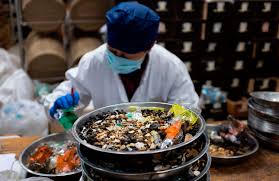
Traditional remedies such as ginger and cinnamon are gaining renewed global attention—not just as culinary ingredients, but as evidence-based therapeutic tools. This growing interest is at the heart of discussions taking place at the second World Health Organization summit on Traditional, Complementary and Integrative Medicine (TCIM), held in India this week.

Despite the fact that 40–90% of people worldwide rely on traditional medicine in some form, less than 1% of global health research funding is currently dedicated to studying it. Significant regional gaps also persist, with many countries still lacking national policies governing TCIM.

To explore why this gap exists—and whether traditional medicine can meaningfully complement modern healthcare—UN News spoke with Rabinarayan Acharya, Director General of India’s Central Council for Research in Ayurvedic Sciences (CCRAS), a key partner of the World Health Organization.

Ayurveda: More Than a Treatment

According to Acharya, Ayurveda is both a medical system and a way of life. Rooted in lifestyle balance, diet, and ethical conduct, it prioritizes disease prevention, healthy ageing, and long-term wellbeing, rather than focusing solely on symptom treatment.

This holistic approach, he notes, aligns closely with modern public-health goals—particularly in addressing non-communicable diseases, which are often driven by modifiable factors such as poor diet, stress, inactivity, and environmental exposure.

Why the Evidence Gap Exists

Acharya explains that limited funding for traditional medicine research stems not from lack of relevance, but from methodological challenges. Systems like Ayurveda are complex and individualized, making them difficult to study using conventional biomedical research models.

To address this, CCRAS conducts rigorous clinical and public-health research that integrates classical Ayurvedic principles with modern scientific and ethical standards—covering drug development, medicinal plants, epidemiology, and health-systems research.

WHO’s Strategy for Integration

The WHO’s Global Traditional Medicine Strategy 2025–2034 aims to strengthen the evidence base, safety, effectiveness, and responsible integration of traditional medicine into national health systems.

Acharya emphasizes that progress will require:

  • Sustained investment in high-quality research
  • Evidence-informed integration into health policy
  • Recognition of traditional medicine as a complement, not a replacement, to conventional care

Evidence-Based Examples

One promising example is Withania somnifera (Ashwagandha), long used in Ayurveda as an adaptogen. Clinical studies suggest it may help reduce symptoms of anxiety and depression, while remaining generally safe and well tolerated—highlighting its potential role in mental-health care when used responsibly.

Cautious Optimism for the Future

As health systems worldwide face mounting pressure from ageing populations, chronic disease, and limited resources, Acharya expresses measured optimism that more countries will integrate validated traditional medicine practices into their healthcare frameworks.

“Integration does not mean replacement,” he notes, “but alignment with public-health priorities where evidence supports it.”

Nansen Award Winners Show Compassion for Refugees Is Far from Fading

The United Nations High Commissioner for Refugees (UNHCR) has announced the 2025 Nansen Refugee Award laureates, spotlighting individuals and organizations whose compassion and solidarity continue to transform the lives of displaced people around the world.

This year’s award honours five exceptional leaders and initiatives from Cameroon, Mexico, Ukraine, Iraq, and Tajikistan, each recognised for extraordinary courage, empathy, and dedication to protecting refugees, internally displaced people, and the stateless.

Established in 1954, the Nansen Award celebrates those who go far beyond the call of duty in defending the rights and dignity of people forced to flee.

UN High Commissioner for Refugees Filippo Grandi said the 2025 laureates demonstrate that humanity continues to shine, even in times of global uncertainty.

“This year’s laureates remind us that, even in dark times, compassion remains undimmed. They embody the belief that every person forced to flee deserves dignity, safety and hope.”


A Village That Refused to Turn People Away

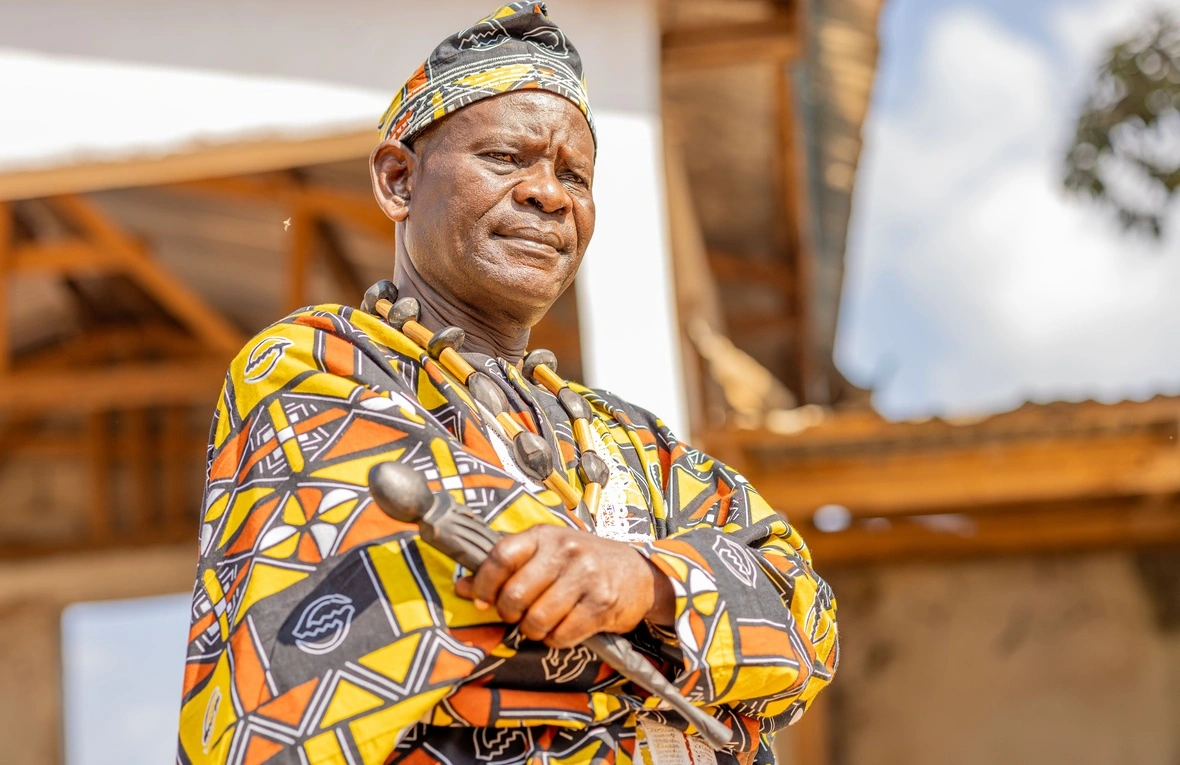
The 2025 Global Laureate, Martin Azia Sodea, is a traditional leader from Cameroon whose actions have become a powerful symbol of solidarity.

When tens of thousands of refugees fleeing violence in the Central African Republic arrived in Gado-Badzéré, Chief Sodea and his community made a decisive choice: no one would be turned away. Villagers shared land for housing and farming, helping more than 36,000 refugees rebuild their lives.

“We are all human beings, and we have to take care of each other,” he said, recalling how residents rescued exhausted refugees who collapsed along the road. “There is no distinction between refugees and the host population. We live together.”

His leadership has inspired neighbouring communities and traditional leaders, reshaping attitudes toward refugees across the region.


Regional Champions of Inclusion and Hope

Four additional regional laureates were also recognised in 2025:

  • Mexico: Business leader Pablo Moreno Cadena has championed refugee inclusion by encouraging major employer MABE to hire hundreds of refugees, demonstrating that integration strengthens both businesses and communities.
  • Ukraine: The humanitarian organization Proliska continues to deliver life-saving assistance to millions, often reaching devastated areas within hours of shelling or air strikes.
  • Iraq: Taban Shoresh, a genocide survivor, founded The Lotus Flower, which has supported over 105,000 conflict survivors with protection, counselling, and livelihoods.
  • Tajikistan: Afghan refugee Negara Nazari co-founded the Ariana Learning Centre, providing education to displaced Afghan children who had previously been denied schooling.

A Powerful Message in Difficult Times

Together, the 2025 Nansen Award laureates send a clear message: kindness, courage, and inclusion can change lives. Even amid conflict, displacement, and uncertainty, their actions show that compassion for refugees is not fading — it is being renewed every day by ordinary people making extraordinary choices.

UN and Partners Back New Measures to Help Millions Move from Vulnerability to Opportunity

Senior UN officials and development partners meeting in Doha have reaffirmed their commitment to helping the world’s Least Developed Countries (LDCs) transition toward lasting stability and prosperity—while ensuring that hard-won development gains are not lost once countries leave the LDC category.

The three-day meeting brought together ministers, international agencies, and development partners to focus on how countries can “graduate” successfully from LDC status and, crucially, remain resilient afterward. Graduation occurs when countries reach minimum thresholds in income, human assets, and economic resilience.

At the centre of discussions was the Doha Programme of Action (DPOA), which aims to support 15 additional countries in graduating from LDC status by 2031.


Graduation Is Not the Finish Line

While graduation marks progress, many LDCs remain highly vulnerable to climate shocks, conflict, debt distress, and global trade disruptions. UN experts warned that without tailored post-graduation support, progress can quickly unravel.

Closing the meeting, Rabab Fatima, UN High Representative for LDCs, Landlocked Developing Countries and Small Island Developing States, said the discussions reflected a shared determination to make graduation a genuine turning point.

“There is a strong collective will to ensure that graduation becomes a gateway to resilience, opportunity and sustainable prosperity,” she said, calling for deeper cooperation and concrete incentives to support countries beyond graduation.


Learning from Countries in Transition

Countries preparing to graduate—including Bangladesh, Lao People’s Democratic Republic, and Nepal—shared lessons from their national transition plans.

States that have already graduated highlighted the challenges of phasing out preferential trade benefits and concessional support, stressing the importance of Smooth Transition Strategies—nationally owned plans that help governments adapt to reduced international assistance.

Delegates agreed these strategies must be:

  • Realistic and country-led
  • Integrated into long-term development planning
  • Supported by continued international cooperation

Boosting Productive Capacity and Trade

The meeting emphasized the need to strengthen productive capacity, particularly through:

  • Digital transformation
  • Green and climate-resilient industries
  • Expanded and diversified trade opportunities

These measures are seen as essential for helping LDCs withstand volatile global economic conditions.


New Funding for Transition Support

A key outcome was renewed backing for the iGRAD Facility, which supports countries during the graduation transition period.

The Qatar Fund for Development announced a $10 million pledge to strengthen the facility.

Its Director General, Fahad Hamad Al-Sulaiti, said the contribution reflects Qatar’s commitment to turning the DPOA into measurable progress, highlighting the power of collective action in supporting vulnerable economies.


What Comes Next

The meeting concluded with the Doha Agreed Statement on Global Partnerships for Sustainable Graduation, outlining principles for a more incentive-based and coordinated approach to supporting graduating countries.

A detailed summary of recommendations will be prepared by Office of the High Representative for the Least Developed Countries, Landlocked Developing Countries and Small Island Developing States and submitted to the UN General Assembly ahead of key global discussions in 2027.

World News in Brief: Global Economy Stalls, Modern Slavery Surges, Informal Jobs Persist in Latin America

Global economy slows sharply in 2025 – UNCTAD

Global economic growth is expected to drop to 2.6% in 2025, down from 2.9% in 2024, according to a new analysis by the UN Conference on Trade and Development (UNCTAD).
The report warns that financial market volatility and geopolitical tensions are increasingly shaping global trade, placing developing economies under heavy strain.

UNCTAD Secretary-General Rebeca Grynspan stressed that trade today is driven not only by supply chains but also by credit systems, currency markets, and capital flows.

Key pressures highlighted in the report:

  • Developing countries face high borrowing costs, unstable financial conditions, and climate-related economic risks.
  • States exposed to repeated climate shocks now pay an extra $20 billion annually in interest, due to increased risk perception.
  • The US dollar’s dominance is intensifying: its use in SWIFT transactions rose from 39% to about 50% in five years.
  • While this can provide stability during global shocks, it also deepens developing countries’ vulnerability to US financial cycles.

Modern slavery reaches 50 million people worldwide

At the International Day for the Abolition of Slavery (2 December), UN Secretary-General António Guterres warned that slavery remains a global emergency, not a historical footnote.

Today:

  • 50 million people are trapped in modern forms of slavery
  • Forced labour generates $236 billion in global profits—effectively stolen wages
  • Women and children remain disproportionately affected

Modern slavery includes human trafficking, sexual exploitation, forced marriage, child labour, and the recruitment of children in armed conflict.

Regional estimates:

  • Asia & Pacific: 15.1 million
  • Europe & Central Asia: 4.1 million
  • Africa: 3.8 million
  • Americas: 3.6 million
  • Arab States: 0.9 million

Guterres urged governments to intensify efforts to dismantle trafficking networks and protect vulnerable communities facing poverty, discrimination, conflict, or climate-driven displacement.


80% of agricultural jobs in Latin America remain informal – ILO & FAO

A new joint report by the International Labour Organization (ILO) and the UN Food and Agriculture Organization (FAO) reveals that over 80% of agricultural employment in Latin America continues to be informal, leaving workers without legal protection or social security.

Key findings:

  • 86.4% of women in agriculture work informally (vs. 78% of men)
  • The sector accounts for 46% of all child labour in the region
  • More than half of agricultural workers have low levels of education

Despite limited progress since 2019, informal employment remains widespread, especially among women, youth, and older rural workers.
ILO and FAO are urging the development of integrated policies that transform agriculture into a sector capable of delivering decent work, food security, and sustainable development.

Myanmar’s Planned Elections Draw Strong UN Warnings: “A Path to Deeper Repression, Not Democracy”

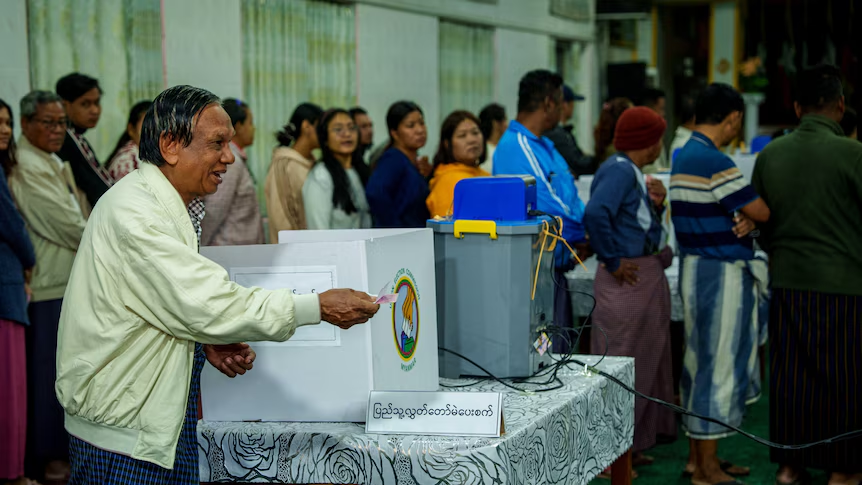
The UN is sounding the alarm over Myanmar’s planned late-December elections, warning that the vote is being engineered under military control in an environment defined by fear, violence, and extreme political repression.

According to UN Human Rights Office (OHCHR) spokesperson Jeremy Laurence, voting set for 28 December will take place under conditions “rife with threats and violence,” where genuine political participation is actively suppressed.
Since the 2021 coup, more than 30,000 political opponents, including elected leaders, parliamentarians, and activists, have been detained.

Rather than restoring democratic rule, OHCHR warns that the process will intensify insecurity, fear, and polarisation across the country. Their priority, they say, remains halting violence and ensuring humanitarian access—which the military continues to obstruct.

Civilians Trapped Between Pressure and Fear

Speaking from Bangkok, James Rodehaver, head of OHCHR’s Myanmar team, described an atmosphere where civilians are caught between military coercion to vote and armed opposition groups urging them not to participate.

The junta claims it has issued 4,000 pardons, but UN monitoring shows that fewer than 15% of those released have actually been seen leaving detention—and some were rearrested shortly after. Meanwhile, more than 100 new arrests have been made under new election-related “protection rules.”

OHCHR also verified cases such as three youths sentenced to 49 years simply for putting up posters depicting a ballot box pierced by a bullet.

AI Surveillance and Electronic-Only Voting

UN officials expressed deep concern about the military’s introduction of electronic-only voting, paired with expanded surveillance systems using AI and biometric tracking.
These measures, they warn, may further destroy public trust and increase risks for voters.

Humanitarian conditions are worsening as civilians are forced to return home to vote despite active conflict, while aid continues to be blocked in many regions. Nearly 23,000 detainees remain behind bars who “should never have been arrested,” OHCHR said.

Special Rapporteur: “A Charade Designed for Foreign Recognition”

In his October 2025 report to the UN General Assembly, UN Special Rapporteur Tom Andrews called the junta’s planned elections “a charade”, urging the international community to reject the process outright.

Key elements from his assessment include:

  • Institutional changes by the junta are purely cosmetic.
  • Power remains tightly concentrated within military leadership.
  • Opposition leaders, including Aung San Suu Kyi, remain imprisoned.
  • Over 40 political parties, including the National League for Democracy (NLD), have been dissolved.
  • New laws criminalise dissent, restrict online expression, and impose severe penalties for any perceived interference.
  • Large parts of the country are still beyond military control, making a legitimate national election impossible.

According to Andrews, these elections aim not at winning public consent, but at securing international recognition for the junta’s rule.

Crisis in Sudan Deepens: Mass Displacement and Trafficking Fears After Fall of El Fasher

The humanitarian situation in Sudan’s El Fasher has sharply worsened, with mass displacement, rising reports of trafficking, and severe restrictions on aid access following the Rapid Support Forces’ (RSF) takeover of the city.

UN agencies warn that North Darfur and neighbouring Kordofan are experiencing accelerating displacement and escalating protection risks, especially for women and children. Independent human rights experts say the collapse of civilian protection after El Fasher’s fall has dramatically increased threats of sexual violence, exploitation, and child recruitment.

After 18 Months Under Siege

El Fasher, the last major government-held city in Darfur, fell to RSF on 26 October 2025, ending an 18-month siege that choked residents off from food, medical care, and essential supplies.

According to the World Food Programme (WFP):

  • Families fleeing the fighting are now dispersed across five major areas, including Tawila.
  • Others have reached as far as Dabbah in Northern State and Khartoum.
  • Approximately 1,485 metric tons of food and nutrition supplies—enough for 130,000 people—are currently being transported toward Tawila through the Dabbah Crossing.

New Waves of Displacement in Kordofan

Meanwhile, fighting has intensified in both North and South Kordofan:

  • South Kordofan: Over 1,800 people displaced in a single day (Tuesday).
  • North Kordofan: Nearly 40,000 people displaced between 25 October and 18 November.

Sudan’s conflict, which began in April 2023 with a power struggle between the RSF and the Sudanese Armed Forces (SAF), has become one of the world’s worst humanitarian emergencies, marked by famine, mass civilian displacement, and systematic abuses.

Alarming Spike in Trafficking and Sexual Violence

UN-appointed human rights experts say they have received credible reports of:

  • Trafficking of women and girls for sexual exploitation
  • Sexual slavery in RSF-controlled areas
  • Child recruitment, especially boys
  • Multiple cases of rape and sexual abuse, including the gang-rape of 25 women near El Fasher University

The experts warn:

“Women and girls have been abducted in RSF-controlled areas, and unaccompanied or separated children are at extreme risk of sexual violence and exploitation.”

Since May 2024, over 470,000 people have been displaced multiple times from camps such as Shagra, Zamzam, and Abu Shouk.
Across Sudan, nearly 12 million people—almost half of them children—are now internally displaced or have fled to neighbouring countries.

Urgent Diplomatic Efforts

The UN Secretary-General’s Personal Envoy for Sudan, Ramtane Lamamra, will travel to Port Sudan and Addis Ababa next week to renew efforts toward political dialogue. His mission will focus on:

  • Civilian protection
  • Unhindered humanitarian access
  • Stabilizing Darfur and Kordofan

Civilian Deaths in Ukraine Surge Beyond Last Year’s Total as Winter Deepens the Crisis, Security Council Told

Ukraine is entering one of its harshest winters since the conflict began, with millions of civilians now facing freezing temperatures without heating, water, or basic public services. Civilian deaths recorded so far in 2025 have already surpassed the entire toll of 2024, UN officials told the Security Council on Thursday.

Escalating aerial attacks

“Ukrainian civilians continue to bear the brunt of the Russian Federation’s escalating aerial campaign,” said Kayoto Gotoh, Europe Director with the UN Department of Political and Peacebuilding Affairs (DPPA).

She described a relentless wave of missile and drone strikes across the country, including a major barrage on Wednesday night that killed at least 25 people.

Despite the intensifying attacks, Gotoh noted that UN operations have helped provide electricity, heating, water, and sanitation support to more than six million people this year.

She also highlighted a rare diplomatic breakthrough: the IAEA successfully brokered an agreement for both sides to reconnect the Zaporizhzhia Nuclear Power Plant to the national grid.

“No region is safe”

While frontline regions continue to endure the highest casualty rates, Russia’s expanding use of long-range weapons is exposing the entire country to danger.

Wednesday’s attacks struck western regions, including Lviv and Ivano-Frankivsk, far from the frontlines.
“No region of Ukraine is safe,” Gotoh warned.

The human toll is staggering:

  • Civilian deaths in Kyiv by late October were nearly four times higher than the total for all of 2024.
  • Nationwide civilian casualties have already exceeded last year’s figures.
  • Since the start of the war, 14,534 civilians — including 745 children — have been killed, according to the UN human rights office (OHCHR).

Russian authorities also report that 392 people, including 22 children, have been killed by Ukrainian drone strikes, though the UN has not been able to independently verify those numbers.

Displacement rising as humanitarian resources shrink

Humanitarian operations face growing strain as millions continue to flee violence:

  • 3.7 million people are internally displaced across Ukraine
  • Nearly 6 million refugees remain abroad
  • 122,000 people have been newly displaced this year, mostly from frontline areas

Aid workers operate under constant shelling, rapidly shifting battle lines, and severe security risks, said Edem Wosornu, Director of Operations and Advocacy at OCHA.

She warned that the underfunded 2025 humanitarian response plan is already forcing life-saving services to scale back:

  • 72,000 displaced people lack adequate winter shelter
  • Support services for survivors of conflict-related sexual violence are being reduced
  • Programmes for over 600,000 women and girls are being suspended

“We urgently call for the protection of civilians and civilian infrastructure — including humanitarian and medical staff,” Wosornu said.

UN Peacekeepers in Lebanon Targeted by Israeli Tank Amid Rising Tensions

November 16, 2025 | Middle East | Peace and Security

A United Nations peacekeeping patrol in southern Lebanon narrowly avoided casualties after an Israeli tank shell landed just meters from their position on Sunday, escalating concerns over recent violations along the tense border area.

According to the United Nations Interim Force in Lebanon (UNIFIL), its foot patrol came under fire near the “Blue Line” – the UN-monitored demarcation separating Israel and Lebanon – when an Israeli Merkava tank positioned in Lebanese territory launched heavy artillery in their direction.

Shells Landed Just 5 Meters Away

UNIFIL reported that the incident occurred during routine operations and forced peacekeepers to retreat and seek shelter. A direct communication channel with the Israeli Defense Forces (IDF) was used to halt further shelling. The situation de-escalated approximately 30 minutes later when the tank withdrew.

“Fortunately, no injuries were reported,” UNIFIL confirmed. “However, this is a serious violation of UN Security Council Resolution 1701.”

Resolution 1701, adopted in 2006, mandates a cessation of hostilities and the respect of Lebanese sovereignty following the war between Israel and Hezbollah. The Israeli military later claimed the attack was a result of “misidentification” due to poor visibility, stating the peacekeepers were mistakenly targeted and that there was no intention to harm them.

Third Incident in Three Months

This latest event marks the third such confrontation in recent months. On September 2, Israeli drones reportedly dropped grenades near UN troops attempting to clear roadblocks. Another incident on October 26 involved a grenade drop followed by direct tank fire targeting peacekeepers.

These repeated violations have drawn criticism and raise questions about the safety and neutrality of UN operations in volatile regions.

UN Mission Nears Completion

UNIFIL is currently set to complete its long-standing mission in Lebanon by the end of 2027. Initially deployed in 1978, the peacekeeping force now comprises over 10,000 personnel and has been central in maintaining fragile calm along the Israel–Lebanon border.

Following the 2006 war and renewed clashes in Autumn 2024, the UN expanded its mandate to include support for the Lebanese Army’s redeployment in southern regions where government control remains weak.

UN Calls for Restraint and Respect for International Law

“Once again, we urge the IDF to refrain from any aggressive actions or strikes near our peacekeeping units,” UNIFIL stated, emphasizing their role in preserving stability in a region both Israel and Lebanon claim to seek peace within.

As tensions simmer in the Middle East, UN officials stress the need for strict adherence to international law and protection of neutral peacekeeping personnel operating in conflict zones.

UN Denounces Civilian Deaths After Devastating Missile Attack on Kyiv

Kyiv, Ukraine – November 14, 2025

In the wake of a deadly missile and drone strike that shook Ukraine’s capital and surrounding regions, the United Nations has strongly condemned the continued targeting of civilians and critical infrastructure as winter sets in.

The early morning assault on Friday led to the deaths of multiple civilians and left many others wounded, including at least two children, according to preliminary reports. Residential areas, medical facilities, and heating networks in Kyiv suffered significant damage.

“Ongoing Civilian Harm is Unacceptable,” Says UN Coordinator

Matthias Schmale, the UN Humanitarian Coordinator in Ukraine, issued a public statement condemning the strike:

“The relentless pattern of attacks on civilian targets must end. These strikes continue to devastate families, damage hospitals and homes, and threaten lives during one of the harshest seasons of the year.”

Children Caught in the Crossfire

The UN Children’s Fund (UNICEF) confirmed that children were among those injured, including a 7- and a 10-year-old. As power and heating infrastructure are repeatedly targeted, humanitarian organizations warn of dangerous conditions for families, especially the youngest and most vulnerable.

A local boy named Viacheslav recounted the horror of the explosion to UN teams:

“There was a loud rumble, then the windows blew out. I was terrified,” he said, recalling the moment the strike hit his neighborhood.

Humanitarian Aid Struggles to Keep Up

The full-scale war, now entering its fourth year, has left deep scars on the Ukrainian population. Over 14,500 people have lost their lives since the conflict escalated, and nearly 13 million citizens are currently in need of urgent humanitarian assistance.

Despite ongoing security threats and infrastructure breakdowns, 8.4 million people received aid last year, according to the UN’s Office for the Coordination of Humanitarian Affairs (OCHA).

Ukraine’s Energy Grid Under Attack

The UN also expressed deep concern over renewed attacks on Ukraine’s energy infrastructure. October saw emergency power cuts in multiple regions, further straining civilian access to heat, light, and essential services.

Call for Protection and Peace

UNICEF and other aid agencies have renewed calls for an immediate end to attacks that put civilians—especially children—at risk.
The UN continues to urge the protection of non-combatants and the safeguarding of critical infrastructure, in line with international humanitarian law.


Why This Matters:
With winter approaching, the destruction of energy and heating facilities poses a life-threatening risk to millions in Ukraine. Continued attacks not only violate international laws but deepen the humanitarian crisis already gripping the nation.

Tanzania in Turmoil: Reports Emerge of Mass Killings and Arrests Following Controversial Election

Dar es Salaam, Tanzania – November 11, 2025

Alarming reports from Tanzania reveal a deepening human rights crisis in the wake of last month’s disputed elections, with hundreds feared dead and many more missing or detained, according to the United Nations human rights office (OHCHR).

The unrest erupted on October 29 when widespread protests broke out following the controversial re-election of President Samia Suluhu Hassan. Demonstrations quickly turned violent, and evidence has surfaced of a brutal crackdown by security forces.

Families Desperate for Answers
The UN High Commissioner for Human Rights, Volker Türk, expressed grave concern over disturbing accounts of families searching in vain for missing loved ones, making desperate rounds between hospitals and police stations.

“There are harrowing reports of bodies being removed from public areas and medical facilities, allegedly by security forces, and taken to unknown locations—possibly to conceal evidence,” Türk said, calling the situation “deeply troubling.”

Unverified Death Toll and Internet Blackout
While the true scale of the tragedy remains unclear due to an ongoing internet shutdown and a volatile security climate, OHCHR has received credible reports of extensive violence and a growing number of casualties.

Opposition party Chadema confirmed that several senior leaders were detained during the protests, with only a few granted bail in recent days. Over 150 individuals have reportedly been arrested since the vote, including minors. Alarmingly, many of those detained have been charged with treason—a serious accusation under Tanzanian law.

UN Calls for Accountability and Transparency
High Commissioner Türk has called on Tanzanian authorities to:

  • Publicly disclose the whereabouts of missing individuals.
  • Return the bodies of the deceased to their families for proper burials.
  • Release all individuals arbitrarily detained, especially opposition figures and protestors.
  • Guarantee due process in accordance with international human rights obligations.

Election Aftermath
President Hassan was declared the winner of the general election with an overwhelming 98% of the vote, a result rejected by opposition parties and sparking nationwide protests.

The global human rights community is now urging swift, transparent investigations and the protection of civil liberties in Tanzania to prevent further escalation.