AI Must Not Decide Humanity’s Fate, UN Chief Warns Security Council

By Vibhu Mishra
Date: 24 September 2025
Category: Peace and Security


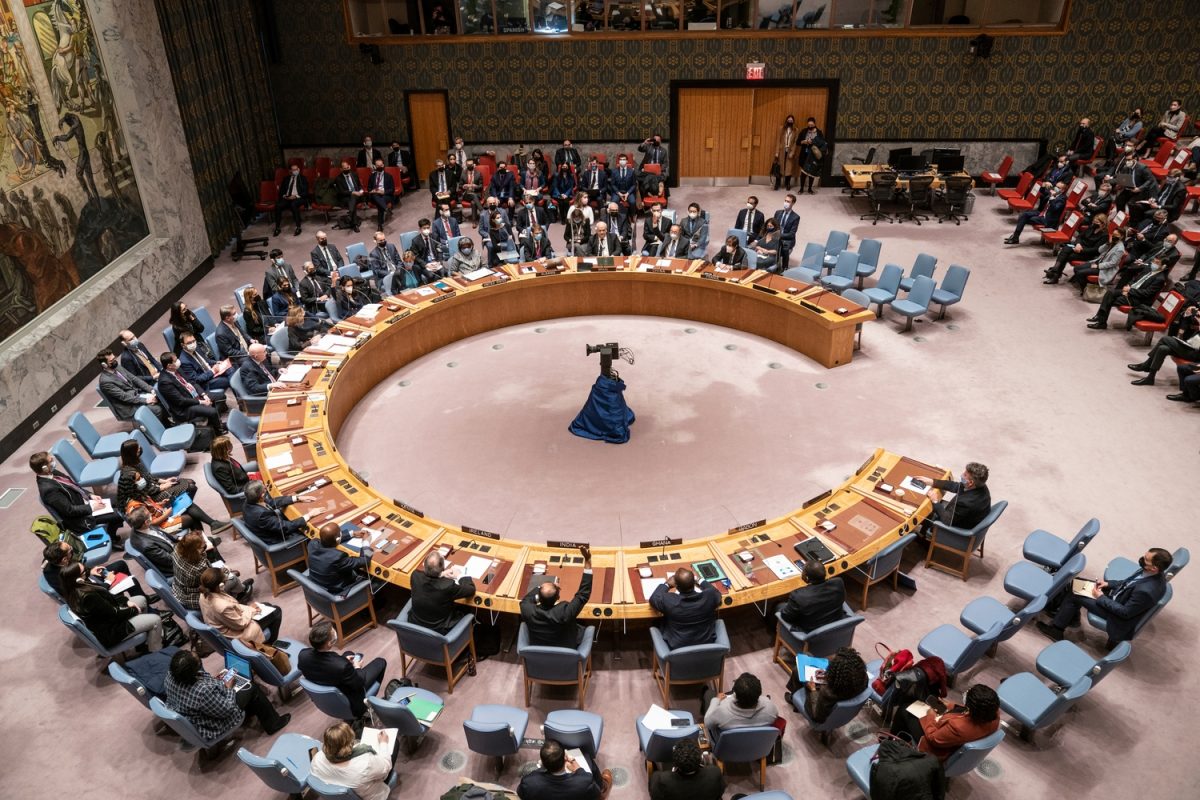
Artificial intelligence (AI) offers unprecedented opportunities but also carries grave risks if left unchecked, UN Secretary-General António Guterres told the Security Council during a high-level debate on Wednesday.

“AI is no longer a distant horizon – it is here, transforming daily life, the information space, and the global economy at breathtaking speed. The question is not whether AI will influence international peace and security, but how we will shape that influence.”

Promise and Peril

Mr. Guterres highlighted AI’s potential to anticipate food insecurity, support de-mining, and detect violence before it erupts. Yet without safeguards, he cautioned, AI can be weaponised.

Recent examples include:

  • AI-enabled targeting in armed conflicts
  • Cyberattacks on critical infrastructure
  • Deepfakes spreading disinformation, polarisation, and diplomatic crises

“The ability to fabricate and manipulate audio and video threatens information integrity… humanity’s fate cannot be left to an algorithm,” he warned.

Four Global Priorities

The UN chief urged governments to:

  1. Maintain human control over the use of force
  2. Develop coherent global regulations for AI
  3. Protect information integrity
  4. Close the “AI capacity gap” between rich and poor nations

He reiterated his call for a ban on lethal autonomous weapons systems that operate without human control, with the goal of adopting a legally binding treaty by next year. Decisions on nuclear weapons, he stressed, “must rest with humans – not machines.”

Governance Efforts Underway

Mr. Guterres pointed to recent steps, including:

  • An independent scientific panel on AI
  • A global dialogue on AI governance, convening in New York

These initiatives aim to connect science, policy, and practice, ensuring all nations have a voice and reducing governance fragmentation.

Calls for Inclusion

Yejin Choi, Senior Fellow at Stanford University’s Institute for Human-Centered AI, warned that current AI progress is concentrated among a few companies and nations.

“When only a few have the resources to build and benefit from AI, we leave the rest of the world waiting at the door.”

She urged investment in smaller, adaptive systems that lower entry barriers, and pressed for stronger linguistic and cultural diversity, noting AI’s persistent underperformance in non-English languages.

Act Without Delay

Closing the session, Mr. Guterres warned that time is running out to establish effective rules.

“From nuclear arms control to aviation safety, humanity has faced destabilising technologies before – and responded with rules, institutions, and respect for human dignity. The window is closing to shape AI – for peace, for justice, for humanity. We must act without delay.”

‘No End’ Expected to Floods and Storms as Global Heating Continues

Date: 18 September 2025
Category: Climate and Environment


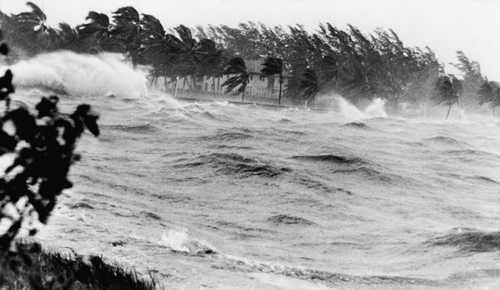
The world’s water systems are under mounting stress from climate change, with floods, storms, and droughts increasingly threatening lives and livelihoods across the globe, the UN World Meteorological Organization (WMO) warned on Thursday.

“Water-related hazards continue to cause major devastation this year,” said Celeste Saulo, WMO Secretary-General. “Unfortunately, we see no end to this trend.”

Rising Temperatures, Rising Risks

The WMO’s latest report on the state of global waterways confirms that 2024 was the hottest year in 175 years of record-keeping, with average surface temperatures 1.55°C above pre-industrial levels (1850–1900).

Hotter air holds more moisture, intensifying rainfall and making severe floods and storms more frequent. Recent disasters include:

  • Monsoon flooding in Pakistan
  • Flash floods in Bali, Indonesia
  • Deadly flooding in South Sudan

Storm Boris and Beyond

The legacy of Storm Boris in September 2024 still looms large. The storm triggered once-in-a-century floods across central and eastern Europe, displacing tens of thousands. Yet experts warn such rare disasters are now likely to occur more often than statistics once suggested.

“A ‘century event’ happened – but statistics show extreme events may become more frequent,” said Stefan Uhlenbrook, WMO Director of Hydrology.

Himalayan and Amazon Disruptions

Other examples of climate-driven disruption include:

  • Himalayan regions (Himachal Pradesh, Jammu & Kashmir): Early and extreme monsoon rains.
  • Amazon Basin: Severe drought worsened by El Niño.
  • North America, Mexico, southern Africa: Below-average rainfall, compounding water insecurity.

While El Niño contributed, WMO scientists stress that climate change is the primary driver of extreme droughts and floods worldwide.

A Connected World, A Broken Cycle

The WMO report found wetter-than-normal conditions in Africa’s Lake Victoria region, Kazakhstan, southern Russia, Pakistan, India, Iran, and northeastern China. At the same time, only one-third of the world’s river basins reported normal levels, underscoring widespread water cycle disruption.

Glaciers are retreating at alarming rates:

  • In 2024, glaciers lost 450 gigatonnes of ice – equal to 180 million Olympic swimming pools.
  • This added 1.2 mm to global sea levels, threatening hundreds of millions in coastal regions.

“2024 was the third straight year with widespread glacial loss,” Ms. Saulo said, warning of growing flood risks worldwide.

The Urgent Need for Data

The WMO emphasized that better monitoring of streamflow, groundwater, soil moisture, and water quality is essential. Many regions remain critically under-monitored, leaving governments and communities unprepared for worsening crises.

South-South Cooperation: A Pathway to Equitable Global Development

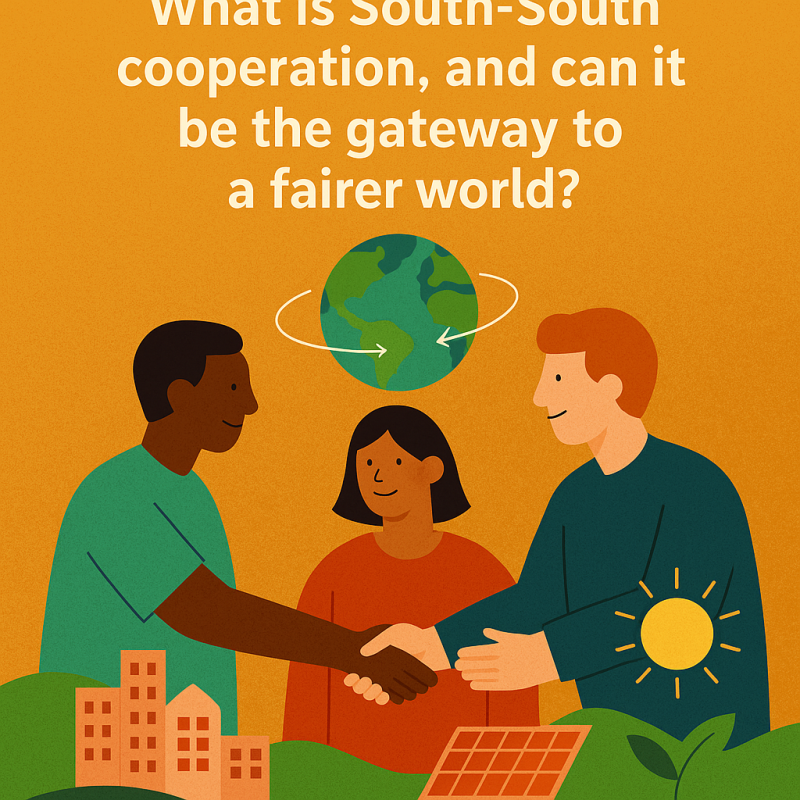
In an era of global uncertainty, many developing nations are discovering that the key to sustainable progress lies not in aid from wealthier states, but in solidarity with one another. Known as South-South cooperation, this model promotes collaboration among developing countries to share resources, expertise, and innovative solutions.

What is South-South Cooperation?

South-South cooperation refers to partnerships between countries in the Global South—regions that share similar post-colonial challenges and development goals. These collaborations span governments, civil society, academia, and the private sector, aiming to exchange knowledge and resources to meet shared objectives such as economic resilience, climate action, and digital transformation.

The UN Office for South-South Cooperation (UNOSSC), established in 1974, supports and promotes these partnerships globally. With 80% of the world’s population living in the Global South, the potential for innovation and inclusive growth is vast.

Turning Challenges into Opportunities

Although nations in the Global South face significant hurdles—geopolitical tensions, limited funding, and a widening digital divide—they also hold enormous untapped potential. By focusing on joint development strategies, countries are transforming adversity into opportunity.

For example:

  • Morocco’s success in solar energy has inspired similar projects across sub-Saharan Africa.
  • Saudi Arabia is sharing its expertise in water desalination with drought-affected nations.
  • The UAE’s Masdar City is pioneering clean technology research for global benefit.
  • The Islamic Development Bank is facilitating knowledge sharing across its 57 member states, driving sustainable agriculture and infrastructure.

The Role of South-South Cooperation in Multilateralism

South-South initiatives like the India-UN Development Partnership Fund highlight the collective power of nations working together to meet the Sustainable Development Goals (SDGs). While not a replacement for North-South partnerships, these alliances demonstrate that collaborative action can lead to meaningful, scalable results.

As tensions rise globally, South-South cooperation offers a hopeful path forward—reaffirming the need to build bridges rather than barriers and fostering a more inclusive and balanced global development system.

UN Human Rights Chief Warns of Rising Global Violence and Erosion of International Law

8 September 2025 – Human Rights

The United Nations High Commissioner for Human Rights, Volker Türk, has delivered a stark warning about the state of human rights and the global order, calling out the growing “glorification of violence” and widespread efforts to weaken the rule of law.

In an address to the UN Human Rights Council in Geneva, Türk cautioned that the international community is facing a critical moment. “No one is safe when human rights are under attack,” he emphasized, urging world leaders to recognize the danger of allowing violations to go unchecked.

Rule of Law Under Siege

Türk expressed deep concern about countries disregarding international norms that were established to prevent global conflict after World War II. He criticized the normalization of human rights violations and warned that when laws are applied inconsistently, it undermines the legal order for everyone.

From militarized displays to rising pro-war rhetoric, the UN rights chief noted a global shift toward authoritarianism and repression. “Some States are becoming an extension of their ruler’s personal power,” he said, highlighting the urgent need for governments to recommit to the principles of peace, justice, and accountability.

Violations Across the Globe

During his speech, Türk gave an overview of human rights crises unfolding around the world:

  • Gaza: He described the area as a “graveyard,” citing mass civilian deaths and calling for an immediate halt to arms transfers to Israel that may breach international law.
  • Sudan: Civilians in El Fasher remain under relentless bombardment, with the risk of further atrocities looming.
  • Myanmar: Four years after the military coup, the population continues to suffer severe rights violations.
  • Ukraine: Escalating drone attacks have intensified the impact of Russia’s full-scale invasion.
  • Afghanistan: Women and girls have been nearly erased from public life.
  • West Africa: Anti-LGBTQ+ legislation is on the rise, and restrictions on civil freedoms are increasing ahead of several national elections.
  • China: No meaningful progress has been made to address the rights of Uyghurs and other Muslim minorities.
  • Migration: Forced returns of refugees, including Afghans and Rohingya Muslims, have occurred in countries like Iran, Pakistan, and India. European countries and the United States were also cited for tightening asylum measures.

Democratic Rights at Risk

Türk also raised alarms over the shrinking space for political opposition, press freedom, and peaceful assembly in countries preparing for upcoming elections. He pointed to worrying trends in Cameroon, Tanzania, Uganda, and several others where repression is increasing.

A Call to Action

Calling for renewed global commitment to human rights, the UN rights chief underscored the importance of teaching future generations that these freedoms are not optional—they are universal birthrights.

“We’re talking about the future of humanity, global peace, and stability,” he said. “When one group’s rights are violated, the freedoms of all are threatened.”

The Earthquake of Afghanistan: Aid Workers Race to Reach Isolated Survivors

2 September 2025 | Humanitarian Aid

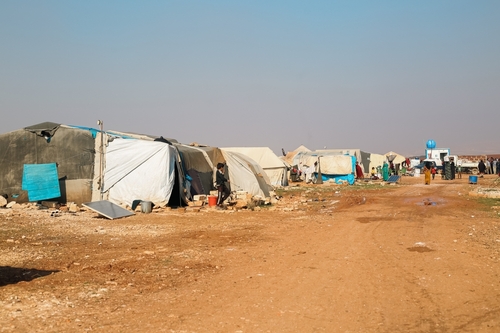
A magnitude-6 earthquake struck eastern Afghanistan overnight, leaving a trail of destruction across remote mountainous regions. More than 800 people have died, and over 2,000 are injured, though officials warn the overall impact could affect hundreds of thousands.

The quake collapsed structures made of mud and timber, with roofs often falling on sleeping occupants. These materials, common in rural homes, contributed to high casualties.


Access Challenges and Rescue Efforts

Rescue operations are being hampered by damaged roads, landslides, and rockfalls. Many communities remain cut off due to prior rainfall-induced obstruction.

To scale up relief efforts, 20 emergency assessment teams and 15 mobile units have been deployed. The UN Humanitarian Air Service has increased flights between Kabul and Jalalabad to deliver aid and personnel.

Communication networks have collapsed in affected areas, complicating coordination. Humanitarian staff are relying on helicopters and overland routes to reach remote villages. Evacuating casualties requires long, arduous journeys.


Urgent Health Risks

Public health emergencies are mounting. UN officials emphasize the need for immediate disposal of bodies and dead livestock to prevent outbreaks of waterborne diseases. In addition, psychological support is being prioritized to help survivors cope with trauma.

The Afghan Red Crescent is among the first responders, navigating hazardous terrain where roads are blocked. Their teams walk up to five hours to reach remote communities and transport the wounded back to overwhelmed hospitals.


Critical Humanitarian Needs

Displaced families urgently need tents, blankets, and tarpaulins to protect them from harsh mountain weather. Emergency nutrition, warm meals, and trauma care are in demand, though mobile health teams are in short supply, raising concerns about meeting basic needs.


A Humanitarian System Under Strain

Afghanistan faces chronic humanitarian challenges: 22.5 million people—half the population—need assistance. Food insecurity has surged due to drought, and cuts in aid have forced many services to shut down.

Adding to the strain, 2.4 million Afghans are returning from Pakistan and Iran, many forcibly deported. Most are returning to the quake-affected zones. These forced returnees are arriving with minimal resources, further overwhelming local capacity.

The 2025 humanitarian appeal for Afghanistan is only 28% funded—a shortfall that poses an urgent threat amid overlapping crises.

Afghanistan Quake: ‘Communities Are Struggling With Basic Survival’

Date: 8 September 2025
Category: Humanitarian Aid


A senior UN humanitarian official has urged swift international support for survivors of the magnitude 6 earthquake in eastern Afghanistan, warning that communities are fighting for basic survival and face a perilous winter without immediate assistance.

“We saw families whose lives had been shattered within minutes,” said Shannon O’Hara, Head of Strategy for OCHA in Afghanistan, speaking from Jalalabad. “Additional funding is urgently needed.”

Scale of Impact

  • ~40,000 people affected across Nangarhar, Kunar and nearby provinces
  • 5,000+ homes destroyed
  • 49 villages reached so far by OCHA teams
  • Access constraints: landslides, blocked one-lane mountain roads, and long on-foot approaches

Women and Children Bear the Brunt

Emergency responders are prioritizing women, children, and people with disabilities.

  • 11,600 pregnant women are estimated to be affected (UNFPA)
  • OCHA is deploying women health workers and expanding nutrition, psychosocial, and counseling services

Disease Risks Rising

Families are sheltering in tents or in the open, lacking clean water and sanitation.

  • Cholera is endemic, and 92% of assessed communities are practicing open defecation
  • Urgent scale-up of WASH (water, sanitation, hygiene) services is critical to avert outbreaks

Aid in Motion — But Not Enough Yet

  • 43,000 people have received ready-to-eat meals; tents, blankets, and sanitation kits are being distributed
  • OCHA has released $10 million for life-saving supplies and is finalizing an emergency response plan
  • WHO has delivered ~80 metric tonnes of emergency health supplies to date, including trauma and surgery kits, PHC kits, NCD kits, and essential medicines, with 35+ metric tonnes landing in Kabul on Monday for onward dispatch to hardest-hit areas

Winter Threat and Access Constraints

Heavy rain could flood displacement sites; aftershocks may trigger new landslides; and snow will soon block vital roads.

“If we don’t act now, these communities may not survive the coming winter,” Ms. O’Hara warned.


Key Needs (Immediate)

  • Shelter: durable tents, winterization kits, repair materials
  • Health: trauma care, maternal health, NCD medications, mobile clinics
  • WASH: safe water, latrines, cholera prevention, hygiene kits
  • Food & NFIs: ready-to-eat rations, blankets, cooking sets
  • Protection: services for women and children, psychosocial support

How Donors and Partners Can Help (Action Points)

  • Front-load flexible funding to OCHA’s emergency plan and pooled funds
  • Pre-position winter supplies before roads close
  • Scale mobile health/WASH teams to high-risk valleys
  • Support women-led delivery to ensure equitable access
  • Back logistics corridors (road clearance, fuel, local transport)

Global Update: Haiti’s Hunger Crisis Deepens, Civilian Casualties Mount in Myanmar, Belarus Urged to Investigate Prison Deaths

Archive

16 July 2025 | Peace & Security

HAITI: Hunger and Underfunding Amid Worsening Violence
The humanitarian crisis in Haiti continues to escalate, with over 5.7 million people facing food insecurity, the United Nations reports. Gang-related violence is crippling food production in vital agricultural areas such as Kenscoff and Artibonite, often referred to as the nation’s breadbasket.

Despite the best efforts of humanitarian agencies, only 38% of the targeted population has been reached, due to violent unrest, logistical challenges, and severe underfunding. The 2025 UN humanitarian appeal for Haiti remains the least funded globally, with just over 2% of the $425 million required received so far.

“We are doing what we can, wherever and whenever possible,” said UN Spokesperson Stéphane Dujarric.


MYANMAR: Civilian Suffering and Aid Access Blocked by Conflict
Nearly four months after a devastating earthquake, Myanmar’s conflict between the military and opposition forces is intensifying, with civilians increasingly caught in the crossfire.

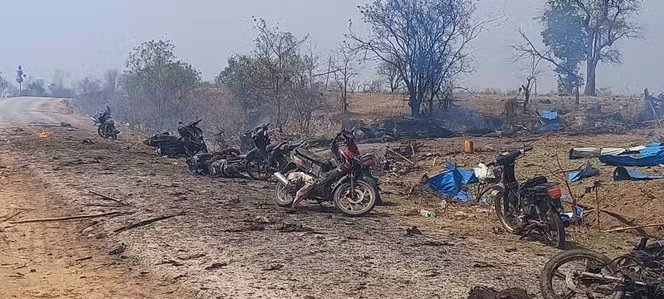
On 11 July, an airstrike hit a monastery sheltering displaced civilians in Sagaing Region, killing 22 people and injuring over 50. Another airstrike reportedly struck a displacement camp in North Shan State.

“These incidents are part of a broader pattern,” warned the UN, noting that one in three people in Myanmar now faces acute hunger, worsened by monsoon flooding and limited humanitarian access. The UN has called on all parties to respect international humanitarian law.


BELARUS: UN Experts Demand Probe into Political Prisoner Deaths
In Belarus, UN human rights experts are urging an independent investigation into the deaths of several political prisoners.

The case of Valiantsin Shtermer, 61, who died in May while incarcerated at Šklou Correctional Colony, has drawn international concern. Shtermer, imprisoned for criticizing Russia’s invasion of Ukraine, reportedly received inadequate medical care.

Similarly, Vitold Ashurak, a 50-year-old activist linked to the Belarusian National Front, died shortly after solitary confinement in the same facility. He had been jailed for participating in protests following the disputed 2020 presidential elections.

“These deaths must not be ignored,” said the UN Special Rapporteurs, stressing that the deaths appear to be retaliatory measures against individuals exercising their right to freedom of expression and peaceful assembly.

“There are strong reasons to believe these individuals lost their lives due to neglect and abuse in retaliation for their political beliefs.”

Gaza Water Crisis Worsens Amid New Displacement Orders

Archive

July 2, 2025 — Khan Younis, Gaza Strip
A vital water reservoir in Khan Younis has become unreachable following new Israeli displacement orders, heightening fears of a total collapse in the local water distribution network and further deepening Gaza’s humanitarian catastrophe.

The Al Satar reservoir, which plays a central role in distributing piped water from Israel, is now cut off after overnight evacuation notices were issued for two neighborhoods in southern Gaza. Up to 80,000 residents are affected, according to the UN Office for the Coordination of Humanitarian Affairs (OCHA).

“If this reservoir is damaged or continues to be inaccessible, the city’s entire water system could break down,” warned UN spokesperson Stéphane Dujarric.


Humanitarian Situation Reaching Breaking Point

The reservoir’s shutdown is the latest blow to Gaza’s collapsing infrastructure, already strained by fuel shortages, damaged supply chains, and widespread displacement.

🔻 85% of Gaza is now either under military control or designated evacuation zones.
🔻 Nearly 714,000 people have been forcibly displaced again since March.
🔻 29,000 were uprooted in just a single day earlier this week.

Overcrowded shelters are unable to cope. In most areas, people are sleeping outdoors without protection from the elements. A recent survey found that 97% of displacement sites lack proper shelter.

Nations Edge Closer to Historic Global Treaty on Plastic Pollution

Nice, France – June 12, 2025
As the Third UN Ocean Conference unfolded on the sun-soaked Mediterranean coast, a quieter but critical dialogue took place behind closed doors in Nice. Over 40 environment ministers from around the globe gathered to advance negotiations on a potentially landmark treaty to end plastic pollution — a global crisis now visible in every ecosystem and even within the human body.

The meeting, hosted by UN Environment Programme (UNEP) chief Inger Andersen, revealed growing momentum to finalize the world’s first legally binding treaty addressing plastic across its entire life cycle, from production to waste.

“We are choking on plastic,” said Jyoti Mathur-Filipp, the UN’s chief negotiator for the treaty process. “If we don’t act now, no ecosystem — land or sea — will remain untouched.”


Treaty in Sight: Final Talks Set for Geneva in August

The treaty’s development has moved at an unusually fast pace by UN standards. Since the 2022 mandate from the UN Environment Assembly, the Intergovernmental Negotiating Committee (INC) has convened five times, drafting a 22-page text that outlines its structure and legal components.

The final round of negotiations is scheduled for August 5–14 in Geneva, where delegates aim to wrap up the agreement ahead of a global diplomatic conference expected in late 2025 or early 2026.

“Countries are now negotiating article by article. We have a real treaty in the making,” Mathur-Filipp said.


What’s in the Treaty?

The draft treaty includes both mandatory and voluntary measures, making it adaptable to different national capacities. It proposes:

  • Rules to reduce plastic production.
  • Stronger waste management systems.
  • Global coordination on microplastics and marine pollution.
  • Implementation and compliance mechanisms.

Crucially, it recognizes the disproportionate impact on small island developing states, which often suffer the worst pollution despite contributing the least to the problem.


Why It Matters

According to UN data, without intervention, up to 37 million metric tons of plastic waste could enter the ocean annually by 2040. The economic damage from plastic-related harm could reach $281 trillion over the next two decades, harming tourism, fisheries, and coastal infrastructure.

“It’s costing us the economy, the environment, and our health,” said Mathur-Filipp.


The Road Ahead

The treaty’s success will hinge not just on its final text, but on whether it is ratified and enforced globally. This August’s meeting in Geneva is seen as a make-or-break moment.

“We’re running out of time,” said Mathur-Filipp. “But I believe the political will is finally catching up with the science.”

With the clock ticking and environmental costs mounting, the world is watching to see whether nations can come together — not just in words, but in legally binding action — to halt the plastic tide.