 العربية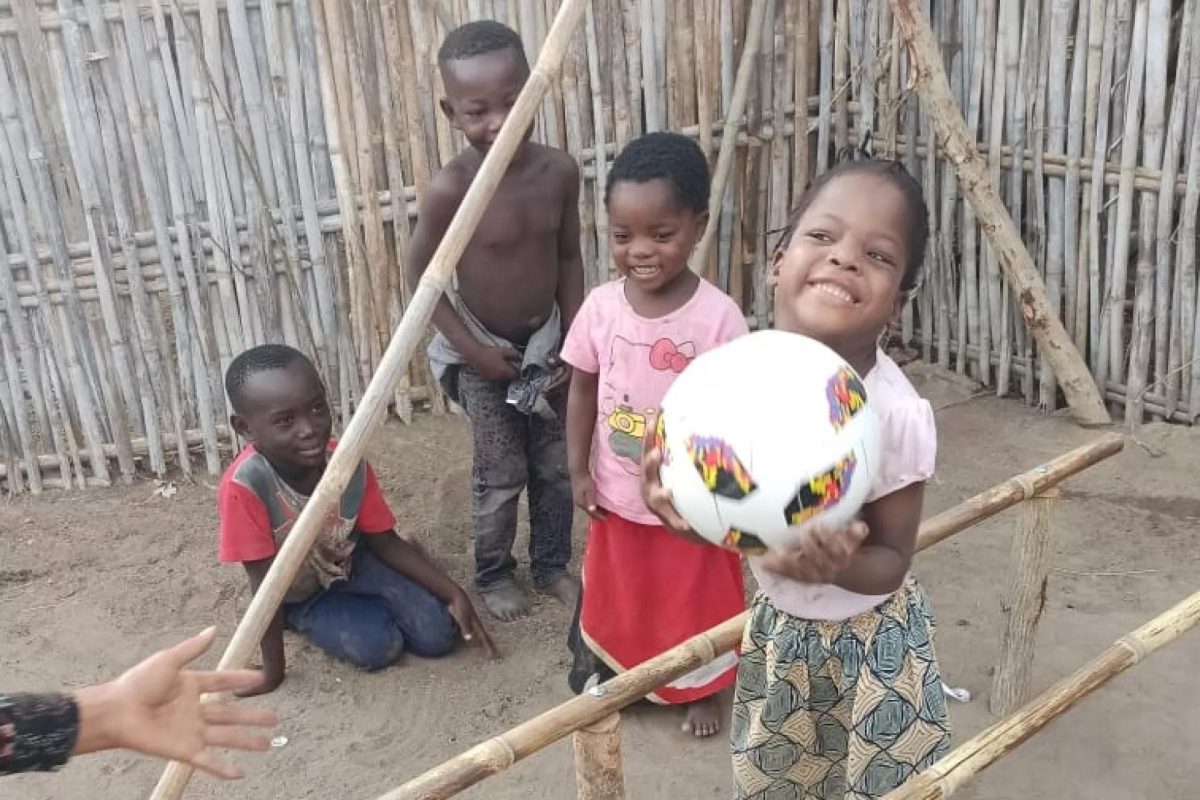
As the countdown to the 2026 FIFA World Cup begins, global leaders and athletes are highlighting the power of sport to unite communities and drive social change.
Speaking at an event near UN Headquarters, officials and athletes emphasized that football and other sports go beyond competition, helping to build connections across cultures and generations while promoting dialogue and inclusion.
🌍 World Cup 2026 Set to Reach Billions
The tournament, set to run from 11 June to 19 July 2026, will feature 48 national teams competing across 104 matches in Mexico, Canada, and the United States.
The final will take place at MetLife Stadium, close to the United Nations headquarters.
With billions expected to watch worldwide, the event is being seen as a major opportunity to promote unity and shared values through sport.
🤝 Community Programs Aim to Create Lasting Impact
Alongside the tournament, initiatives like the Play Collective will support grassroots sports organizations across host cities.
The programme—backed by groups such as Adidas Foundation, Beyond Sport Foundation, and Common Goal—aims to create safe and inclusive spaces for young people, reaching millions worldwide.
🕊️ Sport as a Tool for Peace and Inclusion
At the event marking the International Day of Sport for Development and Peace, speakers stressed that sport can break barriers and promote mutual respect.
Mary Connor highlighted similarities between teamwork in football and global cooperation, noting the importance of “making space for one another” despite differences.
🥇 Inspiring Stories from Global Athletes
Among the speakers was Nawal El Moutawakel, who made history at the 1984 Olympics as the first Arab and African woman to win gold.
She described sport as a pathway to resilience and empowerment, particularly for women, and pointed to growing gender equality in global sports leadership as a sign of progress.
Young athletes also shared personal stories of overcoming challenges such as poverty and mental health struggles through sport.
📊 Situation Overview
- 2026 World Cup to feature 48 teams and 104 matches
- Tournament hosted by Mexico, Canada, and the US
- Community programmes supporting millions of young people
- Sport highlighted as a tool for peace, inclusion, and development
As the world prepares for one of the biggest sporting events, officials say the true legacy of the World Cup will not only be measured in goals and trophies—but in its ability to bring people together and create lasting social impact.