Category Archives: Reports

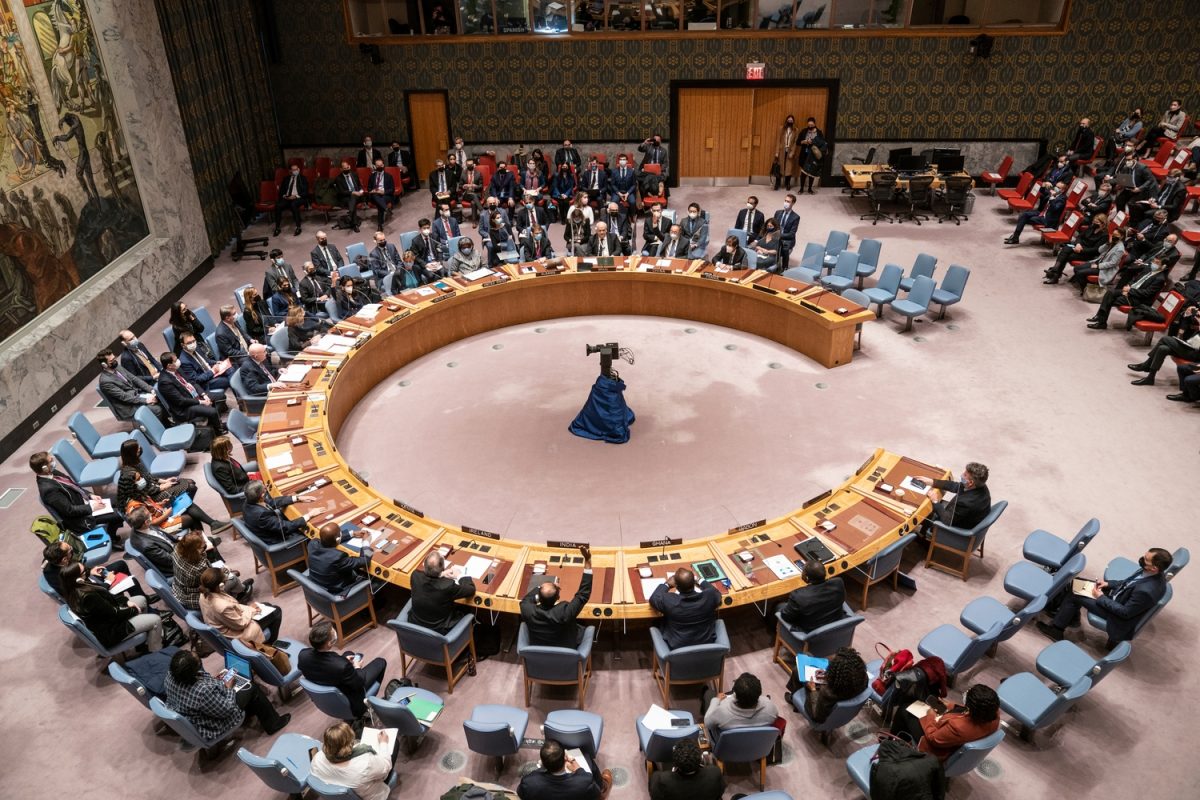
UN Security Council Blocks China-Russia Resolution on Iran Sanctions

Date: 26 September 2025
Category: Peace and Security

  • What happened:
    A draft resolution by China and Russia to extend sanctions relief for Iran under the 2015 nuclear deal (JCPOA) failed in the UN Security Council.
  • Voting results:
    • 4 in favor
    • 9 against
    • 2 abstentions
  • What the draft sought:
    • Extend JCPOA and UN resolution 2231 (2015) by six months (until April 2026).
    • Encourage engagement between Iran and the International Atomic Energy Agency (IAEA).
  • Outcome:
    The failure triggers the “snapback mechanism” → sanctions that had been lifted will now be re-imposed starting Saturday evening.
  • European position:
    France, Germany, and the UK earlier notified the Council of Iran’s “significant non-performance”, citing violations.
  • Statements from key members:
    • China: Deep regret, warned that collapse of the nuclear issue risks a new regional security crisis.
    • UK (Barbara Woodward): Voted no, citing Iran’s defiance of the global non-proliferation regime and accumulation of highly enriched uranium without civilian justification.
    • US (Dorothy Shea): Welcomed rejection, calling the draft a “hollow effort” by Russia and China to shield Iran from accountability.
    • Russia (Dmitry Polyanskiy): Criticized opposing nations, saying their assurances of pursuing diplomacy were just “mere noise.”

The rejection underscores widening rifts in the Council over how to handle Iran’s nuclear programme and risks further escalation in the Middle East

International Day of the Victims of Enforced Disappearances: A Call for Justice and Accountability

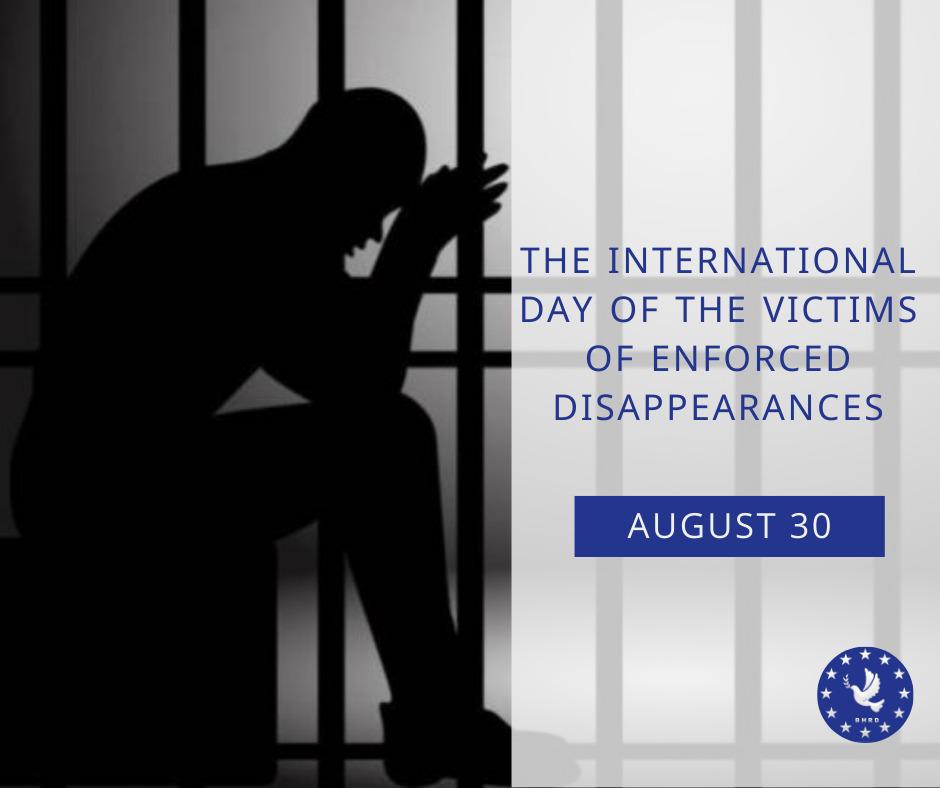
Every year on August 30th, the world observes the International Day of the Victims of Enforced Disappearances, a day dedicated to remembering those who have been secretly abducted or imprisoned, often by state agents, and whose fates remain unknown. This day, established by the United Nations, serves as a powerful reminder of the thousands of individuals who have vanished without a trace, leaving their families in a state of perpetual anguish.

Enforced Disappearances: A Grave Human Rights Violation

Enforced disappearances are not just acts of kidnapping; they represent a severe violation of multiple human rights, including the right to security, freedom from torture, and even the right to life. These disappearances are often used as tools of political repression, silencing dissent and instilling fear within communities. Governments or their agents, who perpetrate these acts, typically deny the detention of the victims or refuse to disclose their whereabouts, effectively placing them outside the protection of the law.

The Human Cost

For the families of the disappeared, the pain is immeasurable. They are left in a state of limbo, unable to mourn, uncertain whether their loved ones are alive or dead. This uncertainty can lead to prolonged psychological suffering, exacerbated by the lack of closure or justice. Moreover, enforced disappearances often leave families economically destitute, particularly when the disappeared person was the primary breadwinner.

A Global Issue

While enforced disappearances are often associated with dictatorial regimes, they are a global issue affecting numerous countries, including those in conflict zones or under authoritarian rule. The international community has recognized the severity of this crime, leading to the adoption of instruments such as the International Convention for the Protection of All Persons from Enforced Disappearance, which aims to prevent such violations and ensure justice for victims.

Brussels for Human Rights: Standing in Solidarity

At Brussels for Human Rights, we stand with the victims of enforced disappearances and their families, offering our unwavering support and solidarity. We call on governments around the world to fully implement international conventions, ensure accountability, and provide reparations to the victims and their families. On this International Day of the Victims of Enforced Disappearances, we urge the global community to unite in the fight against this heinous practice and to work tirelessly towards a world where no one has to live in fear of being disappeared.

Join Us in the Fight for Justice

We invite you to join us in raising awareness about enforced disappearances and advocating for stronger protections against this crime. Together, we can ensure that the voices of the disappeared are heard and that their families receive the justice they deserve.

Air New Zealand scraps 2030 carbon emissions target

Flag carrier cites lack of newer fuel-efficient aircraft and alternative jet fuels as reasons for not meeting the target.

Published On: 30 July 2024

Source: Al Jazeera and news agencies

Air New Zealand has abandoned its 2030 carbon emissions targets, citing the unavailability of newer fuel-efficient aircraft and alternative jet fuels.

Air New Zealand Chief Executive Greg Foran announced on Tuesday that potential delays in the airline’s fleet renewal plan posed “an additional risk to the target’s achievability.”

“The airline may need to retain its existing fleet longer than planned due to global manufacturing and supply chain issues that could potentially slow the introduction of newer, more fuel-efficient aircraft into the fleet,” Foran said in a statement. “Given so many levers needed to meet the target are outside our control, the decision has been made to retract the 2030 target and withdraw from the SBTi network immediately.”

The airline will also withdraw from the Science Based Targets Initiative (SBTi), which assists companies in reducing emissions in line with the Paris Agreement.

New Zealand’s flagship airline is considering a new near-term carbon emissions reduction target that would better reflect the industry’s challenges related to aircraft and alternative jet fuel availability.

Air New Zealand Chair Therese Walsh reaffirmed the airline’s commitment to achieving net zero carbon emissions by 2050.

“Our work to transition away from fossil fuels continues, as does our advocacy for the global and domestic regulatory and policy settings that will help facilitate Air New Zealand, and the wider aviation system in New Zealand, to do its part to mitigate climate change risks,” Walsh said.

Air New Zealand initially aimed to reduce overall carbon emissions by 16.3 percent by 2030, compared to a 2019 baseline.

The announcement comes as airlines face longer routes due to the conflicts in Gaza and Ukraine, increasing their demand for emissions-generating fuel.

Read the original Artical

Refugees, Migrants Face Violence, Abuse, and Death on Routes Across Africa

New Data Highlights Severe Risks for Refugees and Migrants

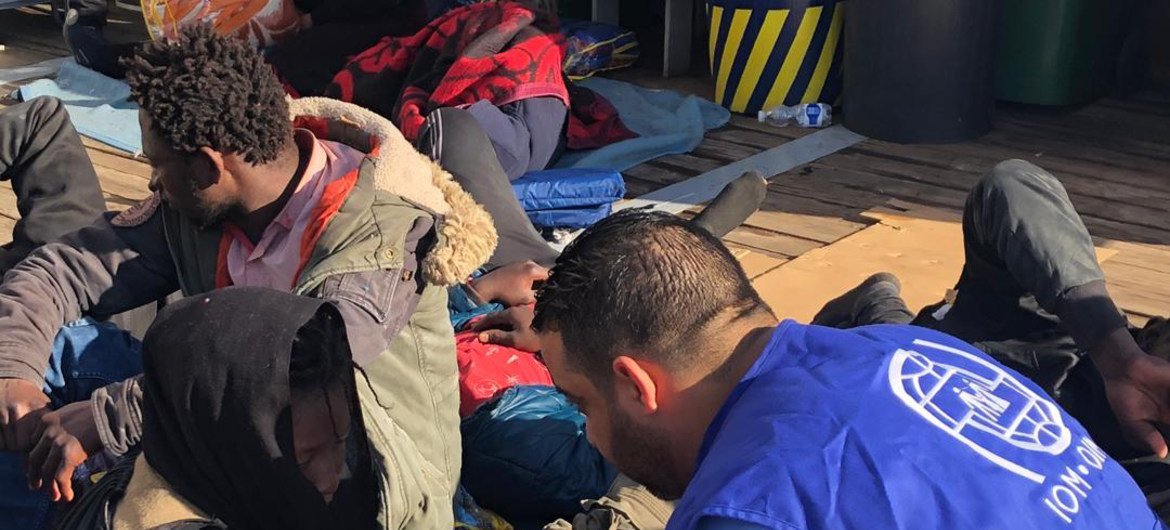
Refugees and migrants continue to face extreme violence, exploitation, and death as they traverse Africa, according to a new report by UNHCR, IOM, and MMC. The report emphasizes the severe dangers on land routes, especially across the Sahara desert, where deaths are estimated to be double those in the Mediterranean Sea.

Abuse and Human Rights Violations

Vincent Cochetel, UNHCR Special Envoy for the Western and Central Mediterranean, highlighted that migrants and refugees, regardless of their status, face serious human rights violations, including torture, physical violence, arbitrary detention, and sexual exploitation. Criminal groups and state officials are often responsible for these abuses.

Push Factors and Insufficient Protection

Push factors include political conflicts, climate change, and racism. Many refugees and migrants lack access to protection and assistance, driving them to take more perilous routes. Despite international commitments, efforts to hold perpetrators accountable are insufficient, leading to near-complete impunity.

Stepping Up Life-Saving Measures

While UNHCR, IOM, and partners have intensified life-saving protection services, they stress that humanitarian action alone is not enough. They call for legal and regular migration channels to enhance migration governance and address the urgent needs of refugees and migrants.

For more details, visit the original article.

400 Million Under-Fives Regularly Experience Violent Discipline at Home

under-fives regularly experience violent discipline at home

On 11 June 2024, UNICEF released alarming data revealing that six in ten children under five face psychological aggression or physical punishment at home. Nearly 400 million young children are affected, with 330 million experiencing physical punishment. UNICEF Executive Director Catherine Russell highlighted the detrimental impact of such abuse on children’s development.

The data, released on the first International Day of Play (IDOP), underscores the lack of play, stimulation, and interaction that many children face. UNICEF calls for stronger legal protections, increased investment in parenting programs, and enhanced play spaces to support child development.

Despite growing prohibitions against physical punishment, about half a billion under-fives lack adequate legal protection. Harmful social norms continue to perpetuate violent discipline, with one in four caregivers believing physical punishment is necessary. Additionally, four in ten children aged two to four do not receive sufficient stimulation at home, leading to emotional neglect and potential long-term issues.

The IDOP highlights the vital role of play in cognitive, social, emotional, and physical development. It also addresses barriers to play, such as disabilities, gender discrimination, conflict, and learning poverty. UNICEF urges governments to strengthen legal and policy frameworks, expand parenting programs, and increase access to play spaces.

“On the first International Day of Play, we must unite to end violence against children and promote positive, nurturing caregiving,” said Russell.

For more details, visit the original article.

Syria: Security Council Highlights Escalating Crisis and Civilian Suffering

Najat Rochdi, UN Deputy Special Envoy for Syria, addressed the Security Council, highlighting the dire need for political solutions to resolve Syria’s escalating crisis. Rochdi described the security situation as violent and tense, with civilians living in fear due to recent airstrikes and increased ISIL attacks. Women activists face growing threats, and violence against women and girls is on the rise. She stressed that implementing resolution 2254 is crucial for sustainable solutions.

The humanitarian situation is deteriorating sharply, with millions needing unrestricted aid access. Over 174,000 Syrians were displaced last year, adding to the 7.2 million internally displaced and 6.4 million refugees. Rochdi called for intensified efforts to ensure safe and voluntary refugee returns.

Ramesh Rajasingham, Coordination Director of OCHA, reported that over half of Syria’s population faces acute food insecurity, with severe malnutrition affecting children. The UN humanitarian appeal is severely underfunded, risking further suffering. Despite these challenges, the UN and its partners have provided aid to 2.7 million people monthly, but more resources are needed to continue critical assistance.

For more details, visit the original article.

Feedback by Brussels for Human Rights and Development on the Draft Initiative – Aggregated Emissions Data Reporting for Shipping Companies

As “Brussels for Human Rights and Development,” we appreciate the European Commission’s efforts to tackle greenhouse gas emissions from the shipping sector. The draft initiative concerning the reporting of aggregated emissions data at the company level and the determination of emissions data by relevant administering authorities is a promising step toward transparency, accountability, and emissions reduction in this crucial industry. In our role as advocates for human rights, environmental sustainability, and climate action, we’d like to offer detailed feedback to strengthen and improve this initiative:

1. Clarity and Specificity:

We believe that the draft initiative could benefit from greater clarity and specificity regarding the data elements that shipping companies should report. Well-defined guidelines are essential to ensure that reporting is consistent across the industry, leading to more accurate emissions assessments and supporting the transition to a greener maritime sector.

2. Alignment with International Standards:

Considering the global reach of the shipping industry, it’s essential that the proposed rules align with international standards and agreements. We recommend close collaboration with international bodies, such as the International Maritime Organization (IMO), to ensure that EU regulations complement and reinforce global efforts to combat emissions from shipping. This alignment will prevent duplication of efforts and promote a unified approach to emissions reporting.

3. Data Accuracy and Verification:

We believe that the initiative should place a strong emphasis on data accuracy and verification mechanisms. It’s crucial to establish robust procedures for verifying emissions data to ensure that the reported information is credible and reliable. The inclusion of provisions for third-party verification could significantly enhance the trustworthiness of the data.

4. Flexibility and Adaptability:

Recognizing the diverse nature of the shipping industry and the different operational profiles of shipping companies, we suggest allowing flexibility in reporting requirements. Tailoring reporting criteria to accommodate various vessel types, sizes, and operations is essential to ensure that compliance remains feasible and effective across the sector.

5. Correction of Emissions Data:

While it’s important for administering authorities to have the capacity to correct emissions data in specific situations, we urge the establishment of clear and transparent guidelines. It’s paramount to have mechanisms for oversight and accountability in place to prevent any misuse of this authority. Additionally, a robust mechanism for appeals and dispute resolution should be introduced to ensure fairness and protect stakeholders’ rights.

6. Data Privacy and Confidentiality:

Emissions data may contain sensitive business information, trade secrets, and commercially confidential data. To address these concerns, the initiative must find a balance between transparency and the protection of sensitive information. We recommend implementing safeguards and encryption measures to secure commercially sensitive data.

7. Public Access to Data:

While preserving data privacy and confidentiality, we believe the initiative should ensure public access to aggregated emissions data. Providing relevant emissions data to the public can play a crucial role in raising awareness and accountability within the shipping industry. However, safeguards should be in place to prevent the misuse of data for competitive or harmful purposes.

8. Capacity Building and Support:

To ensure effective implementation, we recommend including provisions for capacity building and support for both shipping companies and administering authorities. Technical assistance, guidance, and training should be made available to enhance understanding and compliance with the regulations.

the draft initiative for reporting aggregated emissions data for shipping companies is a commendable step toward mitigating the environmental impact of the maritime sector and aligning with climate action goals. By addressing the feedback provided, we believe that the initiative can be further refined to strike the right balance between specificity, harmonization, flexibility, accountability, and data protection. This balanced approach will be instrumental in achieving the overarching objectives of emissions reduction and climate action, while respecting the rights and interests of all stakeholders involved. We stand ready to collaborate and engage in the finalization of this significant initiative and its subsequent implementation for a more sustainable and environmentally responsible shipping industry.

Feedback on the European Commission website
Protecting the Environment and Human Health: Restricting PFHxS under the Stockholm Convention

perfluorohexane-sulfonic-acid-PFHxS

Feedback by Brussels for Human Rights and Development to the European commission regarding an initiative to include perfluorohexane sulfonic acid (PFHxS), its salts, and related compounds under the restrictions of the Stockholm Convention on persistent organic pollutants.

Brussels for Human Rights and Development Applauds European Commission’s Initiative In a significant move towards safeguarding the environment and protecting human health, the European Commission has taken an important step by including perfluorohexane sulfonic acid (PFHxS), its salts, and related compounds under the restrictions of the Stockholm Convention on persistent organic pollutants. Brussels for Human Rights and Development welcomes this initiative and recognizes the critical role it plays in addressing the harmful effects of these toxic substances.

Understanding PFHxS and Its Impacts:

PFHxS is a persistent organic pollutant with widespread use in various industrial and consumer products, such as non-stick cookware, water-repellent clothing, and fire-fighting foams. Unfortunately, its presence poses a significant threat to wildlife and human health due to its bioaccumulation in the environment, leading to endocrine disruption and reproductive toxicity.

The Importance of Stockholm Convention Inclusion:

By including PFHxS under the restrictions of the Stockholm Convention, the regulation (EU) 2019/1021 will introduce vital limitations on the production, use, and release of this hazardous substance. This step is crucial in reducing PFHxS’s overall presence in the environment and preventing further harm to wildlife and human health.

Ensuring Effective Implementation and Enforcement:

While applauding this regulation, we raise concerns regarding its implementation at the national level. The success of this initiative heavily relies on the effectiveness of its enforcement and monitoring by member states. To ensure the desired outcomes, it is essential that adequate resources and capacities are provided for monitoring and enforcing the restrictions imposed on PFHxS and its related compounds.

Promoting Safer Alternatives:

In addition to effective implementation, it is crucial to consider alternative, safer, and more sustainable options to PFHxS in the production of industrial and consumer goods. The phase-out of PFHxS should be accompanied by the promotion and development of alternative technologies and materials that are safe for both the environment and human health.

Supporting the Regulation’s Implementation:

Brussels for Human Rights and Development fully supports the regulation’s inclusion of PFHxS under the restrictions of the Stockholm Convention. We strongly hope that this initiative will be effectively implemented and enforced, leading to a reduction in PFHxS’s presence in the environment. Furthermore, we emphasize the need to prioritize the development of alternative, safer, and more sustainable options to replace PFHxS in the future.

in conclusion, The inclusion of PFHxS under the Stockholm Convention restrictions marks a crucial milestone in the protection of the environment and human health. While Brussels for Human Rights and Development welcomes this initiative, we stress the importance of effective implementation and enforcement at the national level. Additionally, we urge the exploration and adoption of safer alternatives to PFHxS, ensuring a sustainable and healthier future for both the planet and its inhabitants.

Feedback on the european commission website:
https://ec.europa.eu/info/law/better-regulation/have-your-say/initiatives/13425-Persistent-organic-pollutants-perfluorohexane-sulfonic-acid-PFHxS-/F3383023_en

Rapport Sur l’activité de « BRUSSELS for HUMAN RIGHTS AND DEVELOPMENT BHRD AISBL»

• Travailler à la réalisation des objectifs de développement durable, à l’éradication de la pauvreté, à la protection de la planète et à la paix et à la prospérité pour tous. •Promouvoir et diffuser une culture des droits humains politiques, civils, économiques, sociaux et culturels. •Promouvoir le principe d’égalité et de non-discrimination sur la base de la race, de la religion, de la couleur ou des croyances intellectuelles. •Sensibiliser et protéger les jeunes contre l’extrémisme et le terrorisme. •la formation et la réadaptation, afin d’accroître l’efficacité (professionnelle et technique) des travailleurs dans le domaine des droits de la personne. • Collaborer avec divers mécanismes internationaux et régionaux, comme la Commission africaine des droits de l’homme et des peuples – Nations Unies et le Conseil des droits de l’homme – Commission européenne des droits de l’homme 

bhr-2-1.pdf-1