 العربية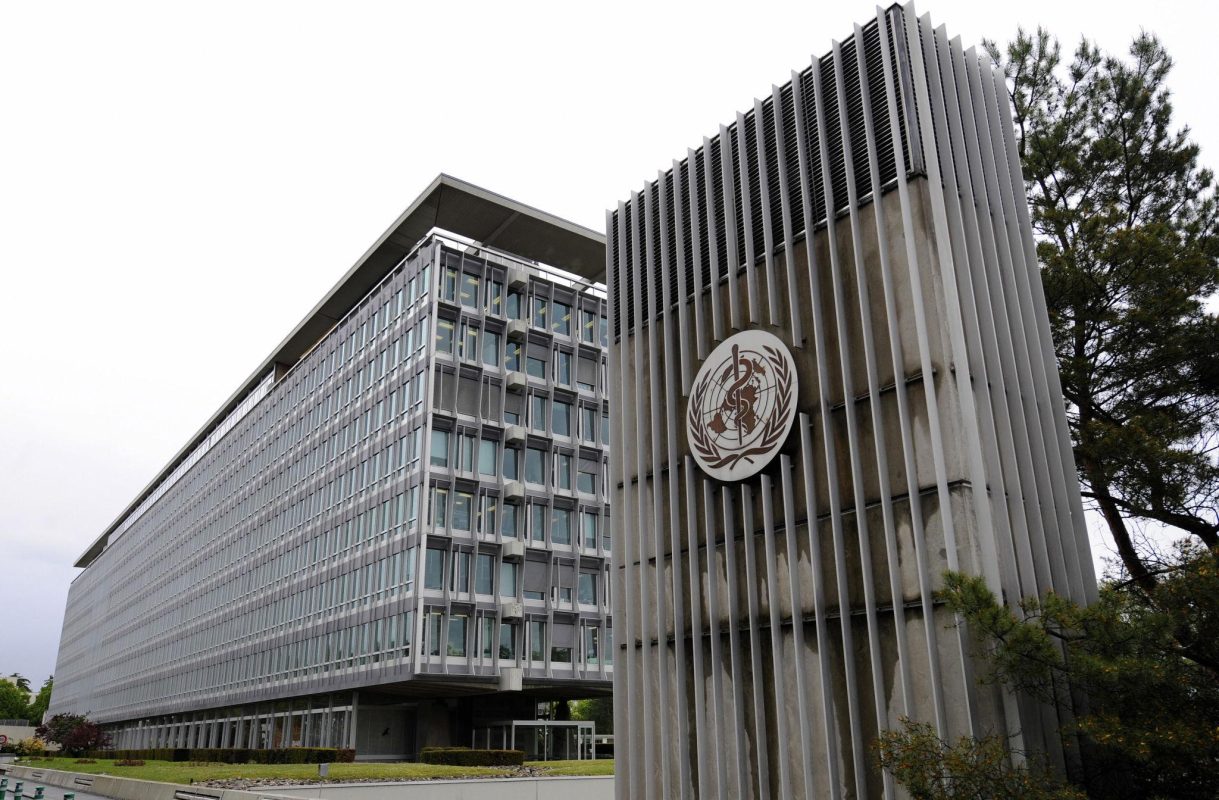
The World Health Organization (WHO) has issued a detailed public response expressing deep regret over the United States’ decision to withdraw from the UN health agency, warning that the move will leave both the US and the global community less safe.
In a statement released on Saturday, WHO directly addressed and rejected claims made by the US administration that the agency had compromised its independence, acted politically, or disrespected US sovereignty.
The agency said the allegations are factually incorrect, stressing that it has always engaged with the United States “in good faith, with full respect for its sovereignty.”
WHO strongly denied claims that it pursued a politicised agenda driven by countries hostile to US interests, reaffirming that it is impartial, science-based, and committed to serving all Member States without fear or favour.
Defending WHO’s COVID-19 response
A significant portion of the statement responds to accusations that WHO mishandled the COVID-19 pandemic or obstructed the timely sharing of information.
WHO countered that it:
- Acted rapidly and transparently
- Shared all verified information as soon as it became available
- Issued guidance based on the best available scientific evidence
The agency clarified that while it recommended masks, vaccines, and physical distancing, it never mandated lockdowns, vaccines, or mask requirements, as such decisions fall under national authority.
Timeline of early pandemic actions
WHO detailed its early response to COVID-19:
- 31 December 2019: After reports of “pneumonia of unknown cause” in Wuhan, China, WHO requested information from Chinese authorities and activated its emergency incident management system.
- 11 January 2020: By the time China reported the first death, WHO had already alerted the world through formal channels, public briefings, and social media, convened global experts, and issued technical guidance to countries.
- 30 January 2020: WHO declared COVID-19 a Public Health Emergency of International Concern (PHEIC)—the highest level of global health alarm—when there were fewer than 100 cases outside China and no reported deaths.
During the early months of the crisis, the WHO Director-General repeatedly warned countries that “the window of opportunity is closing,” calling COVID-19 “public enemy number one.”
Learning and reform
WHO acknowledged that the pandemic prompted multiple independent reviews of the global response, including the agency’s own performance. In response, WHO said it has:
- Strengthened internal systems
- Supported countries to improve pandemic preparedness
- Enhanced surveillance, data-sharing, and emergency coordination mechanisms
The agency stressed that these systems have contributed to global safety before, during, and after the pandemic—including for the United States.
Door remains open for US return
Despite the withdrawal notice, WHO said it remains committed to cooperation and hopes the United States will re-engage in the future.
The agency highlighted the recent adoption of the WHO Pandemic Agreement, calling it a landmark international legal instrument designed to strengthen prevention, preparedness, and response to future global health threats.
As a founding member of WHO, the United States has played a central role in some of the organisation’s greatest achievements, including:
- The eradication of smallpox
- Progress against polio, HIV, Ebola, influenza, tuberculosis, malaria
- Efforts to combat antimicrobial resistance, food safety threats, and neglected tropical diseases
WHO’s closing message
The statement concluded with a reaffirmation of WHO’s core mission:
“WHO remains steadfastly committed to working with all countries to advance the highest attainable standard of health as a fundamental right for all people.”