
 العربية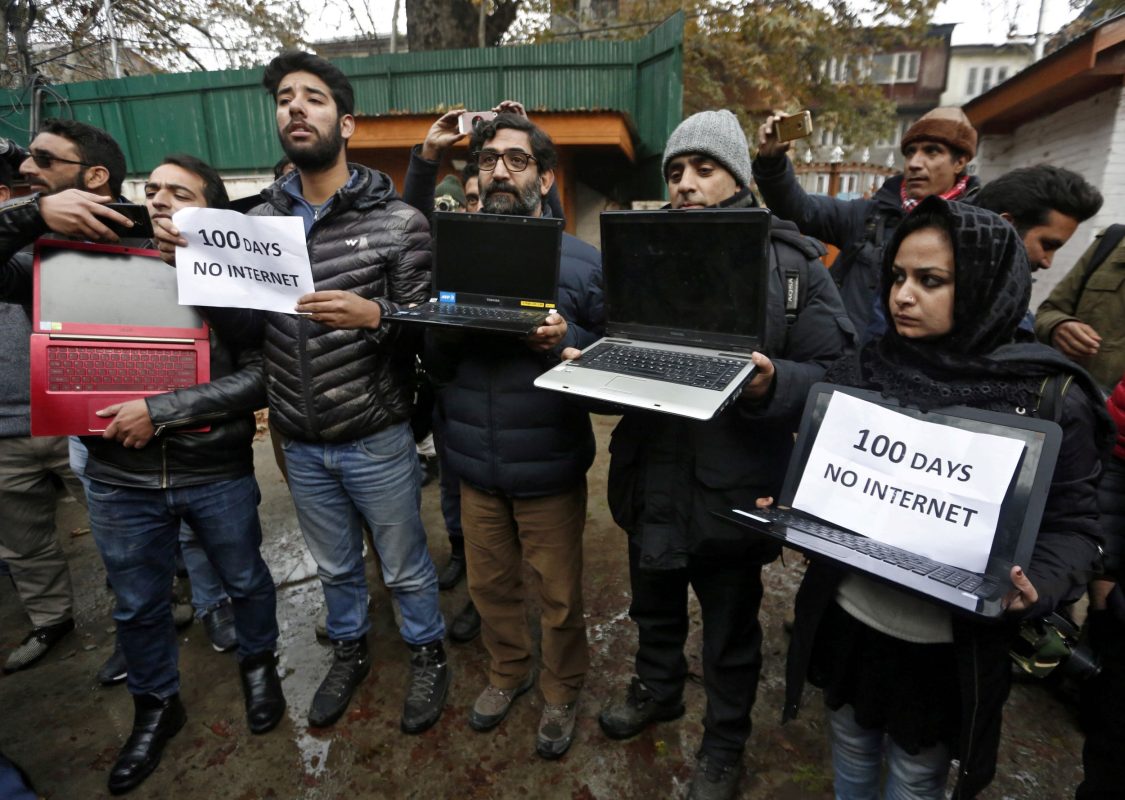
The United Nations is raising alarm over a sharp increase in government-imposed internet shutdowns, warning that digital blackouts are becoming a widespread tool that undermines freedom of expression, access to information, and basic human rights.
According to the United Nations Educational, Scientific and Cultural Organization (UNESCO), at least 300 state-sponsored internet shutdowns were recorded across more than 54 countries over the past two years.
In a statement released this week, UNESCO said governments are increasingly cutting internet access during protests, elections, and periods of political crisis, despite the essential role connectivity plays in democratic participation and daily life.
A record-breaking trend
UNESCO cited data from civil-society watchdog Access Now, which found that 2024 was the worst year on record for internet shutdowns since monitoring began in 2016.
The agency warned that the trend has continued into 2026, with blanket shutdowns already imposed in several countries facing major demonstrations or electoral processes.
“Access to information is an integral part of the universal right to freedom of expression,” UNESCO said, emphasizing that internet connectivity also underpins rights to education, assembly, association, and participation in public life.
Rather than restricting access, UNESCO urged governments to adopt policies that expand connectivity and protect digital civic space.
Fuel for misinformation
UN experts warn that shutdowns often worsen the very crises they claim to address.
When journalists, public authorities, and humanitarian actors are cut off from digital communication:
- Verified information becomes scarce
- Rumours and disinformation spread more easily
- Public trust erodes
Digital blackouts, UNESCO noted, create information vacuums that are quickly filled by unverified or misleading content.
Shutdowns during protests and elections
Recent months have seen a surge in high-profile shutdowns and platform bans:
- Iran: In January 2026, authorities imposed a near-total nationwide blackout during renewed protests, with internet traffic dropping to minimal levels and severe disruption to businesses, media, and civil society.
- Afghanistan: The Taliban ordered a nationwide shutdown between September and October 2025, further restricting humanitarian aid, journalism, and access to education—particularly for women and girls.
- Nepal: Authorities suspended access to 26 social media and messaging platforms in September 2025 amid political unrest.
- Sri Lanka: A 2024 law granting sweeping powers to restrict online content has raised concerns about shrinking digital civic space.
- Cameroon and Tanzania: Election-related internet disruptions were reported around national polls in October 2025, drawing criticism over broader crackdowns on civil freedoms.
Severe human-rights consequences
The warnings echo findings from a 2022 report by the Office of the United Nations High Commissioner for Human Rights (OHCHR), which examined the global impact of internet shutdowns.
The report documented how shutdowns can:
- Prevent hospitals from contacting doctors in emergencies
- Deprive voters of information about candidates
- Cut small businesses off from customers and income
- Leave protesters unable to call for help during violent crackdowns
OHCHR concluded that internet shutdowns rarely meet international human-rights standards, particularly the principles of legality, necessity, and proportionality.
Because of their indiscriminate nature, shutdowns often affect millions of people unrelated to the stated security concern, deepening digital divides and undermining social and economic development.
A growing global challenge
As governments increasingly turn to digital blackouts as a control mechanism, UN agencies warn that the world risks normalizing a practice that weakens democracy, restricts rights, and harms the most vulnerable.
UNESCO and human-rights experts continue to call for:
- Stronger international norms against shutdowns
- Judicial oversight and transparency
- Recognition of internet access as a cornerstone of modern human rights